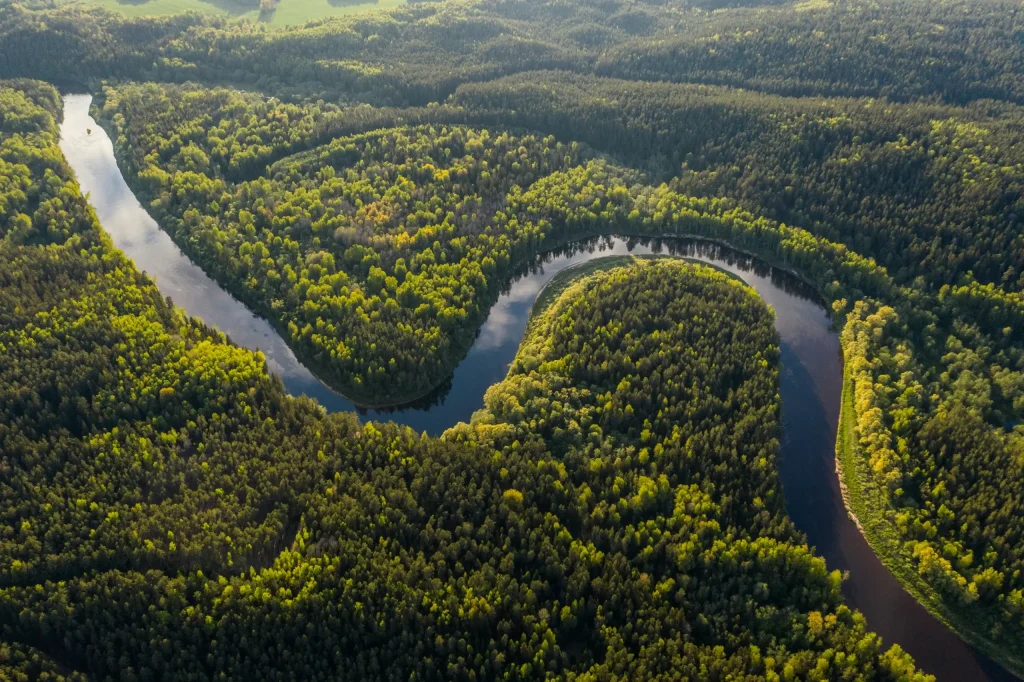
Venturing into the Amazon rainforest is embarking on a journey into one of Earth’s most magnificent wildernesses, sprawling over 5.5 million square kilometers and rich with an astonishing diversity of life. This immense tropical expanse, crossing nine South American countries, is a sanctuary for millions of species — from vibrant toucans perched high in the canopy to the elusive jaguars prowling the undergrowth. Understanding the opportunities and challenges of this unique environment empowers every adventurer to connect authentically with nature’s marvels. With practical insights on timing, access, accommodations, and responsible travel, this guide lights the path for those ready to embrace an unforgettable expedition into the heart of the Amazon.
In brief: The Amazon offers year-round exploration with distinct wet and dry seasons influencing wildlife activity and accessibility. Key gateways in Brazil, Peru, and Ecuador provide various entry points, each rich with culture and ecosystems. Staying in eco-lodges enhances immersion, while guided river cruises and canopy walks reveal nature’s grand spectacle. Packing smart with gear from trusted brands like Columbia Sportswear and LifeStraw ensures comfort and safety, and choosing responsible travel practices safeguards this fragile wonder for generations ahead.
Best seasons and wildlife encounters for exploring the Amazon rainforest
The Amazon’s vastness offers dynamic experiences throughout the year. During the wet season, from January to June, the rainforest transforms with lush greenery and swollen rivers, perfect for boat tours that venture into deeper jungle regions. Temperatures moderate between 23 and 30ºC, but daily showers contribute to heightened humidity and more mosquitoes. This season brings out vibrant aquatic life such as pink river dolphins and exotic fish, making waterways alive with activity.
Conversely, the dry season between July and December significantly lowers river levels, exposing more land trails ideal for trekking and wildlife spotting. With temperatures rising as high as 40ºC, daytime exploration demands preparation, but the advantage lies in heightened visibility of land mammals like caimans basking on the riverbanks and the elusive jaguar. For wildlife enthusiasts, this period maximizes chances to witness terrestrial animals and the vibrant plumage of macaws and toucans lining the canopy.

Essential gear and preparation inspired by National Geographic standards
Equip yourself with reliable gear designed for the Amazon’s challenges. Lightweight, moisture-wicking clothing from Columbia Sportswear or Patagonia offers durable comfort amid humidity. Footwear like sturdy hiking boots and waterproof sandals from The North Face or Osprey protect your feet while navigating muddy paths and riverbanks. To capture your adventure in crisp detail, take along a GoPro, mounted to document river cruises or canopy walks.
Protection against insects is critical; LifeStraw’s mosquito spray paired with a broad-spectrum sunscreen guards you against bites and intense tropical sun. For night jungle walks, a dependable headlamp ensures safety and wildlife observation capabilities. A multipurpose Leatherman tool is invaluable for any unexpected needs. Lastly, bringing an Osprey backpack tailored for tropical exploration streamlines carrying essentials, promoting mobility and readiness for every surprise the jungle holds.
Access points and travel routes to the Amazon rainforest
The Amazon’s sprawling terrain crosses multiple borders but primary access hubs in Brazil, Peru, and Ecuador offer well-developed routes catering to various budget and adventure preferences. Manaus in Brazil acts as the main gateway, providing numerous river tours and jungle lodges with rich cultural immersion including the famed Meeting of the Waters. In Peru, arrivals usually route through Iquitos or Puerto Maldonado, launching from there into more remote jungle lodges or luxury river cruises. Ecuador’s Amazon access at Tena offers budget-friendly expeditions with rich biodiversity, reachable via scenic bus rides from Quito.
For a seamless journey, many travelers opt for guided group tours, which alleviate logistical challenges and enhance cultural understanding. Whether traveling by motorboat, small plane, or river ferry, planning your itinerary with reputable operators who emphasize responsible exploration ensures both safety and a meaningful connection with the rainforest’s ecology. For more detailed backpacker guidance through South America’s diverse Amazonian corridors, resources specializing in immersive travel offer invaluable insights.
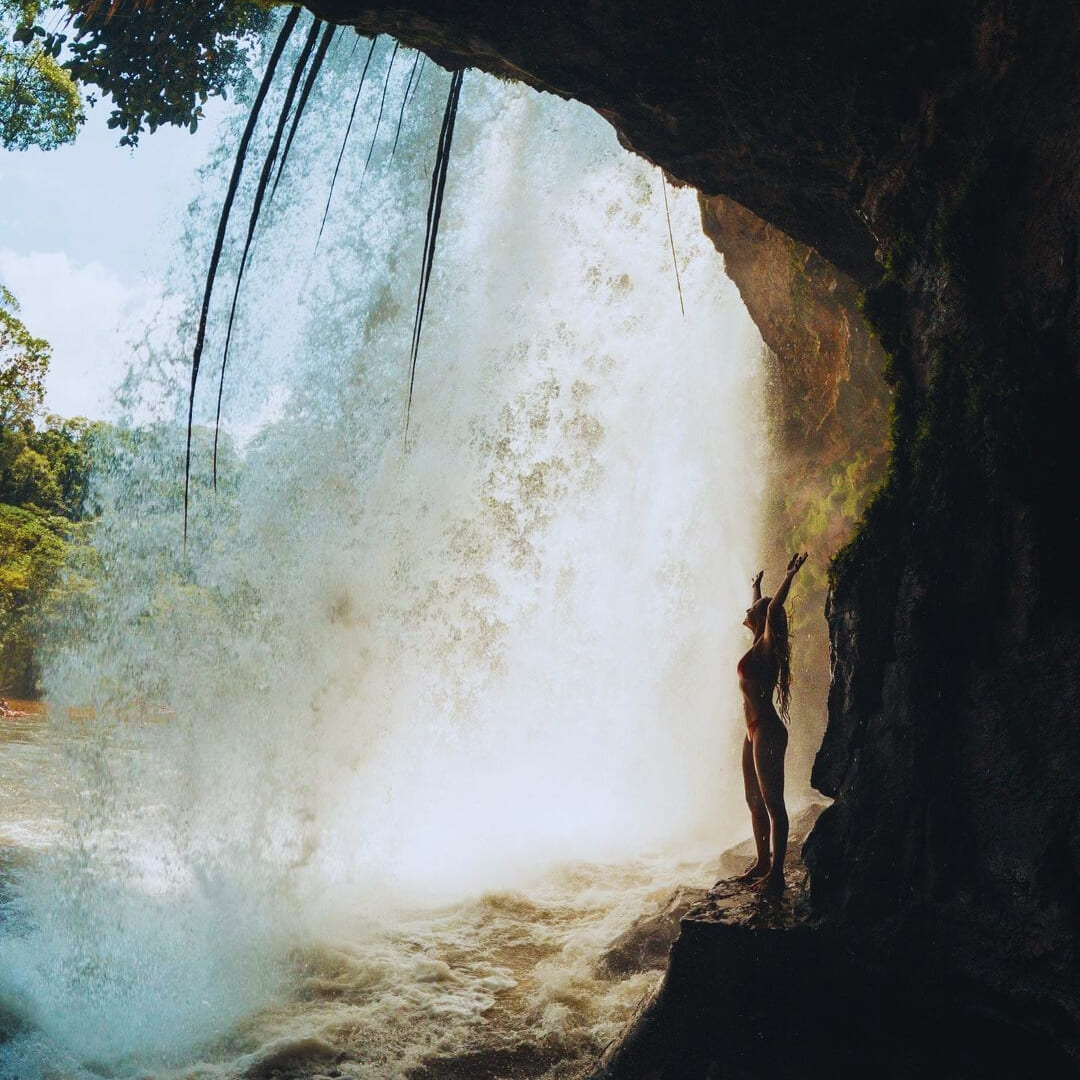
Making your stay comfortable and eco-conscious in Amazon lodges
Accommodations in the Amazon typically blend seamlessly with the environment, ranging from rustic eco-lodges to more upscale jungle retreats. Staying in these facilities allows for both minimalist immersion and modern comforts, often including mosquito nets, fans, and private bathrooms. Lodges managed with sustainable practices invest in local communities, embodying the principles of eco-tourism vital in protecting this precious biome.
The package of activities includes guided hikes, river cruises, canoeing expeditions, and canopy bridge walks that elevate you into the treetops to glimpse 70% of wildlife thriving in the upper layers of the forest. These experiences not only showcase the rainforest’s biodiversity but also highlight the importance of preserving it, aligning with the ethos advocated by environmental leaders and organizations worldwide.
Venture prepared and opt for high-quality gear like those endorsed by The North Face or Patagonia to stay comfortable throughout your stay. Engage with local guides who share invaluable knowledge of flora, fauna, and indigenous cultures, ensuring every moment resonates with the spirit of authentic adventure and stewardship.