

Traveling the world offers moments of wonder and discovery, but no journey is immune to unforeseen challenges. From lost passports in the bustling ports of Croatia to unexpected cyclones in the Maldives, travel emergencies can quickly upend carefully laid plans. Understanding how to face these crises with calm and preparedness transforms potential chaos into manageable incidents, allowing you to reclaim your adventure without losing momentum. Whether it’s navigating healthcare systems abroad, handling delayed flights, or safeguarding your belongings, empower yourself with key strategies that seasoned travelers have learned through real experience. Mastering these skills ensures that when the unexpected strikes, your journey continues with confidence and resilience.
In brief:
- Maintain composure and assess situations carefully to make effective decisions.
- Secure important documents by keeping digital and physical copies in separate locations.
- Be proactive by preparing an emergency travel kit tailored to your adventure’s needs.
- Utilize resources such as travel insurance and embassy contacts to expedite assistance.
- Understand local protocols for medical help, legal issues, and natural disasters.
Crucial Steps to Take When Your Passport or Wallet is Stolen Abroad
Imagine navigating a crowded harbor with multiple suitcases only to realize your passport and wallet have vanished. Such situations, while daunting, are surmountable with the right approach. The first priority is to file a police report, which serves as an official record necessary for replacing documents or making insurance claims. Next, contacting the nearest embassy or consulate is vital for obtaining emergency travel papers, understanding visa requirements, and ensuring safe continuation of your travels. One traveler’s experience in Croatia involved an overnight bus ride to the capital to promptly file for a temporary passport, illustrating the importance of readiness and flexibility.
Preventing such losses involves vigilance: keep your passport secure and mostly stored in hotel safes, carry only what you need for the day in zip-locked bags, and keep identification documents in separate locations. Preparation begins before departure by photographing essential documents and storing these images both digitally and in print. This layered strategy drastically reduces the hassle and duration of recovery should theft or loss occur. For those seeking additional tips specific to protecting their belongings efficiently, guides like packing essentials for solo travelers offer valuable advice tailored to different travel styles.

Safeguarding Your Finances Against Theft or Fraud While Traveling
Theft or unauthorized transactions on your bank and credit cards can interrupt your financial security in an instant. Immediate action is paramount: contact your bank to freeze accounts and utilize international emergency services provided by many card issuers, which can even send replacement cards or emergency funds swiftly. Splitting cash and cards in various secure places, employing RFID-blocking wallets, and notifying your bank of foreign travel plans beforehand helps reduce the risk of fraud alerts and locking out your access. Moreover, setting up digital wallets like Apple Pay or Google Wallet ensures alternative payment sources when physical cards fail.
Travelers aiming to deepen their preparedness can find detailed guidance in resources such as this packing tips for long-term travelers, which incorporate strategies for secure financial management over extended journeys. Whether embarking on a brief trip or a prolonged expedition, staying ahead of potential banking issues safeguards peace of mind and travel continuity.
Handling Vehicle Troubles and Transport Delays on Foreign Roads
Being stranded on a remote highway late at night due to vehicle failure demands composure and foresight. The immediate response is to contact your rental company’s emergency assistance to request roadside help or a replacement vehicle. Prior inspection of rental cars, discussing specifics with rental agents, and choosing vehicles appropriate for your terrain—preferably automatic in unfamiliar driving conditions—can preempt many nightmares on the road. Carrying international SIM-enabled phones or offline GPS maps enhances your ability to navigate or seek help even when cellular coverage is unstable.
Booking from providers who offer 24/7 support and understanding the scope of roadside assistance included in your rental agreement prevents surprises. Travelers curious about the broader context of transport preparedness can explore comprehensive backpacking guides for South America that include detailed travel logistics, ensuring safer and more reliable journeys across diverse landscapes.
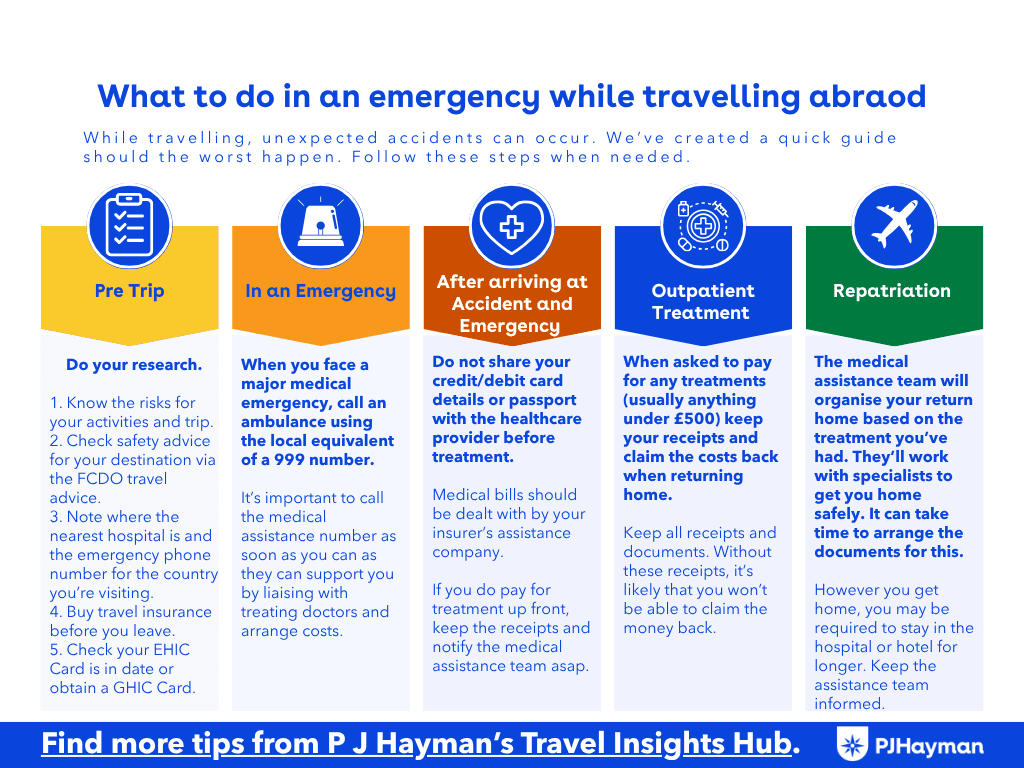
Navigating Medical Emergencies with Confidence Overseas
Sudden illness can swiftly disrupt your travel but accessing timely and appropriate medical care is the cornerstone of swift recovery. Locating the nearest hospital or clinic and understanding the local emergency numbers—be it 112, 911, or country-specific alternatives—is essential. Travel health insurance providers such as Travel Guard, Allianz Travel Insurance, and Global Rescue offer multilingual support lines and management services that assist in coordinating care or medical evacuation if necessary.
Alongside having a personalized medical kit stocked with necessities like pain relief and antihistamines, informing yourself of local health risks and preventative measures—from food safety to appropriate hydration—can avert many emergencies. Advanced use of telehealth services included in policies from providers like World Nomads and AXA Assistance enables remote consultations when on-site visits are not possible. Being proactive about medical readiness helps maintain the joy of travel even through unexpected health challenges.
Practical Advice for Dealing with Flight Cancellation and Missed Connections
Flight disruptions can unravel entire itineraries, yet a calm and informed approach makes all the difference. After missing a flight, heading directly to the airline service desk is standard, but simultaneously calling their customer service line can significantly accelerate rebooking. Airlines often re-route passengers automatically in case of delays beyond your control, and some offer meal vouchers or accommodations in case of extended waits. Keeping detailed documentation—tickets, receipts, notifications—helps in claiming reimbursements or insurance.
Preventive measures include booking generous layover times, especially in complex airports or peak travel seasons, and leveraging airline apps for real-time updates on gate changes or delays. If you seek tips on managing travel essentials amidst delays, consider insights from solo travel packing guides that emphasize preparedness for overnight contingencies. Flexibility paired with early preparation elevates your ability to handle travel logistics smoothly.
Staying Safe and Secure During Unforeseen Local Crises
From natural disasters like cyclones to sudden security concerns, staying informed and alert is vital. Signing up for traveler enrollment programs and monitoring local news through apps ensures timely warnings and evacuation instructions. Avoiding travel during high-risk weather periods and choosing accommodations with reliable emergency protocols reduces exposure. In cases of personal security threats, moving to well-lit, populated areas and contacting local authorities swiftly is imperative. Carrying personal safety devices and using dummy wallets in high-risk areas can deter or mitigate threats.
Integrating knowledge about local scams and setting clear personal boundaries—especially in unfamiliar cultural contexts—empowers travelers to make confident, safe choices. Preparing for such scenarios includes maintaining contact with your embassy and accessible emergency contacts, thereby transforming anxiety into readiness for any situation.