
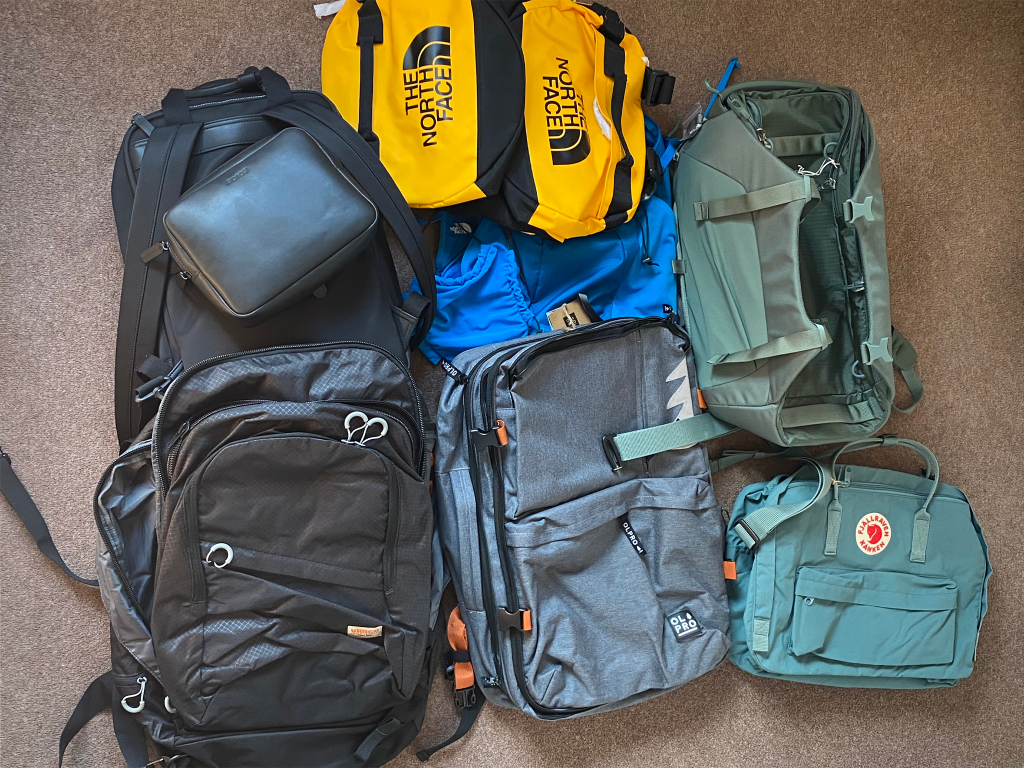
Setting off on a journey with the perfect travel backpack can transform your experience, providing freedom, comfort, and adaptability whether you’re exploring bustling cities or trekking remote trails. In 2025, choosing the right backpack is about harmonizing your travel style with a bag that supports versatility, durability, and organization. Renowned brands like Osprey, Deuter, and The North Face stand at the forefront, offering designs that blend technical innovation with urban aesthetics, allowing travelers to transition effortlessly between an adventurous hike or a bustling airport terminal.
Understanding the nuances between backpack sizes, material strength, and comfort features has never been more valuable in a world where travelers seek both functionality and style. High-quality fabrics such as CORDURA and ripstop nylon ensure endurance, while ergonomic designs featuring adjustable hip belts and ventilated back panels provide support for journeys that span hours or even days. As you navigate choices, considering factors like security enhancements and packing organization opens doors to a smooth, worry-free travel experience, making every step more enjoyable and every destination more accessible.
In brief:
- Modern travel backpacks from top brands like Gregory and Patagonia offer versatile designs suitable for both urban and outdoor adventures.
- Backpack size should align with trip length and airline carry-on restrictions, generally between 25-50 liters for varied travel needs.
- Comfort features such as padded shoulder straps, adjustable hip belts, and mesh back panels enhance wearability during long treks.
- Durable materials like ballistic nylon and TPU coatings provide water resistance and abrasion protection, essential for any trip.
- Security and organization elements including lockable zippers and multiple compartments streamline access and protect valuables.
Aligning Backpack Capacity with Your Travel Style
Choosing the right size backpack is a fundamental step in preparing for your trip. Sizes usually range from compact daypacks (15-25 liters) ideal for quick excursions, to larger 40-50 liter capacity bags suited for week-long adventures. For extensive explorations, exceeding 50 liters may be necessary, especially when venturing outdoors. Knowing your travel style and itinerary helps narrow down options effectively.
For example, if your plans include activities like those described in the adventure sports in Costa Rica, a backpack with durable materials and adequate room for gear becomes indispensable. Conversely, short urban trips might benefit from sleek, minimalist packs like those in the packing guide for solo travelers, which emphasize lightweight designs and easy access.
Evaluating Comfort for Long-Term Carrying
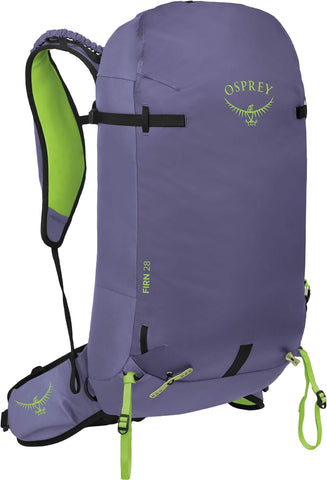
Comfort isn’t just a luxury—it’s a necessity for any traveler. Ergonomic features that adapt to your body shape and size significantly affect your endurance and leg satisfaction during travel. Backpacks from brands such as Arc’teryx and Kelty are engineered to distribute weight efficiently using load lifters and suspension systems, reducing strain on your shoulders and back.
Ventilated back panels are particularly beneficial in warmer climates or during high-activity periods, facilitating airflow to keep you cool. Additionally, adjustable hip belts transfer much of the pack’s weight to your hips, which are better equipped to handle loads, allowing your shoulders to relax. Choosing a pack with custom torso length adjustment enhances this fit further, a feature often highlighted in premium outdoor backpacks.
Material Durability and Weather Resistance: Preparing for the Unexpected
Your backpack must not only carry your belongings but also protect them from the elements and rough handling. Materials like ballistic nylon and high-denier CORDURA fabric offer significant abrasion resistance, while TPU coatings ensure water repellency crucial for sudden rain showers or humid jungles.
Brands including REI Co-op and Mountain Hardwear frequently incorporate these technologies, delivering packs that withstand trials from urban commutes to rugged mountain trails. Coupling your backpack with a dedicated rain cover adds another layer of defense, minimising moisture intrusion and gear damage.
When exploring areas as diverse as the Amazon Basin, described in the exploring Amazon rainforest guide, the toughness and moisture resistance of your backpack’s materials can make a world of difference.

Functional Design and Organizational Features for Efficient Travel
Efficiency in packing and accessing your gear is often overlooked but critically important for a smooth journey. Backpacks with panel-loading (clamshell) designs like those from Osprey offer the advantage of suitcase-style access, allowing you to find items quickly without unpacking your entire bag. Multiple compartments and internal organizers enable neat separation of clothes, accessories, and technology.
Incorporating security elements such as lockable zippers and hidden pockets deters theft while keeping essentials like passports and wallets secure. This is especially advantageous in busy transit hubs and crowded streets. Moreover, some packs integrate RFID-blocking pockets to protect against electronic theft, a growing concern in busy travel destinations.
Exploring cityscapes or natural paths requires adaptability in gear storage, best achieved through modular designs and customizable accessory attachments found in backpacks from top-tier manufacturers like Gregory and CamelBak.