
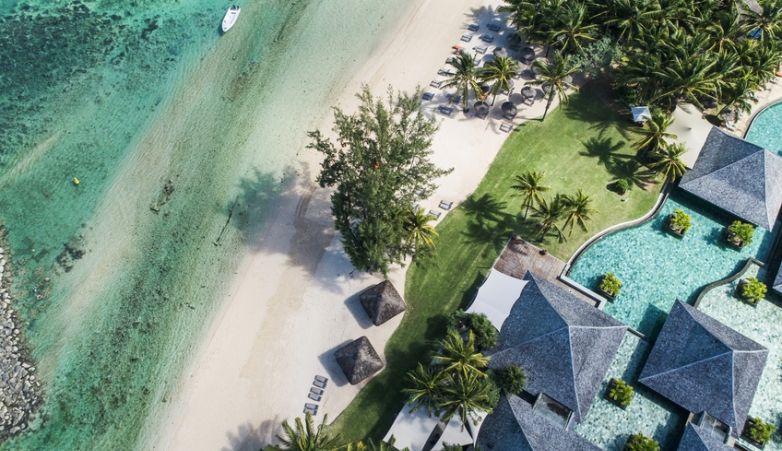
In a world increasingly conscious of sustainability, the hospitality industry is undergoing a transformative shift. From the tranquil jungles of Bali to the breathtaking fjords of Norway, eco-friendly hotels are not just a trend but a vital response to environmental stewardship. These hotels offer travelers the unique opportunity to indulge in luxury while protecting the planet, blending green innovation with immersive natural experiences. As guests seek out authentic connections with the environment, properties like Bambu Indah and The Brando exemplify this harmonious balance. Exploring such sustainable havens means embracing a form of tourism that nurtures local communities, conserves resources, and celebrates the beauty of nature in its purest form. Join us as we journey through the world’s most inspiring eco-conscious retreats, where comfort meets responsibility.
En bref:
– Eco-friendly hotels increasingly integrate renewable energy, water conservation, and waste reduction into their operations.
– Many luxury resorts like Soneva and Six Senses combine sustainability with high-end amenities and unique local experiences.
– Off-grid properties, such as Svart Hotel in Norway, showcase cutting-edge energy-positive designs.
– Local sourcing of food and materials is a common practice enhancing community support and reducing carbon footprints.
– Innovative water and waste management systems, as seen at Song Saa Private Island, set new standards in sustainable hospitality.
Innovative Approaches Defining the World’s Most Sustainable Hotels
The art of sustainable hospitality has evolved well beyond mere recycling and elimination of plastic. Today’s top eco-conscious hotels embrace comprehensive designs that thoughtfully incorporate natural materials, energy efficiency, and community empowerment. At Bambu Indah in Bali, for instance, guests awaken to the sounds of jungle waterfalls while exploring permaculture farms and living in stunning structures crafted entirely from bamboo and teak. Each element celebrates harmony with the environment, inviting travelers into a lifestyle that fosters regeneration rather than consumption.

South of Bali, The Hideout in Thailand crafts open-air treehouse suites from locally sourced wood and sustainable materials. This electricity-free resort relies on natural breezes to cool guests, reflecting a commitment to reducing energy consumption. Meanwhile, in Egypt’s desert near the Salt Lakes of Siwa, Adrère Amellal exemplifies ancient sustainable architecture with kershaf clay and sand bricks, gas lamp illumination, and organic gardens that supply all its produce. Visitors dine under starry skies, enveloped in a serene ambiance that reconnects them deeply with nature’s rhythms.
Leading the Way in Eco-Luxury and Renewable Solutions
From the energy-positive Svart Hotel perched above the Svartisen glacier in Norway to the carbon-neutral Saffire Freycinet nestled in Tasmania’s Freycinet National Park, eco-luxury resorts prove that conservation and comfort can coexist effortlessly. Svart’s innovative design reduces annual energy consumption by 85% using solar power, significantly lessening its environmental footprint. Similarly, Saffire Freycinet’s commitment to native plant restoration and sustainable Tasmanian produce elevates guests’ experiences beyond expectation, blending opulence with green responsibility.
Guests at these resorts appreciate meticulous attention to how design integrates with natural patterns, aiming to minimize climate impact while providing unique regional immersion. For example, Tierra Patagonia in Chile uses fossil-inspired architecture that maximizes solar gain and natural airflow, eliminating the need for conventional heating and cooling. Such thoughtful planning fosters resilience and showcases creative solutions to environmental challenges within the hospitality industry.
Supporting Local Communities through Responsible Tourism
Eco-conscious hotels carry an inherent responsibility towards their surrounding communities, promoting economic empowerment alongside environmental goals. El Nido Resorts in the Philippines illustrate this beautifully, sourcing local ingredients and staff while offering sustainability programs that reflect cultural values. In Cambodia, properties like Song Saa Private Island rely on reclaimed timber and local craftsmanship, employing wastewater recycling systems that treat all refuse to ensure zero discharge into fragile marine ecosystems.
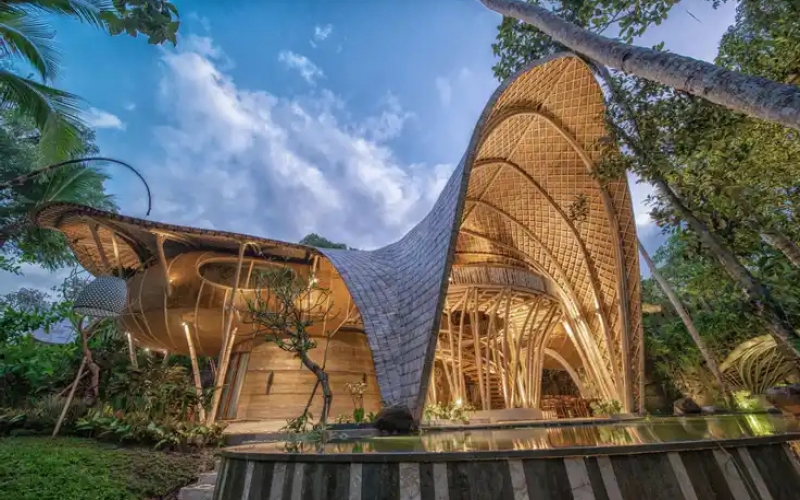
Moreover, initiatives such as those at The Brando in French Polynesia strive to maintain biodiversity through deep seawater air-conditioning systems and aggressive carbon reduction targets. These integrated practices highlight how luxury travel can inspire stewardship and contribute positively to the conservation of unique ecosystems, all while providing unforgettable guest experiences.
Bespoke Experiences and Eco-Activities Enhancing Guest Engagement
Environmental harmony extends beyond infrastructure at many sustainable hotels, as guests are invited to partake in meaningful interactions with nature. Whether it’s beekeeping excursions at Saffire Freycinet, manta ray swims at Soneva Fushi in the Maldives, or guided rainforest walks at Shinta Mani Wild in Cambodia, these immersive activities cultivate appreciation, education, and commitment to conservation. Such offerings enrich stays and transform travelers into ambassadors for sustainability.
These authentic moments often accompany carefully curated dining experiences, where menus showcase seasonal, locally sourced produce that reduce food miles and support indigenous agriculture. Properties like The Pig at Combe in the United Kingdom exemplify this approach by integrating organic kitchen gardens and upcycled interior furnishings that celebrate local heritage.
The Future of Sustainable Stays: Progress and Possibilities
As the travel industry advances, the emphasis on sustainability will only become more pronounced, pushing hotels and resorts to innovate and lead responsibly. Concepts such as zero waste, renewable energy independence, and circular economy practices are gaining momentum worldwide. The pioneering work of hotels like Whitepod in Switzerland, which utilizes geodesic domes to reduce energy usage, and Six Senses’ global resorts that combine luxury with persistent ecological trials, set inspiring precedents for the future.
Meanwhile, travelers increasingly seek options that align with their values, encouraging destinations to invest in green infrastructure. Awareness around sustainable travel extends even to the souvenirs chosen, inspiring visitors to support artisans creating eco-conscious mementos rather than mass-produced goods. For practical advice on traveling sustainably, resources such as sustainable travel guides to Bali provide valuable insights into eco-friendly accommodations and experiences.
Whether embarking on a journey across continents or planning local adventures, the evolving landscape of eco-friendly hotels invites us to rethink luxury, comfort, and ecological responsibility. The finest sustainable properties prove that caring for the planet enriches travel, deepens connections, and offers remarkable stories to tell long after departure.
For more on sustainable journeying and practical travel options, consider how to navigate different regions responsibly with tips on public transport in Berlin or explore comparisons of renting a car versus public transportation. Adventurers seeking inspiration may also find value in curated experiences available through guides highlighting unmissable Sydney activities or adventurous Australia bucket list ideas.
Throughout 2025 and beyond, embracing eco-friendly hotels continues to redefine travel’s impact, marrying sustainability with unforgettable luxury.