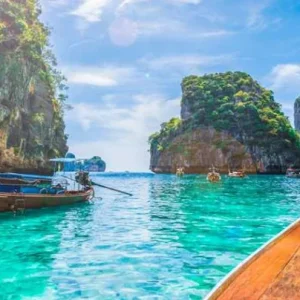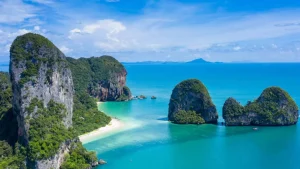
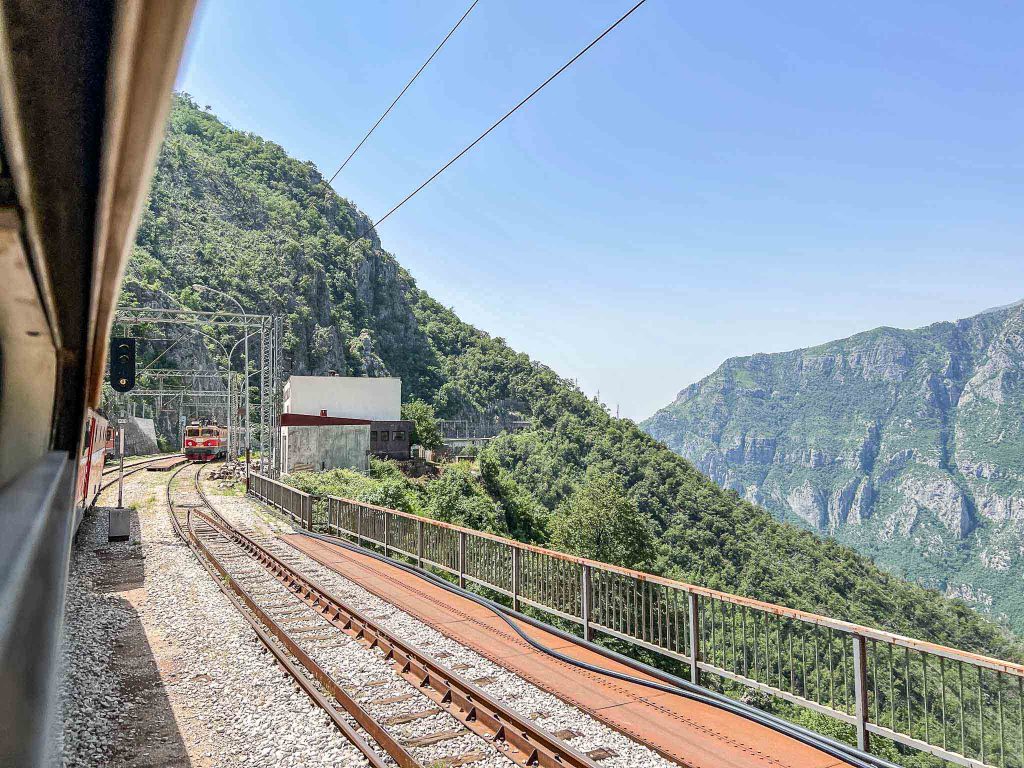
In an era defined by rapid movement and digital overstimulation, the concept of travel has begun to shift. No longer is the goal to simply check off as many landmarks as possible from a list. Instead, a new approach, slow travel, invites explorers to pause, breathe, and truly immerse themselves in their surroundings. This mindful mode of journeying encourages deeper connections with local cultures, nature, and people, turning every trip into a meaningful experience. As the world rebalances in 2025, slow travel offers a welcome respite from the chaos and a chance to rediscover the joy of exploration in its most authentic form.
Why slow travel matters today:
- It fosters genuine cultural connections rather than fleeting tourist interactions.
- Supports sustainable tourism by reducing environmental impact and benefiting local economies.
- Enhances emotional wellbeing by reducing stress and increasing presence.
- Encourages flexibility and openness to spontaneous adventures beyond rigid itineraries.
- Provides richer, long-lasting memories through thoughtful engagement with places.
Embracing the Essence of Slow Travel in 2025
Slow travel is less about the distance covered and more about the depth of experience. Rather than rushing through a list of destinations, travelers choose to linger in each place, soaking in the atmosphere and stories that textbooks and websites rarely convey. This approach transforms trips into personal journeys of discovery.
For instance, one might opt to spend a week exploring the hidden corners of Lisbon or indulge in an authentic culinary adventure in China that prioritizes local flavors over tourist-friendly menus. Resources like Rick Steves’ guides and Slow Travel Tours emphasize immersive itineraries that nurture understanding rather than speed. Such depth enriches travels, making them both transformative and memorable.
Choosing Destinations That Reward Slow Travel
Some places naturally invite slow exploration. Small coastal towns, lush countryside retreats, or culturally rich cities offer a rhythm that encourages lingering. For example, island hopping in Greece provides an opportunity to connect with varied island cultures at a relaxed pace, perfect for travelers seeking immersion over sightseeing frenzy.
Conversely, large sprawling cities might feel overwhelming if explored too slowly. Knowing when and where to apply slow travel principles is key. Platforms like offbeat Portugal destinations or curated local experiences enhance this endeavor, suggesting places ideal for deeper engagement.
How Slow Travel Enriches Your Well-Being
Adopting a slow pace is more than a physical choice; it profoundly affects mental health. Even the anticipation of a slow-travel trip lifts spirits, fostering positive emotions long before departure. Once traveling, reduced pressure allows time to absorb new sights and sounds fully, decreasing anxiety and increasing joy.
Interestingly, many who embrace slow travel find that this method deepens their sense of presence. Whether savoring a quiet morning café in Venice away from crowds or unwinding at spa destinations in Asia, the unhurried time cultivates a grounded awareness rare in today’s fast-paced world.
Supporting Local Economies Through Mindful Stays
Choosing to spend extended time in one location fosters a meaningful economic impact for local communities. By staying in family-run guesthouses, dining at neighborhood cafés, or purchasing handcrafted items directly from artisans, slow travelers contribute to the sustainability of these destinations. Platforms such as HomeExchange augment such authentic experiences, connecting travelers with locals and encouraging responsible tourism.
Moreover, initiatives like WWOOF and Workaway provide opportunities to engage more deeply, blending travel with volunteerism that strengthens cultural bonds and enriches personal growth. This proves especially impactful in smaller communities where tourism dollars can make a significant and lasting difference.
Reshaping Travel for a More Meaningful Future
Slow travel calls for a shift in mindset—less rushing, more savoring. It asks travelers to relinquish the urge to do it all and instead embrace the richness of fewer experiences. This can mean discovering the finest street food in Vietnam rather than ticking numerous attractions, or wandering thoughtfully through Canada’s family-friendly parks instead of packing an overcrowded itinerary.
This approach also challenges the traditional notion of what a “full” trip looks like. A single afternoon spent strolling a quiet neighborhood holds more depth than a rapid visit to multiple tourist spots. Engaging deeply with a destination’s heart often results in gift-like insights and unforgettable memories that endure well beyond the journey.