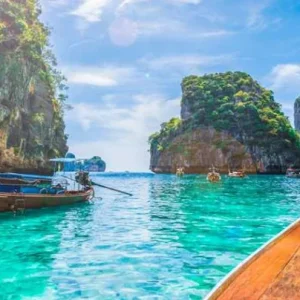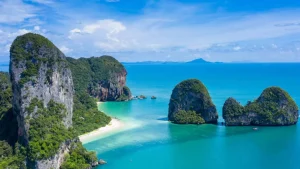
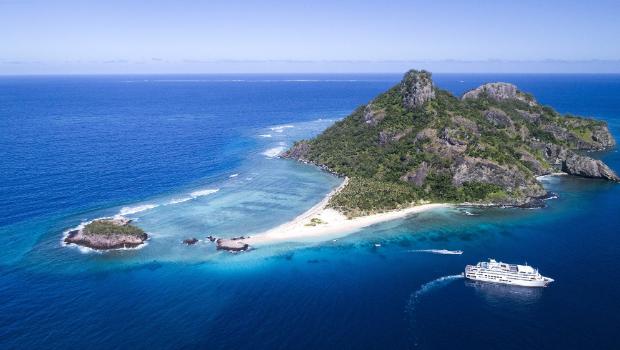
In a world that often feels overwhelmingly connected and fast-paced, the allure of truly getting away has never been stronger. Remote islands offer a unique kind of escape—places where the natural world whispers stories untamed by modern life, where solitude and adventure blend seamlessly. These islands, scattered across vast oceans, offer travelers the rare chance to disconnect, recharge, and immerse themselves in environments that have resisted the pull of mass tourism. From the mystic stone statues of Rapa Nui to the pristine reefs of Rodrigues Island, the world’s most secluded isles beckon those seeking not just a vacation, but a transformative journey into nature’s untouched realms. Exploring these hidden gems requires more than curiosity; it demands careful preparation, respect for fragile ecosystems, and a spirit eager to embrace the unknown.
En bref :
- Remote islands like Rapa Nui and Niue offer unparalleled cultural and natural experiences far from typical tourist routes.
- Preparation, including packing essential survival gear, is crucial for safety and enjoyment during island adventures.
- Understanding local wildlife, weather patterns, and regulations ensures respect for unique ecosystems and cultures.
- Smart navigation of island terrains and knowledge of survival skills enhance both safety and immersion in remote environments.
- Mental resilience, alongside physical readiness, is key to thriving in isolated and challenging settings.
Discovering Remote Islands: Your Gateway to Untamed Wilderness
The concept of exploring remote islands evokes images of vast, empty beaches, ancient mysteries, and nature’s sheer unspoiled beauty. Consider Rapa Nui in Chile, famously known as Easter Island, standing as the world’s most isolated inhabited island. Its iconic moai statues and deep-rooted cultural heritage create an unrivaled draw for travelers ready to disconnect from the everyday and embrace a landscape steeped in history and natural marvels. Just as National Geographic photographers and explorers have demonstrated, these islands offer an unmatched canvas where legends live, and raw landscapes define the horizon.
Access to these islands is often limited, requiring travelers to be both resourceful and patient. For example, reaching Tristan da Cunha, nestled in the heart of the South Atlantic and home to only a few hundred residents, demands a boat trip from Cape Town and prior permission, underscoring the exclusivity and challenge that amplifies the charm of such destinations. Most remote islands, from Niue’s clear waters boasting the first International Dark-Sky designation, to the luxury-hideaway vibes of Rodrigues Island, invite visitors to tailor their journey according to their desire for adventure, tranquility, or indulgence.
Preparing for Your Remote Island Adventure
Embarking on an expedition to a remote island requires thoughtful preparation. Unlike popular tourist spots, these locales demand self-sufficiency and readiness for unexpected challenges. Equipping yourself with reliable gear from trusted outdoor brands such as The North Face, Columbia Sportswear, or Osprey can make a significant difference. Essentials include multi-purpose tools, first-aid kits, fire-starting equipment, and water purification tablets to ensure safety and comfort in isolated surroundings.
Functionality and resilience in clothing can also not be overstated—lightweight, moisture-wicking materials help manage tropical humidity, while sturdy hiking boots enable confident navigation over rugged terrain. The use of technology like Garmin’s navigation aids and DeLorme’s inReach satellite communicators can offer both peace of mind and crucial connectivity when venturing far from civilization.
Essential Survival Skills for Thriving in Secluded Island Environments
Beyond preparation, survival on remote islands entails mastering practical skills. Building natural shelters using local materials shields travelers from unpredictable weather, while sourcing and purifying water safeguards against dehydration—a critical concern when immersed in isolation. Fire making is another cornerstone skill, vital for warmth, cooking, and signaling for help if necessary. These tasks align closely with lessons advocated by outdoor experts from Patagonia and Yeti, who emphasize blending expertise with respect for the environment.
The ability to identify edible plants or practice sustainable fishing enriches the experience, connecting travelers more intimately with the island’s ecology. Meanwhile, staying aware of local wildlife, including venomous creatures and protected species, ensures personal safety and environmental conservation. Such pragmatic knowledge is the key to transforming a mere visit into a life-affirming adventure.
Navigating the Challenging Landscapes of Remote Islands
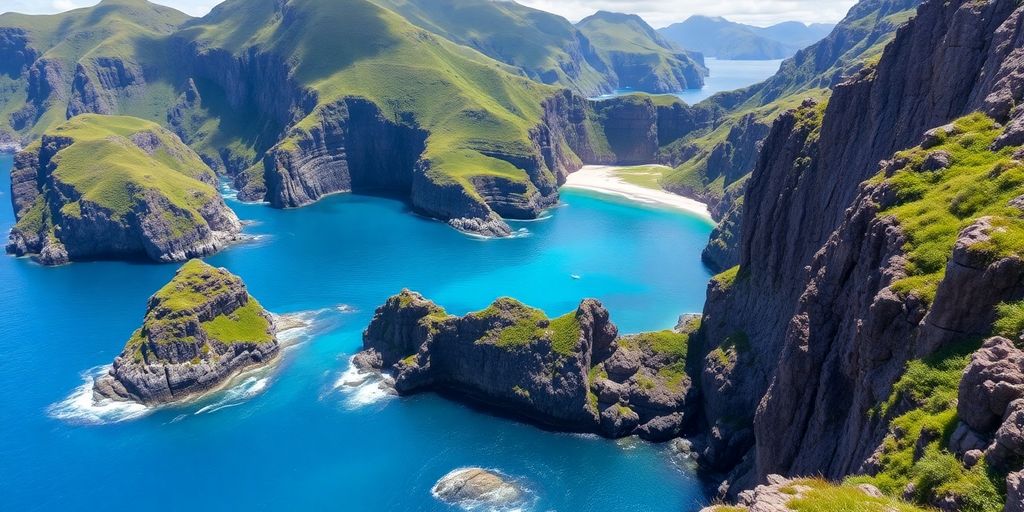
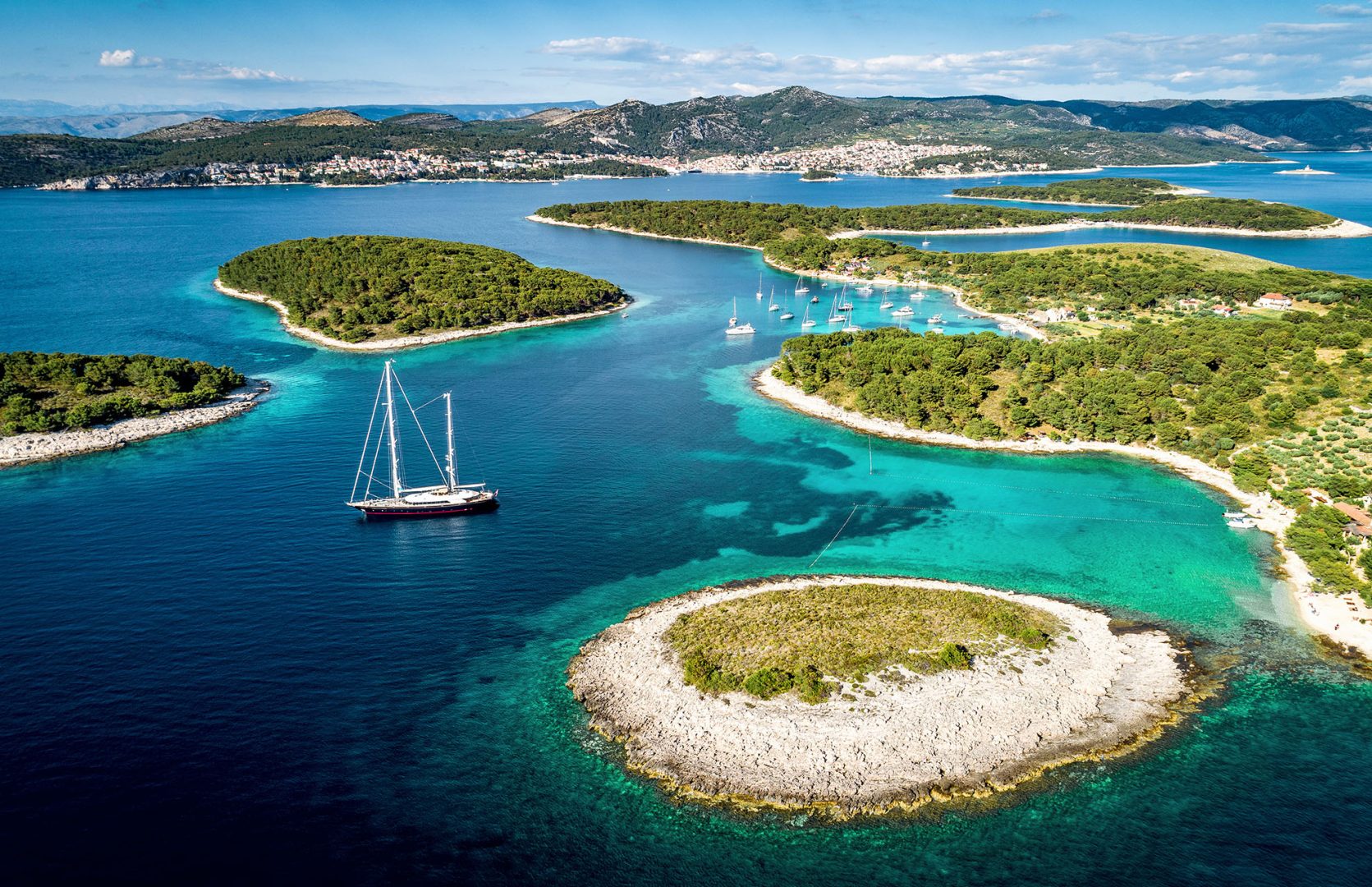
Remote islands can harbor diverse terrains, from dense jungles to jagged cliffs and coral shores. Successful navigation demands vigilance and adaptability. Marking your path and using traditional tools alongside modern devices helps prevent disorientation in thick foliage. Moreover, understanding tidal patterns and current strengths enhances safety during water crossings, essential for accessing neighboring islets or fishing grounds.
Mental endurance is equally vital; resilience enables adventurers to stay calm under pressure and find joy in solitude. Engaging daily routines and reflection amid natural beauty can foster a profound connection to the environment, as well as inner strength. Embracing this mindset elevates the remote island experience from survival to a transformative journey.
Treasures Beyond the Map: Unique Destinations Worth the Journey
From the quiet black-sand beaches of La Gomera in Spain’s Canary Islands to the star-studded darkness above Niue’s pristine skies, each remote island offers its own unique treasures. Places like Fernando de Noronha in Brazil provide exceptional surfing and marine wildlife encounters, while the San Blas Islands in Panama invite visitors to engage with the indigenous Guna People, forging meaningful cultural experiences.
For those inspired by cinematic history, the Skellig Islands off Ireland serve as an almost otherworldly backdrop featured in the Star Wars saga. Whether drawn by adventure, history, or tranquility, these islands present unparalleled opportunities to pause, explore, and rediscover the wonder of the natural world. For more insights into remote destinations, travelers can also explore Canada’s stunning national parks, a testament to Earth’s enduring wilderness.