
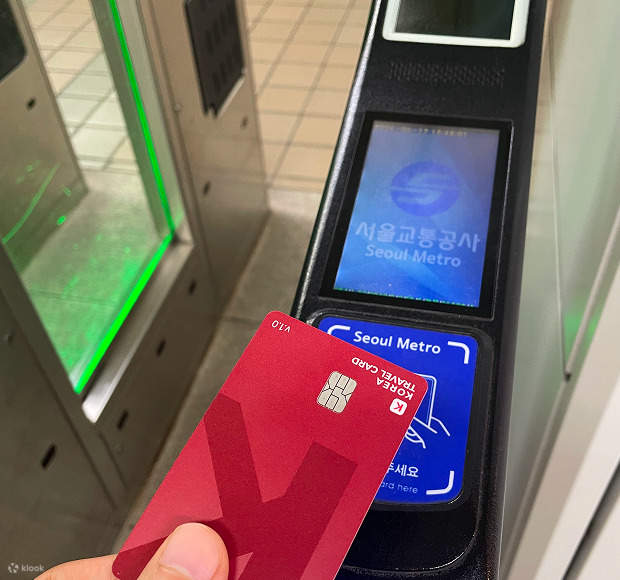
As global travelers increasingly seek ease and security, the trend toward cashless travel is reshaping the way we explore the world. No longer burdened by bulky wallets or fumbling for foreign currency, visitors can seamlessly embrace digital payments, enhancing convenience and safety. With innovations in mobile wallets like Apple Pay and Google Pay, alongside trusted financial services such as PayPal, Revolut, and Wise, navigating diverse countries becomes smoother than ever. From the vibrant streets of Stockholm to the bustling markets of Seoul, cashless travel opens doors to a richer and more effortless adventure, where tapping a card or scanning a code replaces traditional cash exchanges.
In brief, mastering cashless travel abroad means equipping yourself with multiple payment options, including international Visa or Mastercard credit cards, alongside mobile apps that accommodate various currencies. Being prepared with these digital tools not only streamlines transactions but also minimizes risks related to theft or loss. While countries like Sweden, South Korea, and Singapore lead with near cashless economies, even traditional tourism hotspots have integrated contactless payments extensively. Importantly, having contingencies such as a small amount of local currency or backup cards ensures resilience against connectivity issues. Those who adapt to this evolving payment landscape are poised to enjoy a secure, frictionless, and vibrant travel experience.
Embracing the Era of Cashless Travel Abroad
Picture wandering through busy global capitals without ever needing to fish out a coin or bill. This vision is rapidly becoming reality as cashless payment systems sweep across the world. Technological advances and increasing digital infrastructure have propelled countries to adopt systems where transactions through mobile apps, contactless cards, and digital wallets like Apple Pay and Google Pay are commonplace. The rise of services such as PayPal, Revolut, and Wise offers travelers the ability to manage finances across currencies effortlessly, sidestepping the hassle of currency exchange and the insecurity of carrying physical money. This shift means smoother journeys where attention turns from money management to the richness of experience itself.
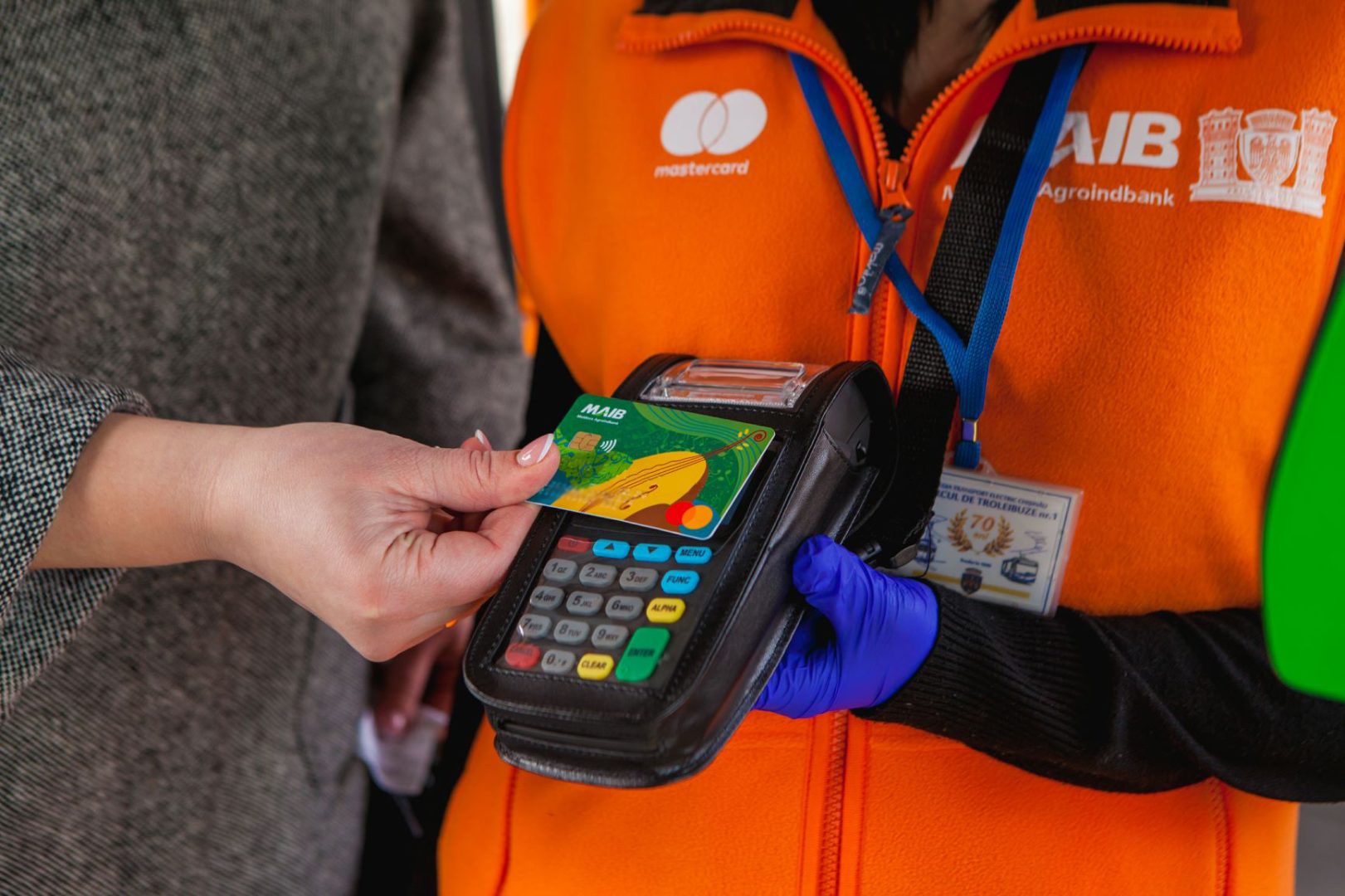
Why Cashless Payments Revolutionize Travel Convenience
Cashless travel does more than eliminate the need to carry physical money—it transforms convenience into an everyday reality. Long gone are the frustrating moments spent searching for exact change or navigating unfamiliar coins. Instead, travelers now glide through purchases with a simple tap of a Visa or Mastercard-enabled device or a swift scan through apps like Revolut and Wise. The ability to instantly pay for transit, meals, and souvenirs across international borders without conversion confusion has turned journeys into seamless, stress-free adventures. I recall a trip to Australia when Wise’s real-time currency exchange spared me from heavy fees and long waits, underscoring how these payment innovations redefine ease on the road.
Top Countries Leading the Cashless Travel Movement
Among the vanguards of cashless travel, Sweden stands out as a beacon of digital payment acceptance. With nearly 85% of retail transactions completed electronically, Swedish travelers routinely witness “No Cash Accepted” signs at cafes and public transit. Similarly, South Korea’s progressive cities like Seoul have integrated technologies like Samsung Pay and KakaoPay, transforming even street vendors into touchless payment participants. China’s Alipay and WeChat Pay dominate daily life, pushing foreign travelers to embrace mobile payments as a necessity rather than a novelty.

In Europe and North America, the United Kingdom and Canada have woven contactless payments into public transportation and retail environments. Londoners swiftly tap contactless Visa or Mastercard cards at tube stations, while Canadian cities boast near-universal acceptance of Apple Pay, Monzo, and N26. Down Under, Australia’s ubiquitous PayWave and Tap and Go systems mean even rural coffee shops operate predominantly cash-free. The Netherlands, Finland, Singapore, and Norway similarly embrace digital infrastructures that prioritize speed and security, setting a new global standard for travel transactions.
Navigating Digital Payment Tools for a Secure Journey
Choosing the right mix of payment methods is critical for flawless cashless travel. Relying solely on mobile wallets may backfire in areas with limited connectivity, while exclusive dependence on credit cards risks complications if a card is blocked or lost. A balanced approach might include a contactless Visa or Mastercard credit card, a debit card with no foreign transaction fees, and mobile apps such as Revolut, Wise, and PayPal tailored to cross-border needs. Monzo and N26 offer flexible options for Europeans venturing abroad, minimizing currency exchange headache.
For instance, a traveler in Norway found their primary card unexpectedly frozen; having a Revolut app set up on their phone enabled seamless payments until the issue was resolved. Such preparedness turns potential setbacks into minor blips, ensuring travel stays focused on discovery rather than disruption.
Enhancing Safety and Preparedness for Cashless Adventures
Cashless travel enhances security by enabling quick remote card freezing and utilizing biometric authentication found in modern mobile wallets. While these innovations drastically reduce theft risks, travelers should always maintain a small emergency cache of local currency for rare offline scenarios. Preparing in advance by notifying banks of travel plans, downloading essential payment apps, and setting up multi-factor security fortifies resilience.
Internet connectivity remains vital. Procuring local SIM cards or international roaming packages enhances the ability to transact globally. Moreover, pre-downloading offline payment confirmations and maps can bridge temporary network lapses. Having backup cards and the details of financial institutions stored securely adds another layer of safety, ensuring peace of mind.