
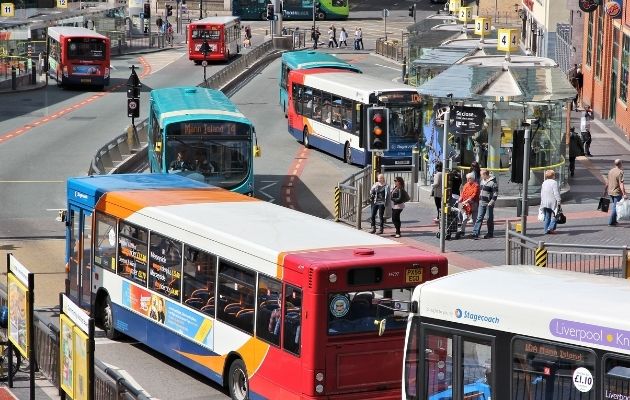
In the heart of bustling metropolises around the world, public transportation stands as a beacon of sustainable mobility and dynamic urban life. As cities continue to grow and evolve, the shift from private car dependency to efficient transit systems is not only a necessity for reducing greenhouse gas emissions but also a catalyst for vibrant community development. From the sprawling subway networks of New York City to the innovative transit solutions in Washington D.C., public transport enables millions to navigate urban landscapes with ease, affordability, and environmental consciousness. In 2025, exploring how transit integrates with urban planning, technology, and daily routines reveals a powerful story of progress and connection.
Public transport in big cities offers a unique blend of efficiency and communal experience. Unlike private vehicles that typically carry a single occupant, buses and trains maximize road space by moving dozens to thousands of passengers simultaneously, dramatically reducing per capita emissions. This efficiency is crucial as transportation contributes over 20% of global greenhouse gas emissions. Moreover, successful public transit relies on thoughtful urban design that groups housing, workplaces, and amenities around transit hubs, fostering a cycle of increased ridership, economic uplift, and improved quality of life.
Understanding Public Transportation Efficiency in Major Urban Areas
Public transit systems demonstrate exceptional efficiency compared to private cars, particularly in densely populated areas. A single bus can transport 50 or more people, while a subway train can carry thousands during peak hours. This collective movement not only consumes less energy per person but also helps unclog streets, mitigating the negative impacts of traffic congestion. For example, New York City, which boasts the highest public transit usage in the United States at 56.5%, showcases how integrating bus and Metro services with technologies like SmarTrip and platforms similar to Moovit encourages millions to leave their cars behind.
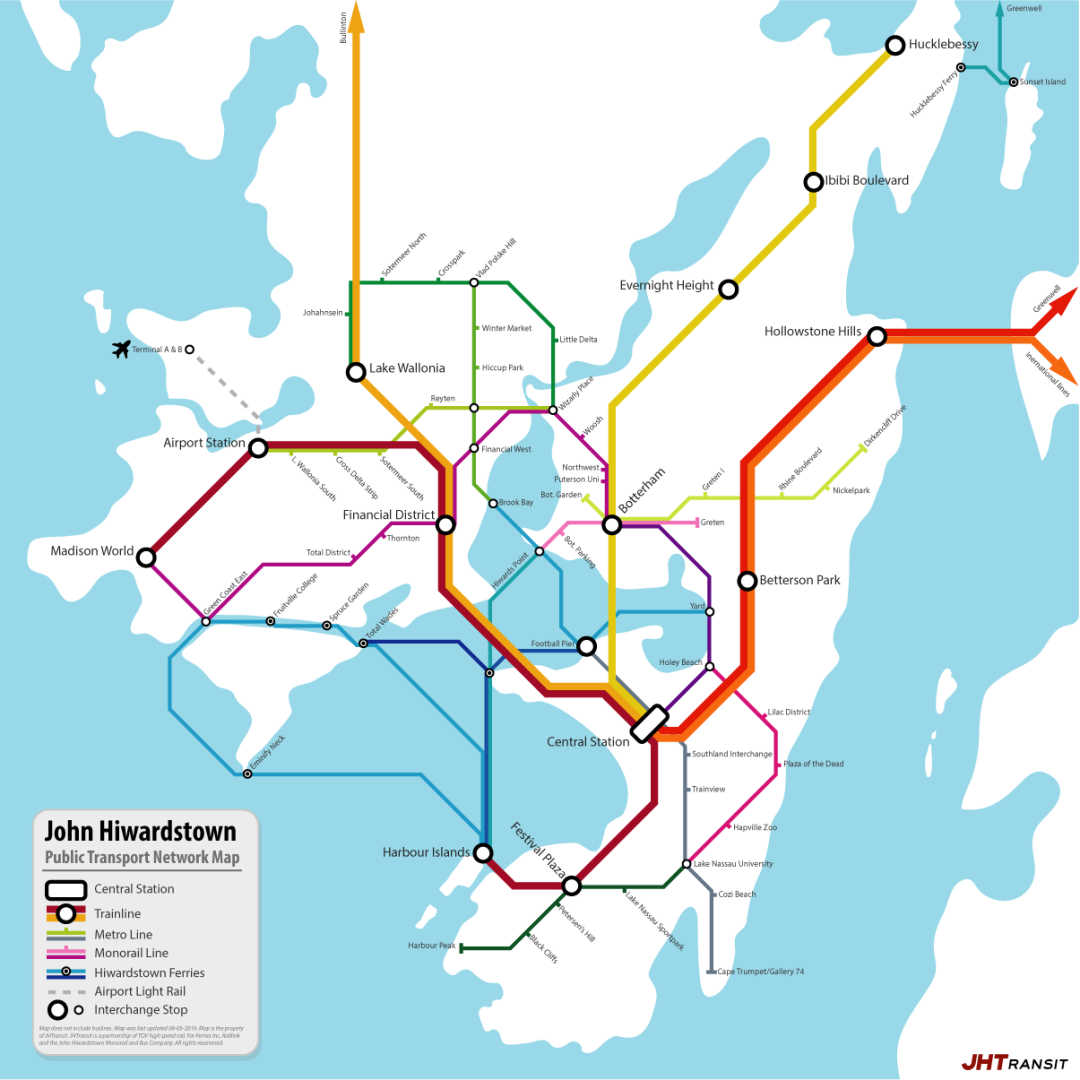
The practical advantages of public transit are further enhanced by user-friendly apps such as Citymapper. These tools help commuters navigate complex transit networks, plan multi-modal journeys, and discover efficient transfers. In cities like San Francisco and Boston, these apps work in harmony with systems like the Los Angeles Metro, increasing accessibility and convenience for daily riders. Additionally, innovative solutions like Uber Pool complement public transport by bridging first and last-mile connectivity, thereby expanding transit reach without increasing traffic significantly.
How Urban Design Amplifies Transit Accessibility and Appeal
Urban planning plays a pivotal role in the success of public transportation. Cities that embrace transit-oriented development create dense, walkable neighborhoods packed with housing and businesses near transit stops. This planning strategy not only brings more riders to the system but also elevates property values and supports local economies, creating a virtuous cycle of growth and investment. For instance, Washington, D.C.’s Metro system, supported by SmarTrip technology, exemplifies how a well-designed network encourages frequent ridership that sustains and justifies continual service improvements and expansions.
Moreover, transit synergy emerges when complementary transportation modes connect efficiently—trains servicing main corridors, buses covering broader neighborhoods, and services like VIA and Lyft facilitating dynamic, flexible travel options. This interconnected approach leads to higher overall usage and a more seamless travel experience, aligning with environmental goals and enhancing urban life quality.
Balancing Public Transit and Private Vehicles in Expanding Cities
Public transport and private vehicles coexist in complex urban ecosystems, and smart policy choices can tip the balance toward more sustainable mobility. Congestion pricing, which charges drivers for entering high-traffic zones, discourages car use, reduces emissions, and improves air quality. Meanwhile, dedicated bus lanes enable faster transit movement, though they may restrict private vehicle traffic. Navigating these trade-offs is essential to designing cities that prioritize people over cars.
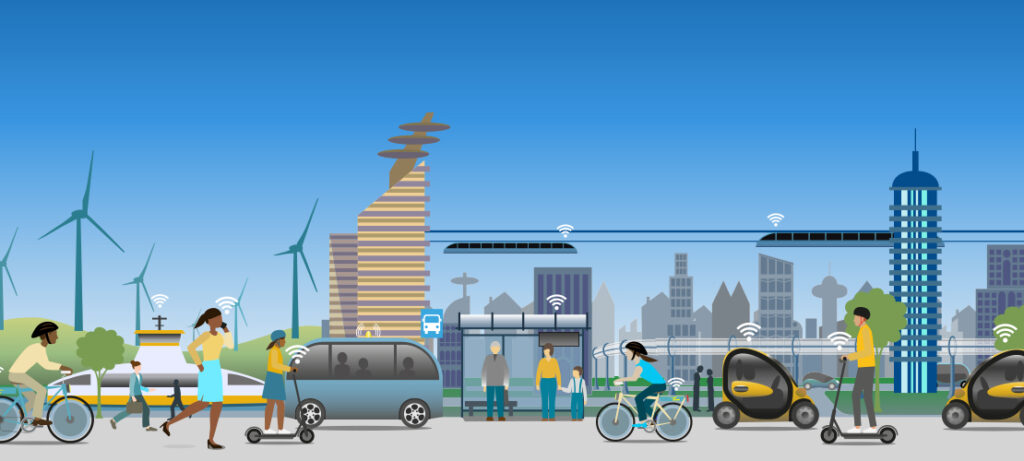
Despite the convenience of private cars, especially in areas with limited transit access, public transportation offers significant advantages. It’s often cheaper, safer, and allows travelers to work or relax during transit. Platforms like Transport for London and MTA demonstrate how integrated fare and route management systems can further enhance user experience, encouraging commuters to embrace public transit as a primary travel mode.
Global Perspectives: Public Transport Trends Across Continents
The landscape of public transport usage varies worldwide. Developed nations with strong transit legacies—such as Japan and Germany—maintain high ridership and low transportation emissions. Conversely, the U.S. has seen a decrease in public transit use since the 1960s, despite metropolitan hubs like New York City, Jersey City, and Boston leading in transit commutes. Emerging economies possess unique opportunities to foster transit cultures. China’s incredible expansion of rail networks illustrates this potential, linking millions while mitigating the environmental impact of rising car ownership.
International investments in clean energy further complement transit benefits. Upgrading bus fleets and train systems to run on electricity rather than fossil fuels dramatically reduces urban pollution and greenhouse gas emissions. This shift is often more feasible than equivalent transformations in private vehicle fleets and plays a crucial role in achieving climate goals.
The ongoing evolution of public transit in major cities reflects a powerful narrative: by combining innovation, thoughtful urban design, and policy foresight, we move closer to sustainable, connected, and livable urban futures. Readers looking to optimize their travel experience and reduce their environmental footprint may also find practical insights on cashless travel with cashless travel abroad and eco-conscious accommodations in eco-friendly hotels worldwide. For those navigating complex city journeys, resources like public transport in Berlin or tips on renting cars vs. public transport offer valuable guidance to tailor urban mobility choices.