
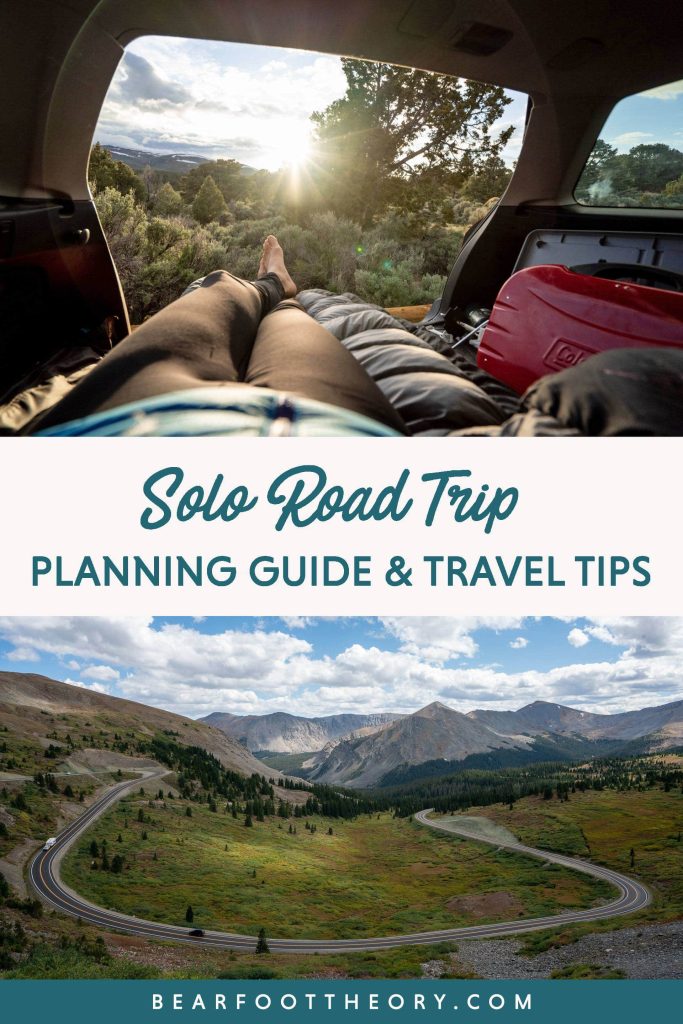
Embarking on a solo road trip is a profound journey of self-exploration and boundless discovery. It offers the unparalleled joy of charting your own course, diving into the heart of unknown landscapes, and savoring the freedom that comes with solitary travel. Yet, this adventure is not without its responsibilities—ensuring your personal safety and preparedness is paramount to truly embrace the open road with confidence. The essence of solo travel lies in balancing spontaneity with caution, blending the thrill of uncovering hidden gems with the peace of mind that comes from solid planning. Resources like Lonely Planet and National Geographic provide invaluable insights to enrich your destinations, while apps such as TripIt and Roadtrippers can help craft a route tailored to your interests and safety needs. Solo travel invites you to delve deeper into the soul of every place you visit, making connections with locals and nature alike, guided by your own rhythm and pace. This guide will illuminate the key steps for vehicle readiness, personal safety, and navigation tools, ensuring your journey is not only inspiring but also secure and sustainable.
The journey of a solo road trip can transform your perspective, pushing boundaries and fostering growth. REI and AllTrails offer adventure resources that pair perfectly with solo expeditions, encouraging both outdoor exploration and responsible travel. Meanwhile, packing smart with Nomad Lane essentials and Thule gear ensures you carry comfort and readiness in equal measure. Navigating busy tourist sites safely can be enhanced by Travel + Leisure’s tips on managing crowds and staying vigilant. Together, these elements construct the framework of a successful solo road trip, where every mile traveled is a step towards empowerment, independence, and unforgettable memories.
Mastering Vehicle Preparation for a Safe Solo Road Trip
Your vehicle is the cornerstone of your solo adventure, serving as your sanctuary and reliable companion on the vast highway. Prior to setting off, a meticulous inspection is non-negotiable. Evaluate the engine oil’s clarity and level, as dark or gritty oil signals urgent maintenance needs. Tires demand close attention—not only their inflation and tread depth but also the health of your spare tire, a safety net often overlooked until critical. Fluids such as brake, coolant, and windshield washer need to be topped up to ensure smooth operation under diverse conditions.
Lighting systems—headlights, brake lights, and indicators—must be in perfect working order to keep you visible and compliant with road laws. Beyond mechanics, assembling a robust emergency car kit transforms your readiness: jumper cables, tire pressure gauge, duct tape, and portable air compressors become your toolbox for resilience. Such preparation fortifies your journey, grounding your freedom in practical assurance akin to the meticulous planning advocated by expert travel communities.

Essential Safety Gear and Supplies to Carry Alone
Solo travelers must anticipate the unexpected by packing beyond mere convenience. A comprehensive first aid kit stocked with bandages, antiseptics, and personal medications is a lifeline when distance to medical care stretches. Equally vital are survival essentials: ample water supplies—at least a gallon per person per day—energy bars, nuts, and dried fruits ensure sustenance during delays or emergencies. A whistle and multi-tool in your kit amplify your ability to signal for assistance or manage unforeseen challenges.
Communication devices reinforce your safety net. While your smartphone is indispensable, supplementing it with a satellite communicator guarantees connection in remote areas, an invaluable asset highlighted by the best travel apps. Chargers and power banks maintain your contact with the world, supporting both navigation and emergency calls. Weather-appropriate attire—from breathable layers to rain gear and warm clothing—prepares you for variable climates, preventing exposure-related risks. Sleeping bags suited for cooler temperatures provide comfort if unplanned overnight stays in your car arise, rounding out a well-thought-out gear list.
Strategic Route Planning and Communication for Solo Travelers
Crafting a thoughtful itinerary is a pillar of safety and enjoyment on your solo trip. Engage multiple navigation resources: GPS applications complement traditional maps, ensuring you remain oriented even if technology falters. Identify fuel stops, rest breaks, and lodging options ahead of time, with alternatives mapped out to navigate unexpected closures or challenges. Sharing detailed travel plans with trusted contacts transforms your journey into a connected adventure, allowing for timely check-ins and enhanced security.
Offline maps offer a fail-safe when cellular coverage wanes, while marking critical sites such as hospitals and police stations prepares you for emergencies. This layered navigation approach embodies the thoroughness championed by platforms like Roadtrippers and Lonely Planet, blending modern convenience with grounded preparedness. Clear communication strategies, including scheduled updates and accessible emergency information, ensure that your solo exploration remains a shared experience in spirit, bolstering confidence on long stretches of road solitude.

Protecting Yourself: Personal Security Measures on Solo Expeditions
Beyond mechanical readiness, personal vigilance defines solo travel safety. Instincts become your guiding compass—don’t hesitate to leave situations that feel off or unsafe. Managing your visibility involves subtlety; avoid flaunting valuable possessions or carrying excessive cash to deter unwanted attention. Keeping vehicle doors locked whether stationary or moving adds an essential layer of security.
When taking breaks, select lively, well-lit environments such as gas stations or cafes, which provide refuge and human presence. Staying informed about local laws and customs is indispensable—some regions impose specific restrictions on overnight parking or certain equipment, which can impact your travel experience and safety. Awareness extends to common local scams or hazards, empowering you to navigate each destination with informed confidence and respect for cultural nuances.