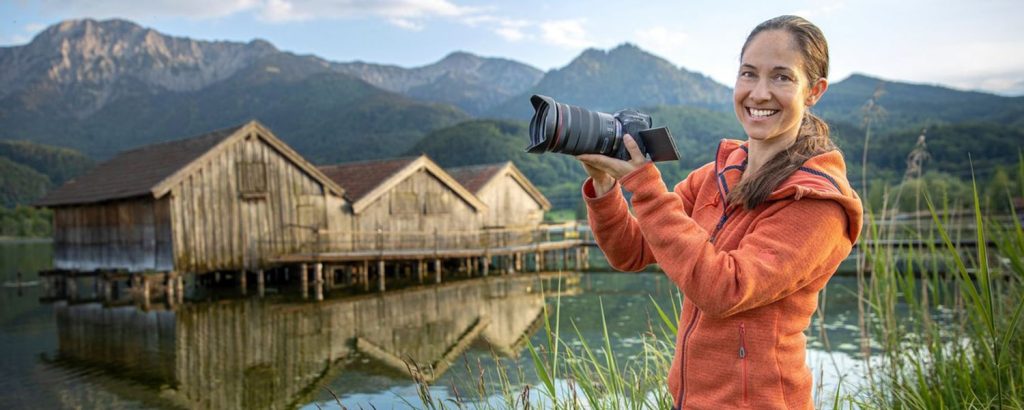
In the exhilarating pursuit of travel photography, transforming ordinary snaps into evocative visuals is an art that combines patience, technique, and a deep connection to the environment. As the world becomes more interconnected, adventurers increasingly seek to immortalize their journeys not just as images, but as stories encoded in light and shadow. Mastering the interplay of natural and artificial lighting, discovering fresh perspectives, and harnessing the power of composition are vital to capturing the spirit of a place. Whether wandering vibrant city streets or serene natural landscapes, a nuanced understanding of camera settings, gear like Canon or Fujifilm, and post-processing tools can elevate your imagery. This journey through the art of travel photography will inspire you to see beyond the obvious and create compelling images that resonate with depth, emotion, and authenticity.
Key takeaways for capturing unforgettable travel photos include understanding the magic of the golden hour for exquisite lighting, using composition techniques like the rule of thirds and leading lines to frame your shots impactfully, and embracing unique perspectives to breathe life into your photographs. Equipping yourself with the right gear—from robust Nikon or Sony cameras to portable accessories by Peak Design and Manfrotto—ensures readiness for any scenario. Additionally, editing software such as Adobe Lightroom empowers creatives to refine images thoughtfully without compromising authenticity. Above all, weaving stories through candid moments and cultural context enriches each shot, delivering a narrative that transports viewers into your travel world.
Harnessing Natural Light to Turn Travel Photos into Art
The essence of breathtaking travel photography lies largely in how light is captured and used. Photographers embracing the golden hour—the fleeting moments after sunrise and just before sunset—unlock a palette of warm, soft hues that minimize shadows and highlight textures. This period transforms mundane scenes into enchanting visuals, enhancing colors and imbuing photographs with a poetic glow. Whether shooting a bustling morning market or a tranquil beach, timing the click around these hours maximizes impact.
Beyond timing, discerning when to favor natural light over artificial sources sharpens your creative vision. Natural light, particularly in open-air environments like iconic landscapes or historic temples, lends authenticity and vibrancy. Conversely, in nocturnal cityscapes or indoor cultural events, artificial lights from LEDs or controlled flashes—compatible with advanced cameras like Nikon or Sony—allow precision and clarity, preserving vital details without overpowering the atmosphere. The adept use of lighting creates mood and directs attention, as demonstrated in the colorful scenes captured during the famous Dubai photography spots, where photographers expertly blend environmental lighting with their equipment’s capabilities.
Lighting Techniques to Enhance Emotional Connectivity in Travel Photography
The interplay of light and shadow can significantly amplify the emotional resonance of your travel images. Utilize backlighting to create dramatic silhouettes during sunset, a technique that adds mystery and depth. Shadows, when carefully incorporated, can sculpt human subjects and landscapes alike, offering layers of meaning and inviting viewers to explore the unseen. Employing this knowledge encourages capturing moments that are not only beautiful but deeply felt.
Transforming Composition Skills for Visually Striking Travel Photos
Elevating travel photography from snapshots to storytelling requires mastery of composition. The time-tested rule of thirds divides your frame into nine equal parts, allowing you to position focal points along intersections and lines for dynamic balance. This principle directs the viewer’s gaze naturally, ensuring the story in your frame unfolds organically.
Incorporating leading lines—such as winding rivers, ancient cobblestone paths, or architectural features—guides the observer’s eye through the image seamlessly. This technique adds depth and invites extended engagement, transforming scenes like those seen on the evocative Art Route Amsterdam into immersive visual journeys. Applying these methods helps you connect form and content elegantly, making every photo not just seen, but experienced.
Innovative Angles and Perspectives to Capture Unique Travel Moments
Breaking away from eye-level shots unlocks fresh views and exciting narratives. Photographers who kneel, climb, or reposition themselves discover nuances missed by many. A crouched vantage point in the lively market streets or an elevated perch overlooking iconic skylines captures details and emotions from novel angles. Integrating foreground elements, like Poké rocks or colorful textiles when traveling through indigenous communities, frames the subject and enriches context.
This approach breathes vitality into photos, as exemplified by imagery from immersive experiences such as visiting indigenous communities in remote regions, where perspectives and environmental storytelling meld seamlessly to reveal hidden cultural layers. These techniques also pair well with equipment like GoPro for lower or wide-angle shots and DJI drones that provide breathtaking aerial viewpoints, expanding creative horizons.
Gear Preparation and Post-Processing: Crafting Photos That Endure
Reliable gear is foundational to capturing travel moments under diverse conditions. Cameras from industry leaders like Canon or Fujifilm combined with essential accessories—durable Peak Design bags, steady Manfrotto tripods, and fast SanDisk memory cards—ensure you remain prepared. Understanding when to choose DSLR versus mirrorless cameras based on trip demands enhances responsiveness and image quality. Mirrorless models, favored for their compactness and live previews, excel in spontaneous urban explorations whereas DSLRs offer robust battery life for extended safaris and outdoor adventures.
While in-field skill sets the base, thoughtful post-processing brings your vision to life. Effective use of tools such as Adobe Lightroom facilitates precise color correction and composition adjustments without compromising authenticity. Beginning with cropping and exposure tweaks to finer control over contrast and sharpness, editing empowers you to finalize images that resonate and evoke. Navigating the fine line between enhancement and over-editing is crucial, ensuring your travel photos continue to tell genuine stories long after the journey ends.
Tips for Optimizing Travel Photos with Professional Editing
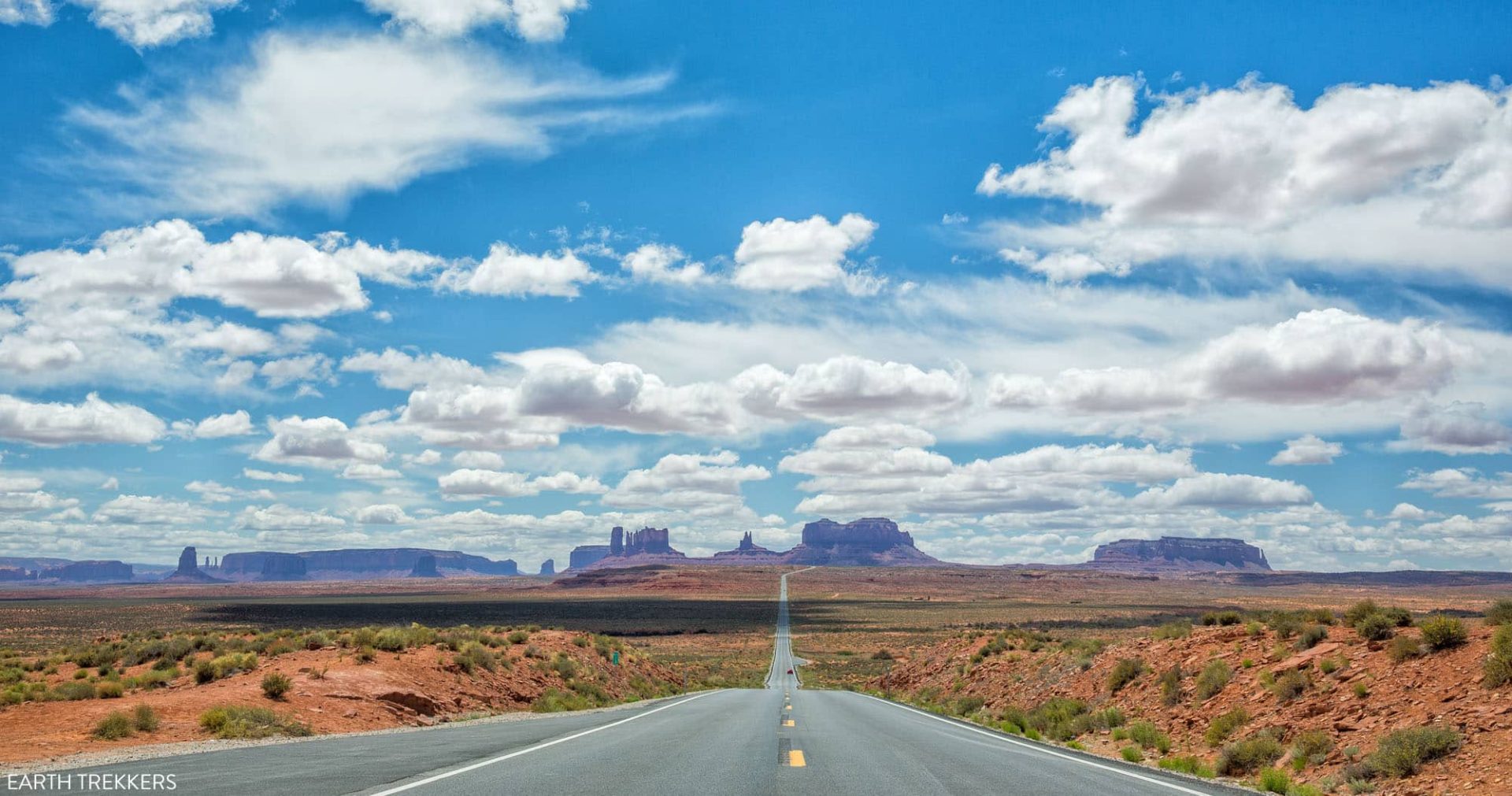
Post-processing offers the final brush strokes in photography. Emphasize maintaining natural tones while drawing out vibrancy to reflect the scene’s true atmosphere. Sharpening key details can revive textures and facial expressions, enhancing storytelling. For instance, editing landscape shots from scenic drives through Australia’s varied terrain demands balancing saturation and clarity to convey both vastness and intimacy effectively.