
Traveling with an infant transforms the excitement of flying into a journey layered with anticipation, preparation, and newfound challenges. Parents stepping back into the skies with their youngest companions face a world where every decision—from timing the flight to packing the perfect carry-on—can influence the serenity of the trip. Beyond securing tickets and navigating airport processes, they champion their baby’s comfort and health amid unfamiliar environments. As 2025 sets new standards in family travel with advances in infant safety gear and supportive airline policies, understanding these changes becomes essential. Navigating the art of flying with a baby blends medical insight, logistical savvy, and emotional resilience, guiding parents towards joyful voyages rather than daunting escapades.
Flying with infants requires thoughtful planning and knowledge about health risks, documentation, and comfort strategies. Parents should ideally wait until their baby is at least three months old to mitigate infection risks and consult a pediatrician for any special medical considerations. Documentation varies with destination; international flights mandate passports for babies, while domestic trips often require birth certificates as proof of age. Buying a separate seat for the infant increases safety, allowing the use of FAA-approved car seats like BabyBjorn or Graco models, which can provide security and familiarity during the flight. Packing must balance necessities like formula, diapers, and comfort toys with airline security rules—a task made easier by flexible TSA guidelines for baby liquids and food. With patience and preparation, flying with infants in 2025 upholds the promise of discovery and connection, turning the skies into a welcoming path for growing families.
Essential Health Considerations Before Flying With Infants
Ensuring the health and safety of an infant during air travel rests largely on timing and preparation. Medical experts, including the American Academy of Pediatrics, advise parents to avoid unnecessary flights with newborns under one week old due to their underdeveloped immune systems and heightened vulnerability to infections. Ideally, waiting until a child reaches 2 to 3 months allows for the administration of crucial vaccinations, such as the influenza vaccine or MMR immunization when traveling internationally. Parents of premature babies or those with respiratory or cardiac conditions must seek specific medical guidance, as changes in cabin pressure can exacerbate breathing difficulties. In 2025, advances in telemedicine enable some pre-flight consultations remotely, allowing parents to receive timely specialist advice on infant readiness for air travel.
Moreover, integrating reliable safety devices is key. Brands like Chicco and Britax offer car seats specifically engineered for secure airplane use, enabling infants to benefit from regulated restraint systems instead of sitting unsecured on a lap. Engaging these seats not only protects the baby during turbulence but also offers peace of mind to parents navigating the unpredictable atmosphere of air travel. All these elements coalesce into a flight plan rooted in attentive care, enhancing wellbeing for the youngest flyers.
Documentation and Legal Requirements for Traveling With Babies
When traveling domestically or internationally with infants, parents must navigate a landscape of documentation requirements that can vary widely. In the United States, infants flying internationally must possess their own valid passport. Applying for these passports requires an in-person visit and the submission of state or birth documentation, a process that parents are encouraged to initiate well in advance of travel dates. For domestic flights, proof of age such as a birth certificate might be requested by some airlines, particularly if the child’s age influences ticket pricing or seating arrangements.
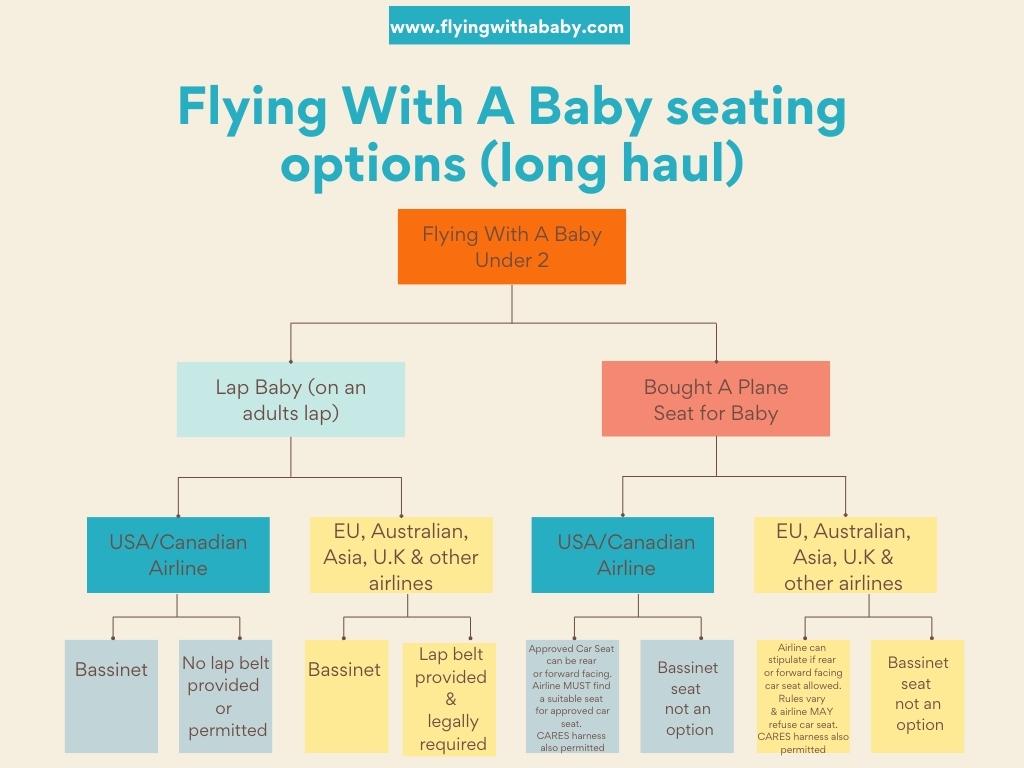
Additionally, when only one parent accompanies the infant internationally, U.S. Customs and Border Protection strongly recommends carrying a notarized consent letter from the non-traveling parent. This formality helps prevent legal complications at borders and reassures officials of parental consent. Policies on whether infants need tickets vary; some airlines require a ticket even for lap infants on international flights, while domestic travel often allows children under two to travel free but without a designated seat. Understanding and preparing these documents beforehand eases the check-in process and secures a smoother journey from departure to arrival.
Practical Tips to Enhance Comfort and Safety During the Flight
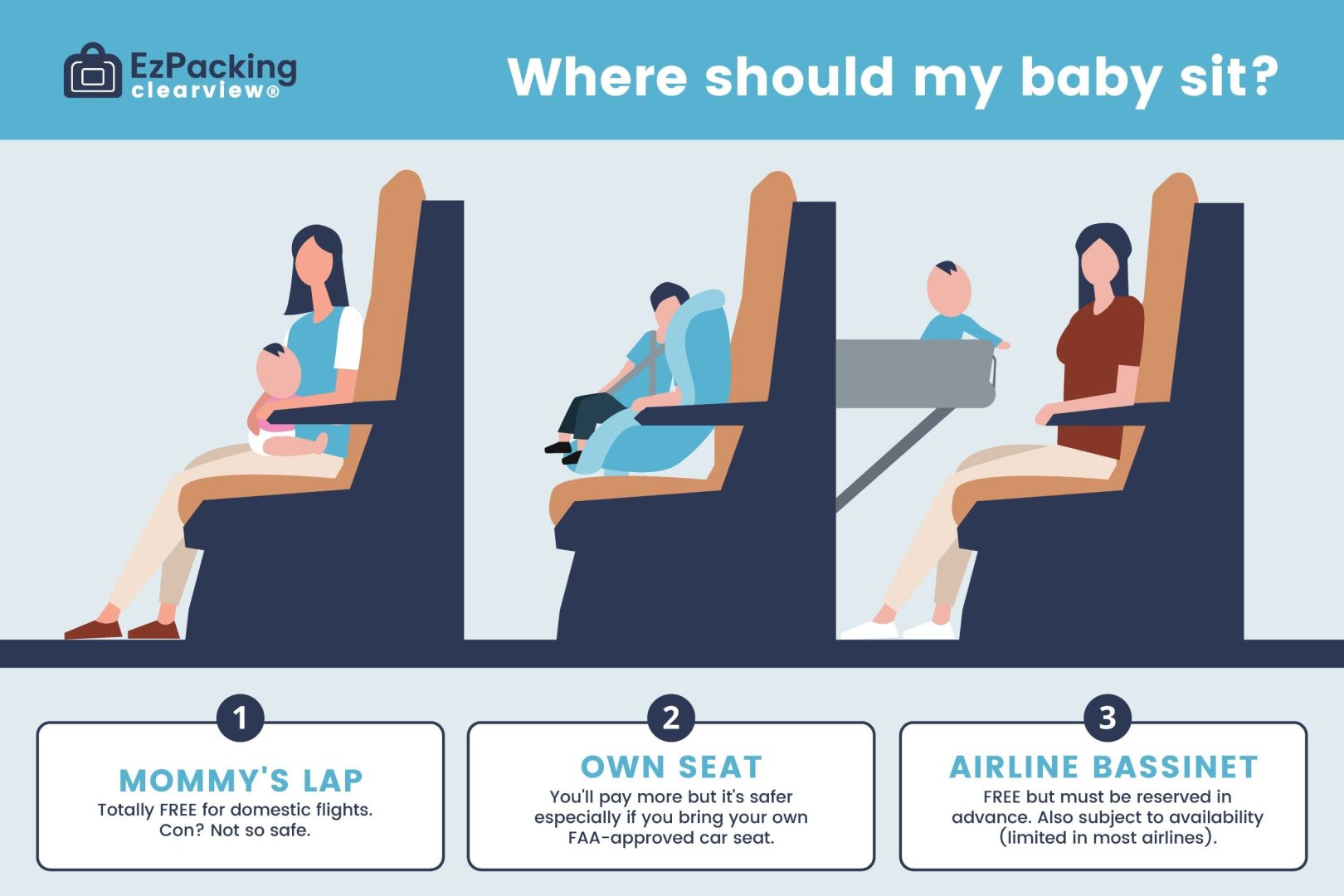
Once aboard, the challenge shifts to maintaining an infant’s comfort and safety amid the confined and occasionally turbulent environment of an airplane. One of the foremost recommendations is to purchase a separate ticket to use an FAA-approved car seat like those from Diono, BabyBjorn, or Graco. This arrangement not only adheres to airline safety standards but also ensures that the baby has a familiar, secure environment during the flight. Moreover, it frees parents from the physical strain and stress of holding an active infant for hours.
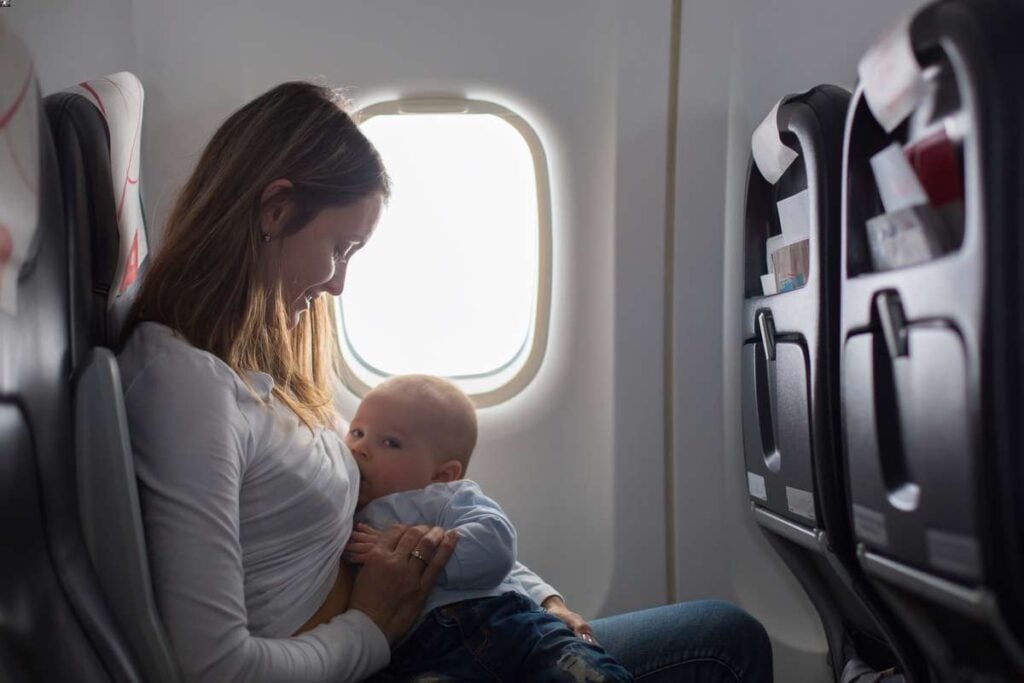
Managing feeding during takeoff and landing also plays a pivotal role in alleviating ear pressure discomfort. Swallowing triggers natural pressure equalization in the ears; thus, providing a bottle, breast milk, or pacifier during ascent and descent can profoundly soothe the infant. Brands such as Philips Avent offer specially designed bottles that are user-friendly and compatible with travel demands. Dressing the baby in layers is another prudent strategy, allowing for quick adjustments to fluctuating cabin temperatures and ensuring the child’s comfort throughout the journey.
Entertainment and Essentials: Packing Smart for Baby
Carrying the right gear is fundamental for a stress-free flight. While diapers and enough baby formula from trusted brands like Munchkin and Summer Infant form the backbone of any infant travel bag, packing carries an opportunity to include small toys and books that engage and distract. Skip Hop offers compact, travel-friendly toys perfect for stimulating a baby’s senses without overwhelming luggage space.
Airline security in 2025 continues to be accommodating towards infant liquids and foods, exempting them from the standard 3.4-ounce restriction. However, to ease passage through security checkpoints, keeping these items in easily accessible containers and informing security officers about them can prevent delays and unnecessary stress. Parents are encouraged to pack multiple pacifiers securely tethered to prevent loss during the flight, as well as antibacterial wipes for quick sanitation of seating areas upon boarding.