
Traveling, with its promise of discovery and adventure, is often accompanied by uncertainties that can challenge even the most prepared explorer. While booking flights and accommodations capture much attention, one vital aspect often slips under the radar: travel insurance. It acts as a shield against unforeseen obstacles such as medical emergencies, lost luggage, or trip interruptions, providing both financial protection and invaluable support abroad. Choosing the right travel insurance plan, however, is no trivial matter. The complexity of policy details and the sheer number of insurance providers available today can overwhelm travelers, making it imperative to understand what truly matters in coverage. In this context, securing a reliable policy tailored to your trip’s unique demands becomes a cornerstone for a worry-free journey.
In brief, travelers should prioritize plans offering robust medical coverage to mitigate the high costs of healthcare abroad, especially in countries like the United States or Japan where even minor treatments can be exorbitant. Look for emergency evacuation features that guarantee transport to suitable medical facilities or repatriation if needed. Consider the specific nature of your trip—if you plan on adventure activities or cruises, ensure your insurance encompasses these scenarios. Pay careful attention to coverage for lost or stolen belongings, particularly if traveling with valuable electronics. Finally, obtaining your travel insurance early—preferably immediately after booking your trip—safeguards you against sudden events that could otherwise leave you vulnerable. Reliable providers such as Heymondo, Allianz Global Assistance, and World Nomads should be part of your consideration to secure the best protection for your adventures.
Essential Features for Choosing the Best Travel Insurance Plan in 2025
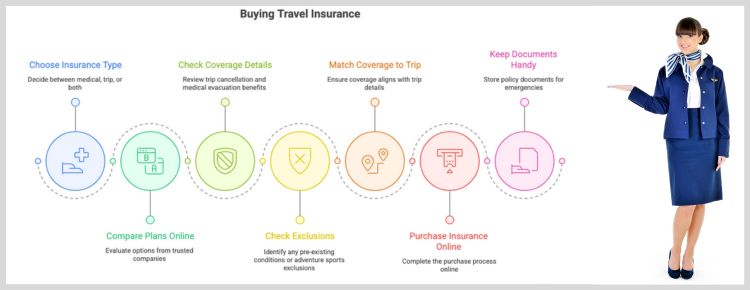
The multitude of options in travel insurance can be daunting, with each policy boasting different coverage levels, exclusions, and premiums. To select the best plan for your trip, start by understanding that medical coverage should be your foremost concern. Aim for a plan offering at least $200,000 to $250,000 in medical coverage, especially pertinent when traveling to countries with steep healthcare expenses. This ensures that unexpected illnesses or injuries won’t translate into financial hardship.
Beyond medical protection, emergency evacuation coverage is crucial. Whether hiking in remote wilderness or visiting countries prone to natural disasters, coverage up to $300,000 for evacuation can prevent catastrophic expenses. Additionally, confirm whether your policy covers repatriation to your home country or merely transfer to the nearest adequate facility. If repatriation is critical for peace of mind, complement your insurance with medical transport memberships like Medjet, which specialize in ensuring safe patient transfers globally.
Incorporate coverage for trip cancellations, interruptions, and lost or delayed baggage, especially if your itinerary includes multiple prepaid bookings and valuable equipment. Providers such as Travelex Insurance and AXA Travel Insurance often excel in these areas, accommodating a broad spectrum of travel scenarios. Finally, assess the inclusiveness of 24/7 customer support—a crucial resource when navigating emergencies overseas.
Tailoring Insurance to Your Travel Style and Activities
Your destination and the nature of activities planned significantly influence the type of coverage you need. If your itinerary includes high-adrenaline adventures like skiing, scuba diving, or hiking in remote regions, prioritize policies that explicitly cover adventure sports. Not all plans offer this without an additional premium, so ensure you verify and opt for relevant riders to stay protected.
Cruise travelers should consider specialized policies that address unique risks such as missed ports or onboard medical emergencies. Companies like Travel Guard offer tailored coverage ensuring your journey remains safeguarded against cruise-specific contingencies.
Moreover, if your trip involves lengthy stays or multiple stops, consider comprehensive plans that bundle medical insurance, trip interruption protection, and baggage coverage under one policy. This approach simplifies management and ensures you’re covered across diverse circumstances without needing multiple insurance contracts.
Understanding Coverage Limitations and Exclusions
Every insurance policy carries exclusions and limits that must be understood to avoid unpleasant surprises. Commonly excluded are accidents related to alcohol or drug use, incidents from extreme sports without additional coverage, theft caused by negligence, and losses stemming from civil unrest without official evacuation orders. Pre-existing medical conditions are typically not covered unless explicitly added to your plan.
It’s critical to carefully read the fine print or consult customer service to clarify such exclusions. This vigilance prevents disappointments like discovering that a claim for a slipped disc during a hiking expedition isn’t eligible because the activity wasn’t covered under your basic plan. Understanding these nuances is key to choosing a policy that genuinely meets your needs rather than one that falls short in emergencies.
Maximizing Value: Balancing Cost and Protection
While it may be tempting to opt for the cheapest plan, remember that travel insurance is an investment in security. The industry norm suggests spending between 4% and 10% of your total trip cost on insurance, depending on destination, trip length, and age. Selecting a higher coverage limit with a moderate deductible often proves more beneficial than cutting corners for a lower premium.
Platforms like InsureMyTrip and Squaremouth offer comparison tools that help identify plans balancing affordability with comprehensive benefits. By comparing provider reputations, coverage depth, and claim processing track records, you ensure your choice provides both financial safety and smooth assistance when needed most.