Iceland captivates travelers with its endless contrasts—from fiery volcanoes to icy glaciers and from the ethereal Northern Lights to the midnight sun. The choice of when to visit significantly shapes your experience of this mesmerizing island. Each season offers a distinct palette of natural spectacles and cultural festivities, creating opportunities for every kind of explorer. Whether your heart is set on whale watching under endless daylight or witnessing the elusive aurora borealis dance across winter skies, timing your journey to Iceland is key. This guide reveals how seasonal shifts can turn your trip into an unforgettable adventure, blending pristine landscapes, cultural vibrancy, and serene solitude.
En bref :
- Summer presents the most accessible and lively period, offering long days, mild weather, and abundant wildlife.
- Winter draws fewer tourists, is ideal for Northern Lights sightings, and transforms landscapes into snowy wonderlands.
- Shoulder seasons in spring and fall balance fewer crowds with fascinating natural displays and cultural events.
- Booking accommodations and flights through platforms like Booking.com and exploring tour options via Guide to Iceland can optimize your travel plans.
- Local insights from National Geographic Travel and Travel + Leisure underline the appeal of each season’s distinct charm.
Discovering Iceland’s Summer Magic: When Accessibility Meets Festival Spirit
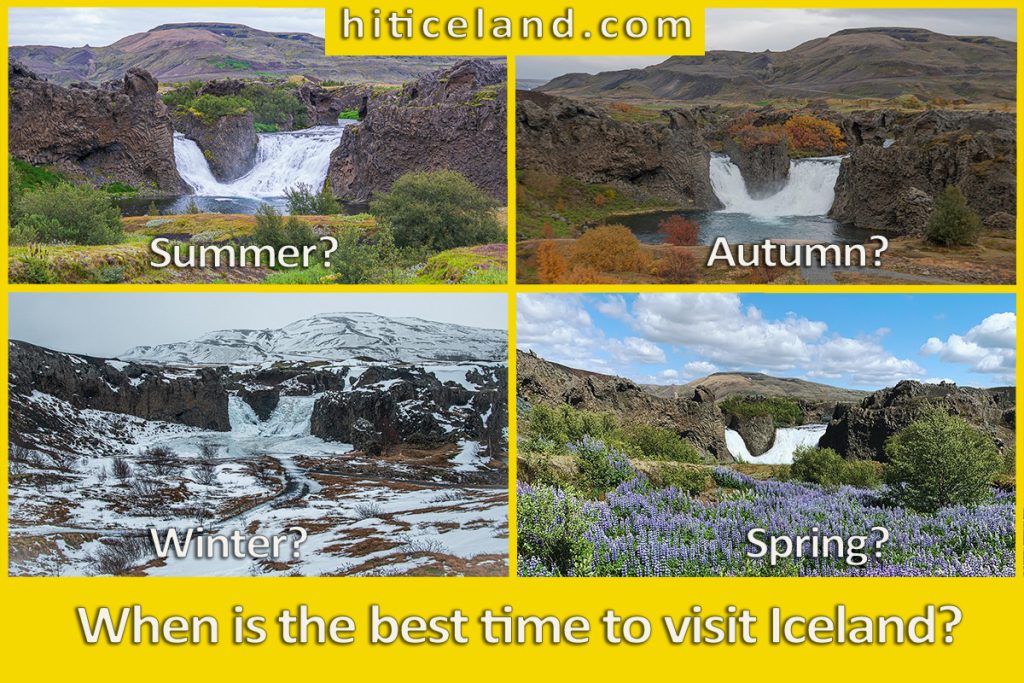
Summer stands as the crown jewel of Iceland’s tourism calendar, much like a vibrant painting coming to life under the Arctic sun. From June to August, temperatures hover around a comfortable 12°C (53°F), inviting visitors to explore regions often shrouded in inaccessibility during colder months. The gentle warmth and reduced rainfall enable adventurers to hike the highlands, traverse the Golden Circle, and dive into the Blue Lagoon’s restorative waters without hindrance.
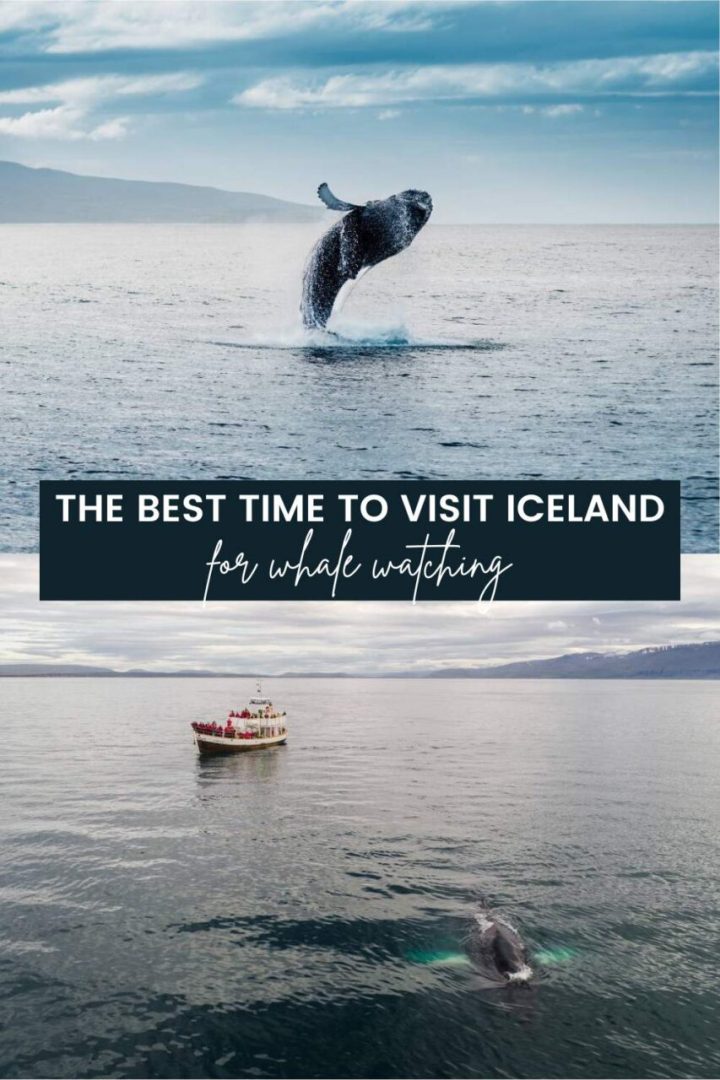
This season also marks the reign of the midnight sun, a celestial phenomenon where daylight stretches across the entire day and night. The extended hours mean more time to immerse in Reykjavik’s dynamic festivals such as the Reykjavik Arts Festival and the colorful Reykjavik Pride. Wildlife encounters multiply as puffins nest and whales journey close to shore. Travel experts from sources like Lonely Planet and Flight Centre emphasize that these experiences make summer the quintessential Icelandic adventure.
Finding Tranquility in Shoulder Seasons: April-May and September-October
Spring and autumn offer a delicate balance of emerging life and falling foliage with fewer tourists to share these moments. Temperatures remain cool but bearable, creating perfect conditions for intimacy with Iceland’s raw landscapes. The lively spring brings sheep-herding festivities, while autumn’s crisp air sets a perfect stage for Reykjavik’s cultural calendar, including the iconic Iceland Airwaves music festival.
Nature’s palette shifts dramatically with blooming lupines in May and golden fall colors in October, providing both solitude and inspiration. Moreover, these shoulder seasons are ideal for travelers seeking serenity and authentic encounters without the summer crowds. Booking.com users often find great deals during these months, making it an affordable yet enriching period for discovery.
Winter Wonders: Embracing Iceland’s Icy Majesty
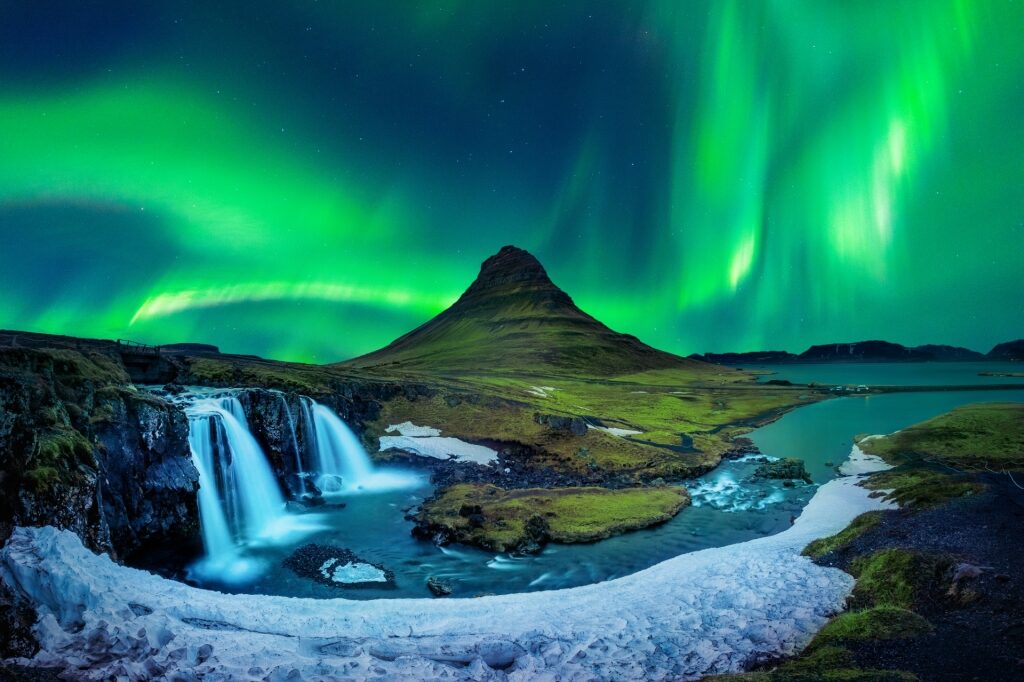
Winter shrouds Iceland in a quiet, ethereal beauty few other places can replicate. Though weather challenges abound, the white landscapes and frozen fjords create a pristine canvas for unique experiences. Average temperatures hover around freezing, but it’s the chance to witness the Northern Lights that draws many to brave the season’s chill.
The harsh climate renders popular interior roads impassable, but guided tours and snowmobile excursions open new dimensions of Icelandic wilderness. Icelandair offers flights year-round, and savvy travelers use platforms like Expedia and Tripadvisor to plan winter adventures with confidence. Despite shorter daylight hours and unpredictability, there is a profound magic in Iceland’s winter silence that Travel + Leisure highlights as unforgettable.
Strategizing Your Visit: Balancing Cost, Weather, and Crowds
Choosing the right time to visit depends on what kind of Icelandic story you want to write. If affordability tops your list, winter months from November to March deliver lower prices on accommodations and flights, with discounts often reaching 50%. Yet, adventurous spirits may prefer the bustling summer high season, when all services are operational and the capital buzzes with energy.
Spring and autumn serve as the perfect compromise, unfolding their own unique offerings with fewer crowds. Platforms such as Secret Escapes and Booking.com offer valuable insights and deals for these periods. Moreover, cultural enthusiasts can enrich their itinerary by referencing National Geographic Travel’s tips on local traditions and seasonal activities, making each visit deeply rewarding. Unlock the secrets of timing with expert advice from Guide to Iceland and trusted travel resources to tailor your ideal journey.