
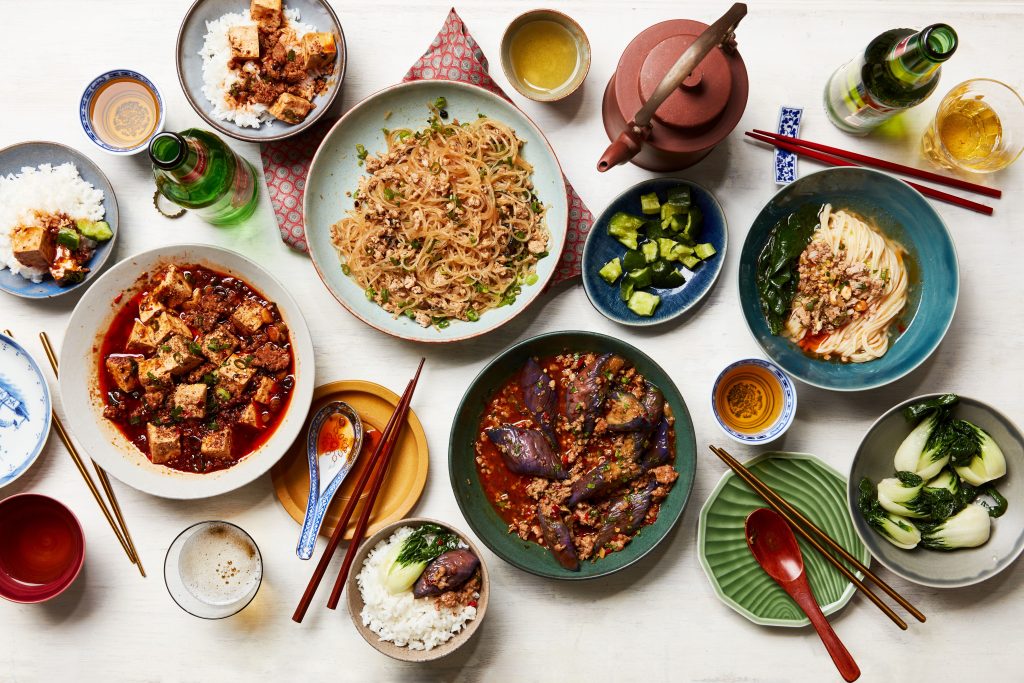
Exploring China’s culinary landscape is an immersive journey into a world where food is not merely sustenance but a living canvas of history, culture, and community. With roots extending over 5,000 years, Chinese cuisine offers a mosaic of flavors reflecting its vast geography and rich traditions. Finding authentic local dishes goes beyond popular tourist spots—it requires stepping into quiet streets, humble eateries, and bustling markets where recipes have been lovingly passed down through generations. In 2025, culinary adventurers continue to seek these genuine tastes, using platforms like Dianping and OpenRice to navigate the vibrant food scene backed by local reviews and insider knowledge. Whether drawn to the fiery zest of Sichuan or the delicate dim sum of Guangdong, embracing local dining customs invites travelers to forge connections that nourish both body and soul.
In brief:
- China’s authentic cuisine is deeply linked to cultural heritage and family traditions, best experienced away from tourist-centric eateries.
- Regional diversity shapes distinct food styles, from northern wheat-based staples to the seafood-rich dishes of the south.
- Engagement in local food tours enhances understanding of culinary traditions and reveals hidden gems beyond the guidebooks.
- Platforms like Dianping, TripAdvisor, and the China Guide empower visitors with real-time insights to discover genuine culinary experiences.
- Immersive food experiences in China go beyond eating—they open windows into life, history, and community bonds.
Unearthing Authenticity: Where True Chinese Flavors Reside
The essence of authentic Chinese cuisine is rooted in tradition, local ingredients, and meticulous cooking methods often handed down within families. While many global Chinese restaurants offer familiar dishes, they rarely capture the full depth found within China itself. Authentic meals often come from no-frills establishments—small roadside stalls, family-run eateries, or local markets where chefs prepare dishes with decades of inherited skill. Platforms such as Dianping and OpenRice in 2025 remain invaluable tools for navigating this rich culinary tapestry, drawing on trustworthy reviews from locals who champion their neighborhood favorites over tourist traps.
How Local Food Culture Defines Authenticity
Consider the humble hong shao rou, or red-braised pork, which at home is a deeply personal recipe often slow-cooked with locally sourced spices and clay pots to enhance flavor. Outside China, such dishes can lose their soul in translation. Authenticity emerges not just from ingredients but from the way dishes marry history, environment, and familial affection. Tasting food at a street vendor in Chengdu or a teahouse in Guangzhou conveys a genuine narrative that upscale adaptations seldom capture. Tools like The China Guide and Eater China in 2025 provide comprehensive insights on these authentic culinary hotspots that travelers might otherwise overlook.
Sampling China’s Regional Culinary Wonders
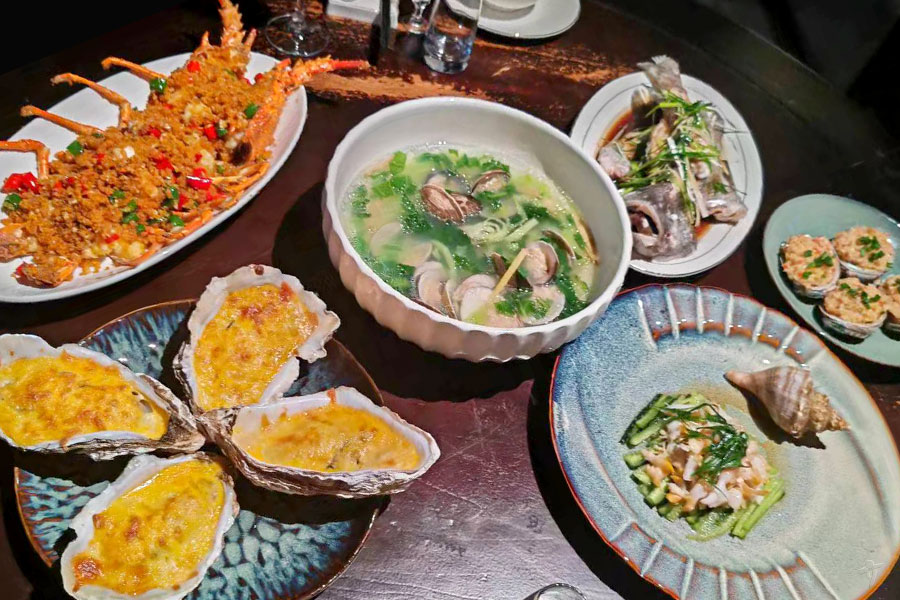
China’s vast landscape fosters a spectacular array of regional cuisines, each telling its own story through distinctive ingredients and cooking techniques. From the hearty wheat-based dishes typical in the north to the delicate, seafood-rich plates of the south, every province offers a unique flavor palette. For example, Sichuan province’s fiery mapo tofu, known for its signature numbing peppercorn, contrasts sharply with the refined and subtly spiced Cantonese dim sum served leisurely over tea in Guangzhou. These gastronomic zones are more than just culinary curiosities—they are expressions of geography, climate, and cultural identity, best discovered in their native settings.
Exploring Signature Regional Dishes and Their Cultural Roots
Travellers can traverse the culinary landscape by focusing on regional highlights like Peking Duck in Beijing’s historic hutongs, Sichuan Hotpot’s fiery social feast, or Jiangsu’s elegant gourmet plates in Shanghai. Platforms like SmartShanghai and Time Out Beijing offer updated local guides to these experiences. Sampling Lanzhou hand-pulled noodles or the spicy delights of Hunan adds depth to the journey, especially when guided by expert-led food tours such as those from Untour Food Tours or Lost Plate. These excursions allow visitors to dive into local markets and kitchens, witnessing food preparation and savoring flavors that eloquently tell of the region’s heritage.
Navigating Local Food Tours for an Immersive Taste of China
Joining a local food tour provides unparalleled access to genuine culinary experiences with the added benefit of cultural context and insider tips. Cities like Beijing, Xi’an, and Chengdu are popular hubs where seasoned guides unveil culinary secrets hidden behind well-trodden tourist routes. These tours are gateways into local markets, humble noodle stalls, and vibrant night bazaars, making it easier for travelers to trust in real flavors and stories. Review sites such as TripAdvisor and Yelp complement these experiences by offering feedback from fellow travellers, helping to identify the best routes and eateries to explore authentic Chinese gastronomy.
Connecting with Locals Through Food
Food in China is a universal language that bridges cultures and generations. Sharing a meal with locals, whether it’s enjoying spicy jianbing on a morning street corner or being invited to taste homemade pickles in the countryside, fosters a sense of belonging and warmth. These moments, often found through the guidance of trusted tour operators and well-regarded local apps, resonate far beyond the taste buds and leave lasting impressions of China’s soul.