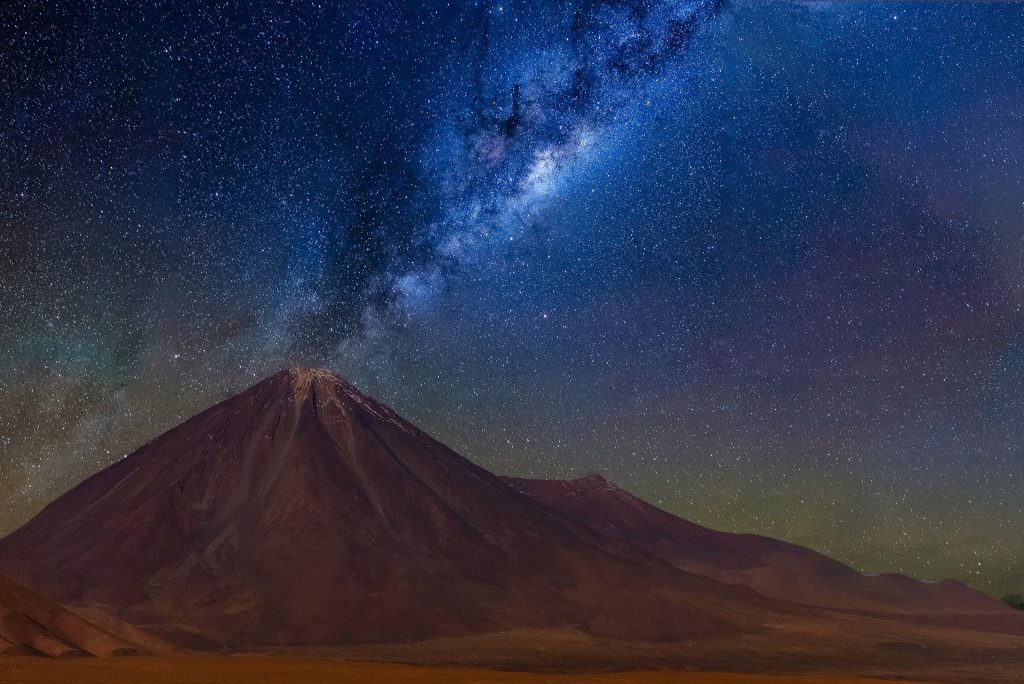
In an age where light pollution dims the night sky for many, seeking out places where the stars brighten the heavens remains a deeply inspiring pursuit. Across the globe, remote landscapes and protected reserves offer refuge from the artificial glow of cities, inviting travelers to reconnect with the cosmos. These destinations not only showcase breathtaking celestial views but also highlight efforts in conservation and cultural appreciation, standing as beacons for those who yearn to witness the universe’s grandeur in its purest form. Whether it’s the high deserts of Utah or the pristine wilderness of New Zealand’s South Island, each site tells a unique story of nature, science, and tradition intertwined.
En bref:
– Light pollution grows by 10% annually, making dark sky refuges increasingly vital.
– Utah leads with 24 certified International Dark Sky Places, perfect for pristine views.
– Chile’s Elqui Valley combines scientific infrastructure and exceptional clarity for stargazers.
– New Zealand’s South Island and Rakiura offer vast dark reserves with cultural and natural richness.
– Namibia’s NamibRand Nature Reserve controls vehicle light to preserve its Gold Tier Dark Sky status.
– Emerging astro-tourism sites in Uzbekistan, India’s Ladakh, and Tanzania mix astronomy with community conservation.
– Luxury resorts like those in Saudi Arabia’s Red Sea Global development uphold strict dark sky standards while blending comfort and education.
Where to See the Brightest Stars: Top International Dark Sky Places for Stargazing
The quest for the unspoiled cosmos draws enthusiasts to some of the planet’s most remote, elevated places, where human-made light fades into the background. Utah’s unique landscape, renowned for its dry air and high-altitude deserts, has become a particularly rare jewel for stargazers. Hosting 24 International Dark Sky Places—the highest of any state—Utah offers a blend of accessibility and solitude. Popular spots like Zion and Arches National Parks buzz with visitors during star events, but the quieter Canyonlands and Bryce Canyon National Parks provide a more intimate experience of the constellations. These parks regularly host stargazing programs enhanced by expert insights, linking visitors to cosmic wonders through powerful telescopes from trusted names like Celestron and Unistellar.
The Cosmic Jewel of Chile: Elqui Valley’s Astronomical Sanctuary
High above the clouds in north-central Chile, Elqui Valley’s dry climate and minimal light pollution create idyllic nighttime skies that have earned it the prestigious International Dark Sky Sanctuary status. Home to more than half of the Earth’s astronomical infrastructure, including the Vera C. Rubin Observatory, this region blends cutting-edge science with celestial spectacle. Visitors can explore the observatories, such as Cerro Mamalluca, offering guided tours with astronomers who share vivid stories of the stars and planets. The area attracts global astronomy enthusiasts and offers a unique opportunity to experience stargazing reinforced by innovations and discoveries highlighted in publications like Astronomy Magazine and Sky & Telescope.
New Zealand’s South Island and Rakiura: A Maori Cultural Starry Sanctuary
The South Island of New Zealand, also called Te Waipounamu, stands as a haven for stargazing, boasting some of the lowest levels of light pollution worldwide. The Aoraki Mackenzie International Dark Sky Reserve, one of the largest of its kind, invites visitors to immerse in pristine nighttime views and learn about indigenous Maori sky lore through programs led by groups like the Dark Sky Project. Mount John Observatory offers guided stargazing tours that beautifully blend astronomy with cultural education, showcasing an ancient connection to the heavens. Down south, the remote Rakiura (Stewart Island) offers rare views of the Aurora Australis, enhancing the mystique of night sky exploration.
Namibia’s NamibRand Nature Reserve: Preserving Dark Skies and Desert Ecosystems
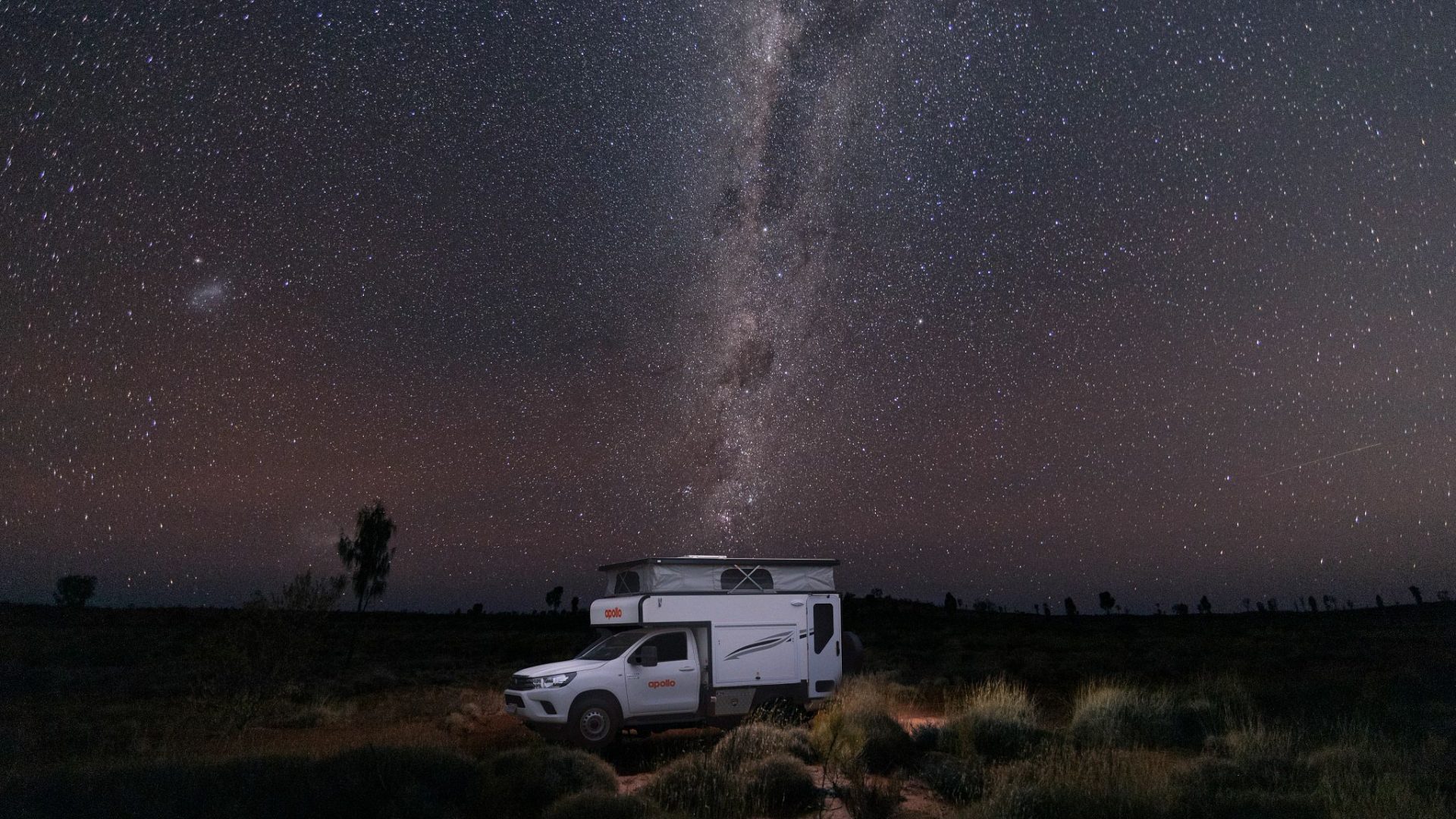
Recognized as a Gold Tier International Dark Sky Reserve, Namibia’s NamibRand Nature Reserve features some of the darkest and most spectacular skies on the planet. This status comes with stringent measures to protect its delicate desert ecosystem by regulating vehicle headlight use, preserving the nocturnal environment not only for human observers but for wildlife as well. Lodges such as Kwessie Dunes and Wolwedans offer immersive astronomical safaris, combining wilderness adventure with detailed astronomy programs. Many visitors relish the chance to sleep under open skies, making their stays deeply memorable and intimate with the cosmos. This destination exemplifies how high-end travel can align with conservation priorities, supported by expert astronomical gear like that from National Geographic Expeditions and Astro Expeditions.
Astro-Tourism Beyond the Familiar: Emerging Destinations for the Passionate Stargazer
Beyond the established parks and reserves, emerging astro-tourism destinations showcase how astronomy can intertwine with community building and environmental stewardship. In Uzbekistan, the dark skies of Samarkand invite visitors to trace the footsteps of medieval astronomer Ulugh Beg, whose ancient observatory still inspires. Touring remote yurt camps near the Aral Sea, travelers support ecological awareness in this recovering environment. India’s Ladakh region offers home stays with telescopes in the high Himalayas, where guests can partake in stargazing alongside Buddhist monks in centuries-old monasteries. This collaboration empowers local women through training as stargazing guides, blending cultural heritage with modern exploration. Meanwhile, Tanzania’s Ruaha National Park provides spectacular, unpolluted skies alongside nocturnal wildlife observation, supported by equipment like night-vision gear for citizen science projects aimed at species conservation.
Luxury Meets Cosmic Wonder: The Red Sea Global Dark Sky Development in Saudi Arabia
The ambitious Red Sea Global development in Saudi Arabia marries eco-conscious luxury with celestial exploration by aiming to establish the world’s largest dark sky reserve. The minimalistic resorts, including the prestigious Six Senses Southern Dunes, adhere to stringent lighting guidelines to protect biodiversity and night sky visibility. Visitors can enjoy astronomy programs that intertwine the Arabian Peninsula’s rich astronomical heritage with modern stargazing experiences. This initiative exemplifies how space tourism companies like VIRGIN Galactic and adventure outfitters such as Intrepid Travel – Stargazing Tours are inspiring a new generation to engage with the natural night sky in sustainable, unforgettable ways.