
Japan unfolds as a land where tradition and modernity harmoniously intertwine, inviting travelers to immerse themselves in a culture that treasures respect, humility, and social harmony. As the country continues to welcome an influx of visitors in 2025, grasping the nuances of Japanese etiquette becomes not just a courtesy but a gateway to richer experiences. Whether you find yourself bowing in a bustling Tokyo street or sharing a meal steeped in ancient customs, understanding the subtle behaviors and rituals of Japan allows for a deeper connection with its people and profound respect for its time-honored values.
Embarking on a journey to Japan means stepping into a society where every interaction reflects an unspoken commitment to harmony, known as wa. This principle shapes daily encounters, dictating the art of bowing, the careful exchange of gifts, and the mindful enjoyment of meals. Foreign visitors often discover that patience and attentiveness are rewarded with welcoming smiles and sincere appreciation. Yet, navigating these customs requires mindfulness—picking up on subtle cues, embracing the importance of punctuality, and respecting hierarchical structures reveals a culture that values dignity and collective well-being above all.
Essential Cultural Etiquette to Embrace Before Traveling to Japan
Visitors who come prepared to embrace Japan’s unique cultural framework often find their time enriched by genuine interactions and heartfelt hospitality. The country’s emphasis on respect manifests in every aspect—from greetings to dining, and even gift-giving—each carrying symbolic weight and historical resonance. Adapting to these customs not only avoids common faux pas but also opens doors to cherished local experiences.
For example, removing shoes before entering homes or traditional inns, a practice rooted in cleanliness and reverence, may seem simple but carries deep significance. Likewise, bowing as a greeting transcends mere politeness; it’s a humble expression of acknowledgment and respect. Understanding when a slight nod suffices versus a deep bow marks nuanced social intelligence appreciated by locals. Including thoughtful gestures like these allows visitors to move beyond being mere observers to becoming active participants in the cultural narrative.

Mastering Social Interactions: The Art of Respectful Greetings and Punctuality
In Japan, greetings form the cornerstone of social etiquette, underscoring the cultural priority placed on respect and harmony. Bowing remains the quintessential gesture, with its depth and duration precisely tailored to the context. While handshakes have grown more common in business environments due to global influences, a sincere bow often resonates more deeply as a sign of cultural appreciation.
The exchange of business cards furnishes another telling example of formality and respect. Offering and accepting cards with both hands, carefully studying the information before putting them away, signals attentiveness and honor towards the individual and their role. Such rituals may appear technical, but they help build trust and ease communication, especially in professional settings.
Another pillar of social manners is punctuality. In a society famed for its precision and efficiency, arriving late—even by a few minutes—can be perceived as disrespectful. Communicating delays promptly is critical to maintaining good relations. This respect for others’ time epitomizes Japan’s collective mindfulness and consideration.
Dining with Grace: Unlocking the Secrets of Japanese Table Manners and Communal Respect
Sharing a meal in Japan transcends sustenance; it is a ritual imbued with cultural values. The correct handling of chopsticks is essential; for instance, refraining from piercing food or sticking chopsticks vertically into rice prevents unintended associations with funerary rites, signifying the visitor’s cultural sensitivity.
Expressing gratitude before and after meals—through the phrases itadakimasu and gochisousama deshita—reaffirms appreciation for the food and the effort behind it. Slurping noodles, contrary to many Western customs, is regarded positively, signaling enjoyment and respect for the chef’s craft.
Equally important are the social dynamics around pouring drinks. Serving others before oneself fosters a harmonious atmosphere, highlighting the communal ethos deeply rooted in Japanese society. Awareness of such nuanced behaviors ensures that dining becomes a shared celebration of respect.

Gift-Giving Traditions: Thoughtfulness Beyond the Present
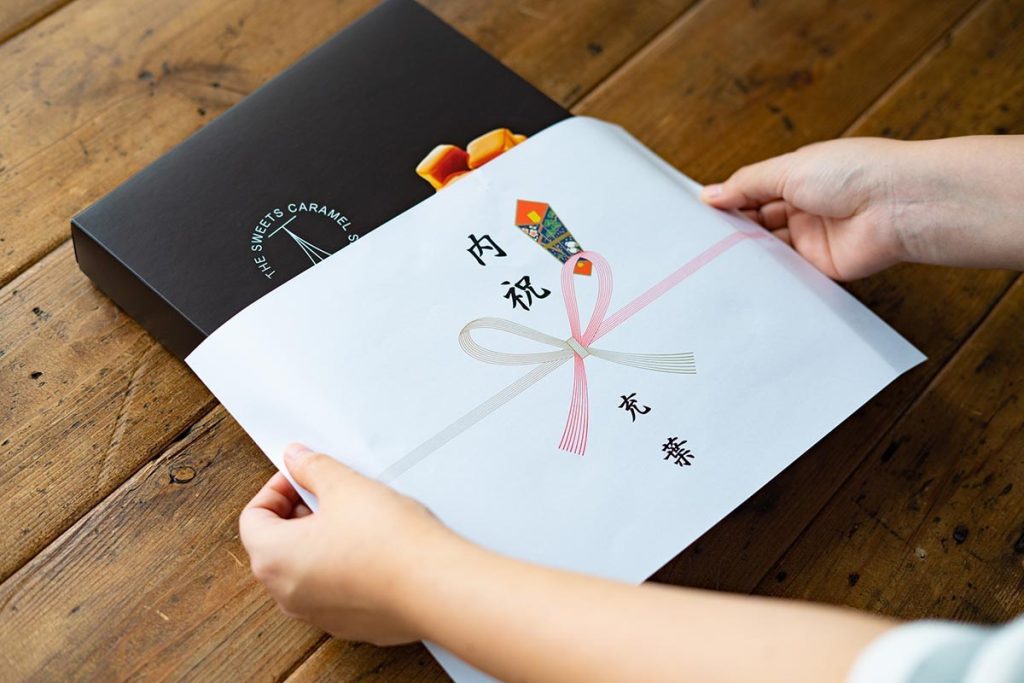
Gift-giving in Japan is not just a transaction but a meaningful expression of gratitude and relationship-building. The care taken in gift selection and presentation surpasses monetary value, embodying the giver’s respect and sincerity. Beautifully wrapped items, offered and received with both hands, transform the act into a solemn ritual of appreciation.
Avoiding unlucky items and numbers, such as sets of four or sharp objects, reflects an intricate awareness of cultural symbols. Visitors may find delight in presenting regional specialties or modest gifts when invited into homes, signaling goodwill and cultural sensitivity.
Seasonal and business occasions also highlight gifting’s pivotal role in nurturing connections. Understanding these practices enhances interactions, turning seemingly simple acts into powerful gestures that transcend language barriers.
Immersing in Japanese Customs: From Temples to Everyday Harmony
Japan’s customs extend beyond formal events into daily rituals that emphasize balance and respect. Visiting temples involves purification through washing hands and mouth, followed by precise offering gestures to honor spiritual traditions. Participating quietly and respectfully in these settings deepens appreciation of Japan’s spiritual heritage.
Daily life also reflects a profound commitment to harmony, where maintaining face and showing humility prevent conflict and foster smooth interactions. Practices such as removing shoes indoors and dressing modestly during festivals reflect this underlying ethos.
From the solemnity of funerary customs to the joyful celebrations of seasonal festivals, embracing these traditions allows visitors to partake in Japan’s living cultural tapestry rather than remain outsiders looking in.
For travelers eager to navigate Japan’s social landscape with confidence, resources such as Etiquette Guide to Japan offer valuable insights. Supplementing personal experiences with knowledge from platforms like Lonely Planet, Culture Trip, and InsideJapan Tours enriches understanding and enhances the quality of travel interactions, making every moment in Japan both respectful and unforgettable.