
Embarking on a trek through the Himalayas is an exhilarating endeavor that calls for meticulous preparation. The lofty peaks and unpredictable mountain climate demand more than just physical resolve; having the right gear tailored to this environment elevates a journey from mere survival to an inspiring adventure. As explorers ready themselves to traverse paths near Everest or venture through the Annapurna Circuit, comprehensive planning and smart packing serve as the foundation of success.
Equipping oneself with top-tier trekking essentials from reputable brands like The North Face, Patagonia, and Salomon transforms the trekking experience. From backpacks designed by Osprey and Deuter to the robust hiking boots of Columbia and Marmot, each item plays a vital role in ensuring safety, comfort, and endurance. Understanding how to layer clothing effectively, choose smart footwear, and pack essential accessories safeguards explorers against the Himalayas’ challenging weather, terrain, and altitude.
Moreover, preparing for altitude sickness, securing crucial permits, and maintaining hydration through practical knowledge, such as insights found in guides on how to stay hydrated during travels, enhance one’s readiness. Leveraging resources that also cover aspects like packing hacks or stress-free travel strategies can drastically improve the trekker’s journey, blending adventure with prudence.
This article unfolds a carefully crafted checklist and actionable advice for trekking essentials in the Himalayas. It is designed for both first-time adventurers and seasoned hikers, ensuring every trekker sets forth with confidence and respect for the majestic wilderness ahead.
In brief:
– Smart layering with thermal, fleece, and waterproof outerwear is key to adapting to the shifting Himalayan climate.
– Quality footwear that offers protection and traction, such as Salomon’s trekking boots, is indispensable.
– Invest in reliable backpacks from brands like Osprey or Deuter, including a main pack and a versatile daypack.
– Personal hygiene and first aid must not be overlooked; essential items preserve well-being on the trail.
– Accessories like trekking poles, UV-protection sunglasses, and headlamps elevate safety and comfort.
– Altitude acclimatization and hydration strategies are crucial for health in high elevations.
– Minimizing weight by avoiding bulky clothing and gadgets ensures agility and ease.
– Secure and carry valid documentation and permits to navigate local regulations smoothly.
Choosing the Ideal Backpacks and Organizing Your Gear for Himalayan Treks
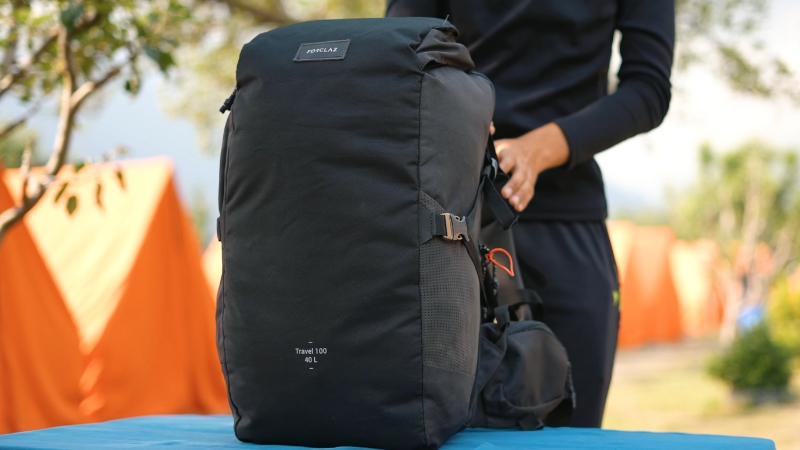
Optimal backpack selection underpins the success and enjoyment of any Himalayan expedition. A backpack between 50 to 70 liters, such as those expertly crafted by Deuter or The North Face, provides ample space for clothing, gear, and supplies, while maintaining ergonomic support to reduce strain. Features like padded straps, adjustable hip belts, and rain covers become essential against the rugged mountain environment.
Complementing the main pack, a smaller daypack with a capacity of 10 to 20 liters proves indispensable for summit days and shorter excursions. It readily carries hydration bladders, snacks, layered clothing, and essential gadgets. Organizers such as waterproof dry bags or packing cubes neatly segregate items, protecting them from moisture and simplifying access during the trek. Using techniques shared in comprehensive packing guides ensures efficiency and lightness, aligning with expert advice on the best backpack for trip scenarios.
Mastering Layered Clothing Techniques for Extreme Himalayan Weather
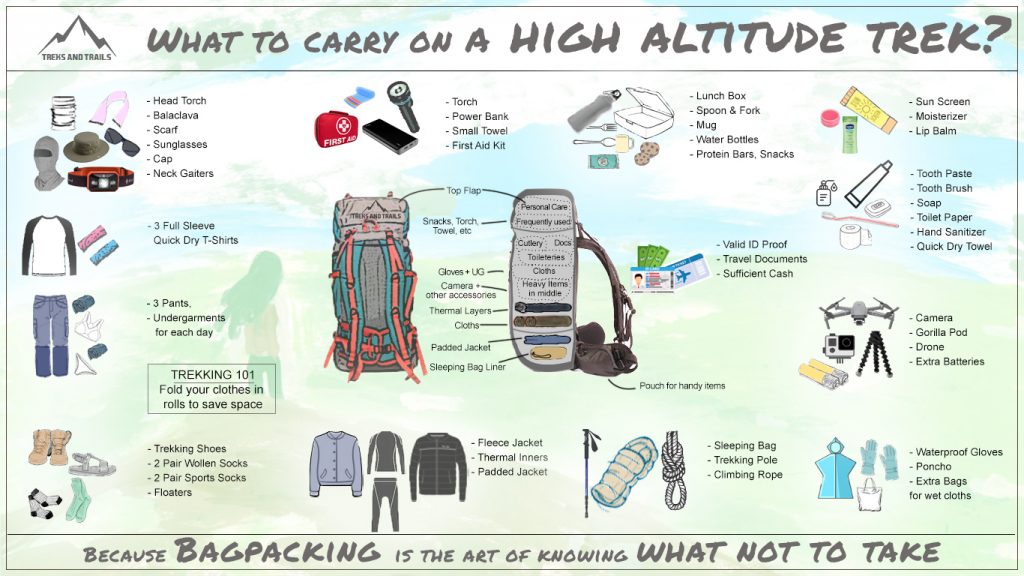
Mastering the art of layering is paramount in the Himalayas, where rapid weather changes can turn a sunny morning into a freezing night. Base layers crafted from quick-dry materials, including thermal tops and bottoms, form the foundation, preserving warmth and wicking moisture. Brands like Patagonia and Rab excel in crafting breathable, insulating midlayers such as fleece jackets and wool pullovers that retain heat while allowing ventilation.
The outer layer must be both windproof and waterproof to withstand rain and snow—qualities found in garments from Columbia or Marmot. Trekking pants should offer flexibility and thermal protection in cold evenings, complemented by accessories like insulated gloves and woolen caps that shield against the biting winds. Avoiding cotton is critical, as moisture retention can cause chill and discomfort. These principles echo smart packing strategies advocated for Himalayan adventures.
Selecting Footwear That Endures the Himalayan Terrain
The rugged Himalayan terrain demands footwear that offers durability, protection, and comfort. High-ankle boots with waterproofing and sturdy soles, like those from Salomon or Black Diamond, provide critical support and grip on varied surfaces from rocky paths to snowy slopes. Properly fitted boots also prevent blisters that can jeopardize a trekker’s progress.
At campsites or after long days on the trail, lightweight camp shoes or sandals offer a welcome respite, aiding circulation and comfort. Additionally, gaiters shield the lower legs from snow, mud, and debris, a simple accessory that significantly enhances protection, especially in wet conditions. Testing your footwear pre-trip as advised in hiking preparation guides preserves foot health and readiness.
Personal Hygiene, Medical Preparedness, and Crucial Trekking Accessories
Maintaining hygiene in remote Himalayan settings is essential not only for comfort but for health. Carrying biodegradable soap, quick-dry towels, and high-SPF sunscreen combats the harsh mountain elements — crucial for skin and overall well-being. Additionally, a compact yet comprehensive first aid kit including altitude sickness remedies, band-aids, and antiseptic creams safeguards against unforeseen ailments.
Essential accessories such as waterproof headlamps, trekking poles from Black Diamond, and trusty hydration systems ensure safety and stamina during long hikes. Hydration is emphasized across travel wellness advice, and trekking with a minimum of two liters of water capacity is standard best practice. Power banks facilitate charging communication devices, ensuring connectivity, an aspect touched upon in guides exploring internet SIM tips abroad.