
When preparing for a journey, it’s easy to focus on the sights, the itinerary, and the excitement ahead, while overlooking a crucial element: a well-equipped travel first-aid kit. Picture standing on a remote beach in the Philippines, nursing a painful scrape, with no pharmacy in sight as dusk settles. This unsettling scenario underscores an essential truth for every traveler—being prepared with the right medical supplies can transform moments of vulnerability into confidence and calm. As travel becomes more adventurous and global in 2025, understanding how to pack a first-aid kit that suits your destination, lifestyle, and budget ensures you’re ready to face unexpected health challenges without stress.
En bref :
- Assembling a comprehensive travel first-aid kit is crucial for peace of mind on any trip, providing familiarity and security in unfamiliar environments.
- Essentials include painkillers like Tylenol and Advil, wound care items such as Band-Aid and Neosporin, and specialized medications like Imodium and Benadryl for digestive or allergic reactions.
- Customizing your kit based on destination—whether urban Europe, tropical islands, or mountainous adventures—and traveler profile, including female travelers and those with children, enhances safety.
- Smart packing strategies emphasize budget-conscious choices without sacrificing quality, plus the importance of documenting and safely storing your medications.
- Knowing regulations about carrying medications and sharp objects on flights avoids travel disruptions, and having a medicine passport simplifies healthcare abroad.
Crafting Your Essential Travel First-Aid Kit: A Necessity Beyond Band-Aids
Travel isn’t just about the thrill of new experiences; it’s about safeguarding your well-being amid unpredictability. As I once stood on a remote island, the absence of even a simple Band-Aid highlighted the gap between photo-ready adventure and real-life preparedness. A robust kit doesn’t need to be bulky but must be thoughtfully curated with potent, multipurpose items like Tylenol for headaches, Advil for inflammation, and Neosporin to speed up wound healing. These form the backbone against everyday ailments encountered abroad.
From Minor Cuts to Major Comfort: What Your Kit Should Never Lack
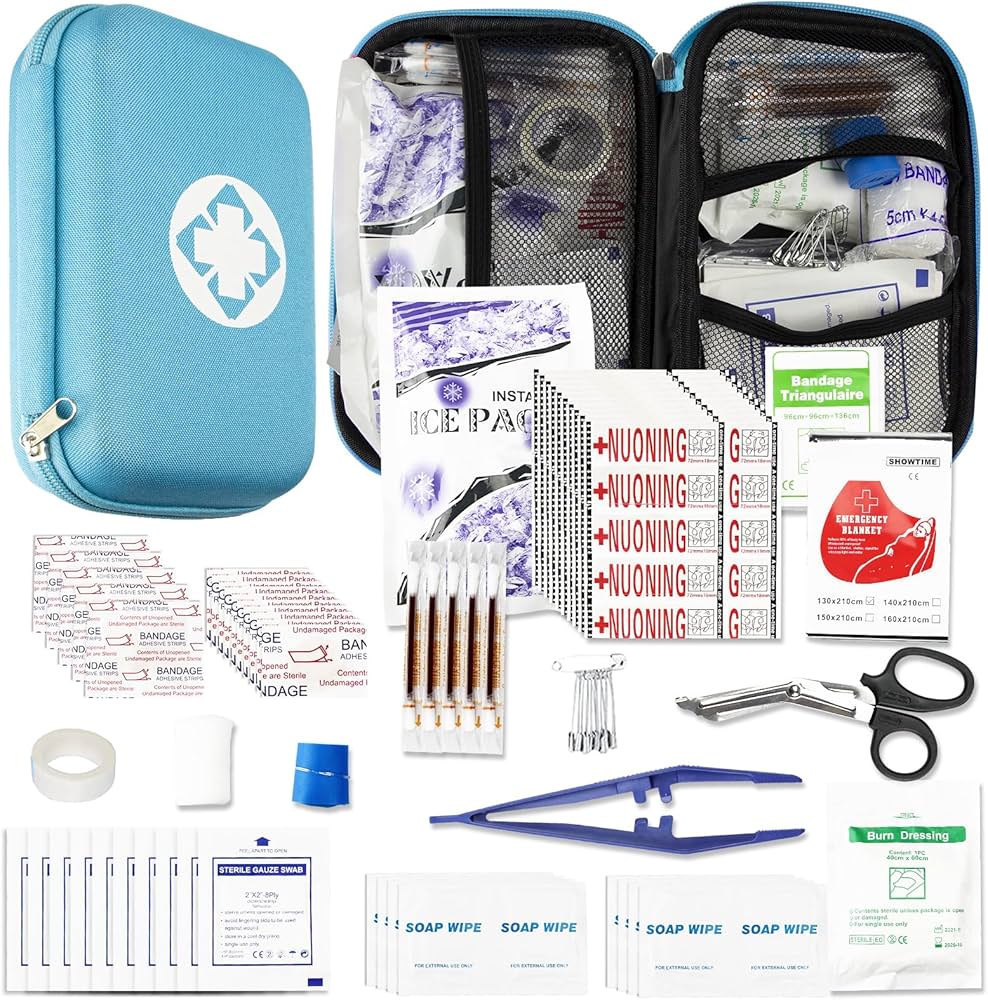
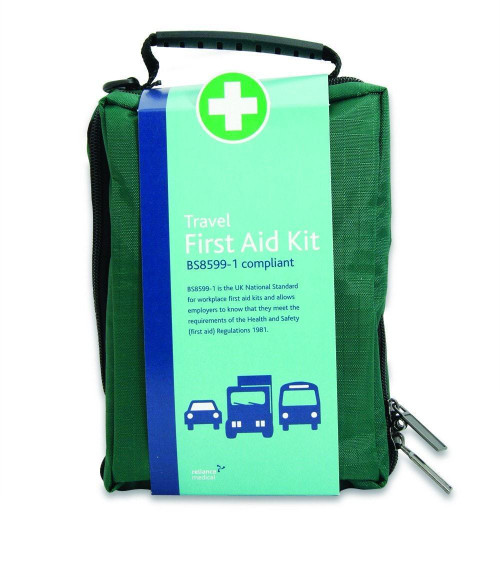
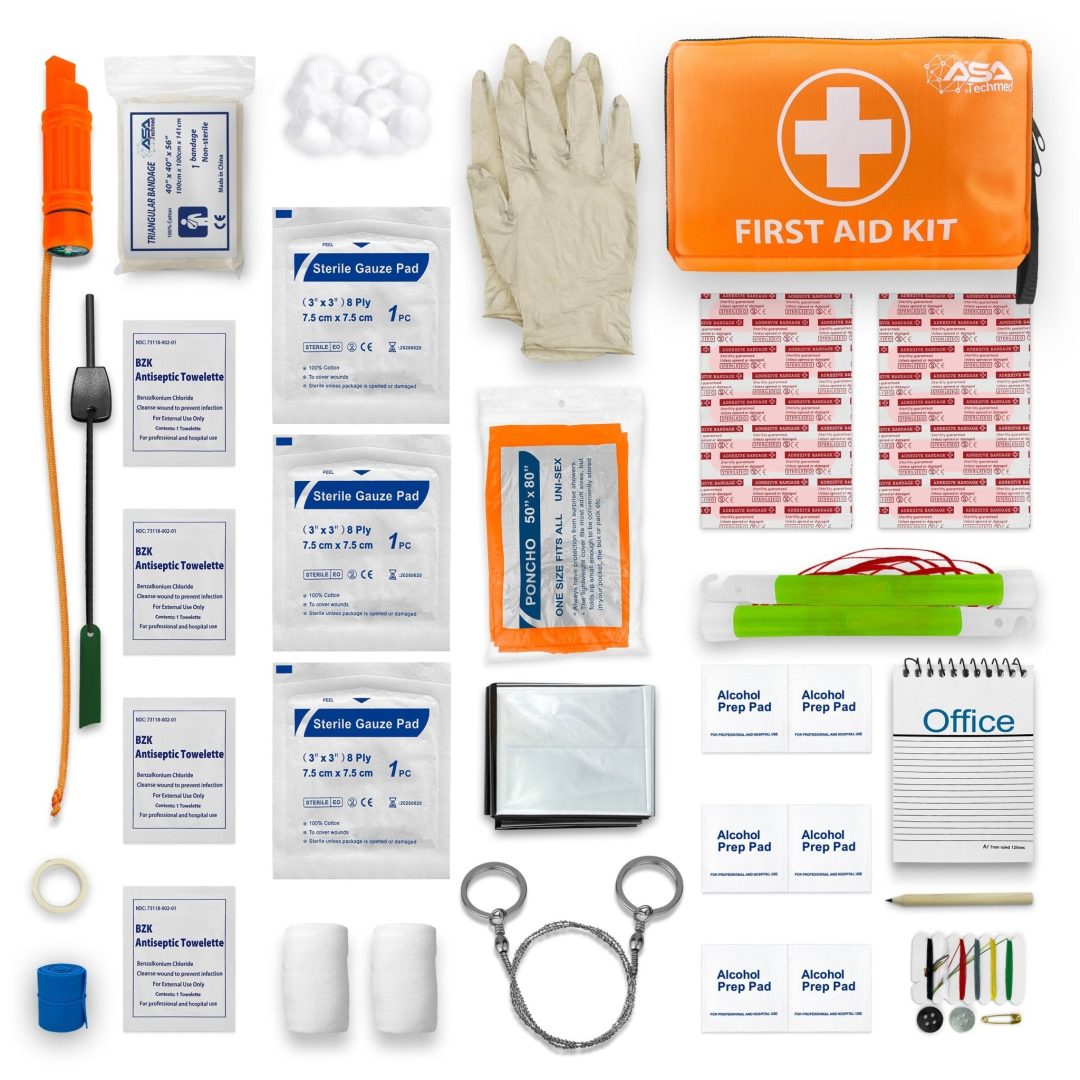
Wound care forms the heart of any travel first aid kit. Sterile gauze, disinfectants such as chlorhexidine or betadine, alongside Band-Aid plasters and blister protection, are indispensable. We often underestimate the frequency of minor scrapes, blistered feet, or insect bites that disrupt a journey’s joy. Applying a soothing layer of hydrocortisone cream can quell itching, while Benadryl tablets combat unexpected allergic reactions swiftly. Don’t forget a compact thermometer to monitor fevers early.
One unforgettable trek in the Himalayas emphasized for me the value of including specialized items like Dramamine to prevent motion sickness on winding trails. Planning for various activities and regional challenges—whether navigating crowded cities or remote terrain—is key to a kit’s success.
Tailoring Your First-Aid Kit to Travel Styles and Destinations in 2025
Each travel destination demands nuanced preparation. For urban explorers in Europe, a lightweight kit focusing on blisters and headaches suffices. Tropical journeys to remote islands call for DEET-based mosquito repellents and possibly malaria prophylaxis. Adventurous treks in the Himalayas or similar spikes require additional supplies such as altitude sickness medication and antibiotics prescribed by your doctor.
Families traveling with children should pack child-friendly painkillers, digital thermometers, and playful band-aids to ease discomfort. Female travelers might prioritize contraception and menstrual supplies, often scarce or expensive abroad. All these considerations are vital for maintaining health and comfort throughout your explorations.
Managing Medications and Safety Regulations While Traveling
Medication management demands foresight. Carry ample supplies plus extras for delays, and store critical drugs in separate bags to avoid total loss. A medicine passport, detailing all medications and allergies, bridges communication gaps with foreign healthcare providers and is a vital companion abroad.
Remember, controlled substances require medical certificates in multiple languages; organize these well before departure to avoid airport stress. Sharp objects like scissors must be packed in checked luggage, as security screening remains stringent. Adhere to liquid limits for medications in carry-on bags, ensuring access during flights for critical needs. For additional guidance on traveling with medications, the resource at travel emergencies abroad offers thorough advice.
Budget-Savvy Packing Tips for Assembling a Durable Travel First-Aid Kit
Quality doesn’t mean breaking the bank. Compare package sizes for cost efficiency, but match quantities to your trip length to avoid waste. Many essentials might already be waiting in your home medicine cabinet, sparing you extra purchases. Pharmacists often suggest affordable generic alternatives with equal effectiveness—guard against counterfeit meds by purchasing in trusted Western pharmacies when venturing to developing regions.
Also, consider multifunctional products like Purell hand sanitizer for hygiene on-the-go. A collection of small items weighing less than a few ounces, from Band-Aid blister strips to hydrocortisone cream tubes, can save you hours, stress, and medical expenses.
For practical tips specific to solo journeys, consult packing guides for solo travelers to optimize your load without compromising health safety.