Exploring Indigenous communities offers travelers a profound opportunity to engage with living cultures, histories, and traditions that have shaped regions for millennia. In 2025, more than ever, respectful travel requires an awareness of the diverse customs, sacred spaces, and social protocols that differ from one community to another. Far from monolithic, Indigenous peoples are vibrant and distinct, with languages and traditions that deserve recognition and thoughtful engagement. When entering these homelands, visitors must approach not only with curiosity but also with deep humility and preparedness. This includes understanding the significance of the land, acknowledging sovereignty, and honoring the identities and rights of Indigenous peoples as equal nations.
In an age where Indigenous tourism is gaining momentum as a route to economic empowerment and cultural exchange, travelers can contribute positively by seeking authentic experiences, supporting Indigenous-led initiatives, and committing to ongoing learning. From obtaining permission to visit, to using appropriate language, and respecting protocols surrounding photography and ceremonies, there is much to keep in mind. Genuine respect also encompasses small gestures — learning a greeting in the community’s language, participating graciously in events, and practicing patience during conversations with Elders. These considerations ensure that visits foster trust, preserve cultural integrity, and enrich both visitors and hosts alike.
In brief, key points to keep in perspective when planning and conducting visits to Indigenous communities include:
- Recognize Indigenous sovereignty and seek permission before entering lands or sacred sites.
- Learn about the specific customs, languages, and history of the community you are visiting.
- Support Indigenous-led projects and avoid engaging with unauthorized or non-Indigenous tourism operators.
- Respect communication styles and traditional protocols, especially regarding ceremonies and gift exchanges.
- Practice humility by listening more than speaking and showing genuine openness to learning and cultural exchange.
- Always ask permission before taking photos or recording and be mindful that some ceremonies or items may be too sacred for documentation.
- Participate respectfully in community events, including meals, observing local etiquette regarding offerings and sequences of serving.
Understanding the Foundations of Respectful Travel to Indigenous Countries
Visiting Indigenous communities transcends ordinary tourism; it is a journey that calls for cultural sensitivity and respect for sovereignty. Each Indigenous Nation has its distinct identity, governance structures, and protocols. Treating these Nations as equal partners and understanding your role as a guest is paramount. This respectful approach helps counter the stereotypes and misconceptions prevalent in mainstream narratives, as highlighted by Indigenous tourism experts across the United States and Canada. By recognizing the living presence of over 574 federally recognized tribes in the U.S. alone, and numerous Indigenous communities throughout Canada, travelers can avoid generalizations and appreciate the rich diversity they encounter.
Research ahead of time is essential. Tools such as interactive maps of Indigenous lands facilitate awareness of the specific territories you enter. Knowing whose land you step onto deepens the travel experience and honors the stewardship that Indigenous communities maintain. Immersive travel experiences like this foster awareness and build empathy, essential for forging genuine connections rather than superficial encounters.
Preparation and Planning: Communication and Cultural Awareness
The most meaningful visits begin long before setting foot on Indigenous lands. Proper planning involves more than booking flights and accommodations; it includes engaging with community leaders to obtain permission, collaboratively scheduling visits, and understanding local priorities and sensitivities. Communication style varies widely among Indigenous Nations — some favor directness, others appreciate reflective pauses or indirect answers — which calls for a keen cultural attunement to avoid misunderstandings during meetings or events.
Language choice is critically important. Terms like “stakeholder” or “client” can be offensive, as Indigenous peoples identify as Nations with inherent rights. Embracing respectful terminology and even learning basic greetings in the local language demonstrate appreciation and foster goodwill. This aligns well with broader travel advice on navigating language barriers, which emphasizes empathy and patience in cross-cultural communication.
Additionally, offering and receiving gifts within Indigenous cultures follows nuanced protocols. Travelers are advised to discuss gift exchanges with the community contacts beforehand to avoid faux pas and honor traditional practices. Sometimes, gifts symbolize deep respect and connection — such as the rare and meaningful Eagle feather — underscoring the importance of sensitive and informed preparation.
Honoring Traditions, Ceremonies, and Social Etiquette in Indigenous Settings
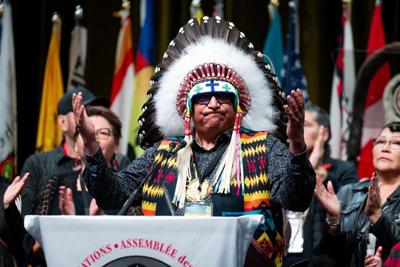
Engagement during visits should be guided by a respectful awareness of local customs, particularly surrounding spirituality and social interactions. Ceremonies like smudges or prayers often open meetings, and while participation may not always be obligatory or aligned with personal spiritual beliefs, showing reverence by observing quietly is essential. Elders carry great authority and must never be interrupted; their words, sometimes spoken in Indigenous languages with thoughtful pauses, invite deep listening and reflection.
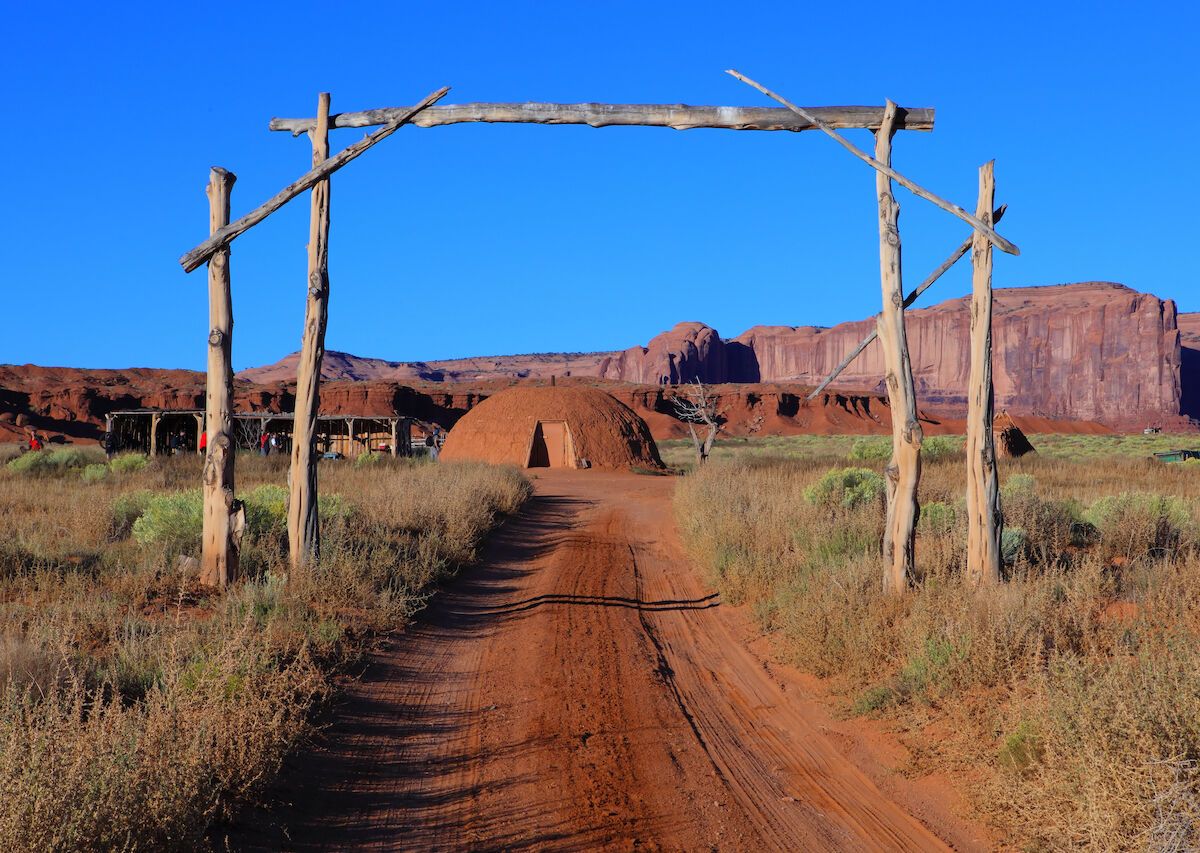
It is also crucial to approach protocols involving sacred lands with extreme care. Many Indigenous communities designate certain areas as special or sacred, restricting access or requiring specific behaviors. Trespassing without permission can harm relationships and sometimes violate legal treaties. When access is granted, following community guidelines regarding conduct is vital to preserve the sanctity of these spaces.
Moreover, photography and recording should never be taken lightly. Explicit permission must be sought before capturing images or sounds, especially in sensitive contexts like ceremonies or when depicting individuals reserved in their public exposure. These practices not only respect cultural and spiritual boundaries but also counter the problematic objectification often experienced by Indigenous peoples in media and tourism.

Community Involvement, Food, and Relationship Building
Community events such as feasts, cultural celebrations, or social gatherings provide rich contexts for visitors to deepen their understanding and express solidarity. Participating respectfully includes following the local etiquette around food offerings—accepting invitations to sample traditional dishes respectfully, understanding serving orders that usually prioritize Elders, and offering help when appropriate.
Maintaining relationships beyond initial visits shows long-term commitment and respect. Expressing gratitude, following up with notes or gestures, and supporting Indigenous-led initiatives are vital actions. These help bridge cultural divides and contribute to sustaining Indigenous heritage in tourism.
Support for Indigenous economies through authentic artisan crafts and tourism services also plays a significant role. Travelers should prioritize Indigenous-owned businesses and certified experiences to ensure their visit fosters equitable benefits. This approach aligns with principles advocated by organizations like the Indigenous Tourism Association of Canada and Planeterra Foundation, who emphasize responsible and ethical engagement in Indigenous tourism.
For more on cultural sensitivity and practical advice for travelers navigating special dietary needs during their visits, references like travel dietary restrictions tips can be invaluable to avoid discomfort and unintended offenses.