
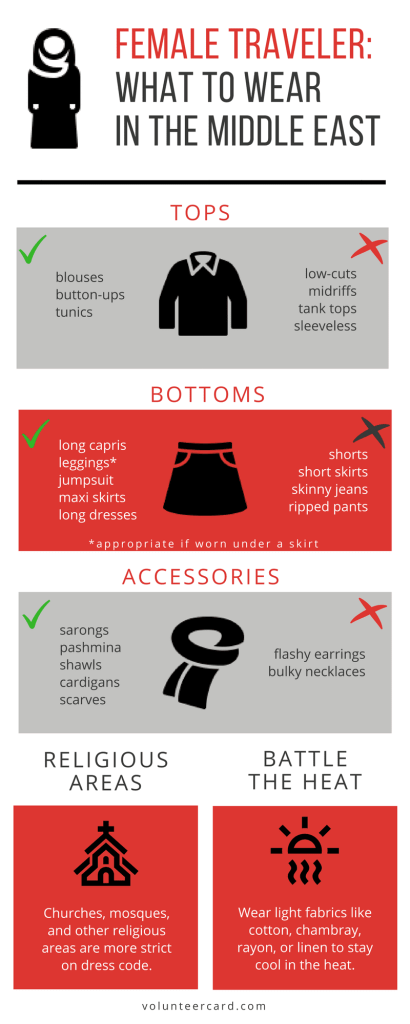
Navigating what to wear in Middle Eastern countries can feel like stepping into a world where tradition and modernity intertwine, crafting a unique cultural tapestry. This region, rich in history and vibrant customs, beckons travelers to embrace an attire that respects its deep-rooted values while providing comfort against its diverse climates. From the bustling streets of Beirut to the serene deserts surrounding Petra, dressing appropriately not only opens doors to authentic experiences but also bridges cultural divides. Emphasizing modesty, layering, and comfort, as well as understanding local expectations, prepares you to encounter the Middle East’s warmth—both in weather and hospitality—with confidence and grace.
En bref:
– Prioritize modest and respectful attire, covering shoulders, knees, and chest to honor local customs.
– Opt for layered clothing made from breathable fabrics like cotton, linen, and rayon to combat varying temperatures.
– Incorporate scarves as versatile accessories useful for sun protection, blending in, and visiting mosques.
– Choose sturdy, supportive footwear for exploration, along with sandals for casual urban walks.
– Adapt your wardrobe according to specific countries such as Jordan, Saudi Arabia, or UAE, where dress codes vary in strictness and style.
Guidelines for Dressing with Respect and Comfort in the Middle East
Travelers to the Middle East quickly learn that dressing conservatively is more than etiquette—it is a gateway to meaningful connections and smooth interactions. It’s common to find dress codes that discourage tight or revealing clothing, urging visitors to cover shoulders, knees, and chests. Such norms reflect the region’s Muslim heritage and signal profound respect towards local traditions. Interestingly, this conservative approach also serves a practical function: covering up shields against intense sunlight and blazing heat, proving a local secret to staying cool even under the harshest sun.
Embracing Modesty Through Thoughtful Wardrobe Choices
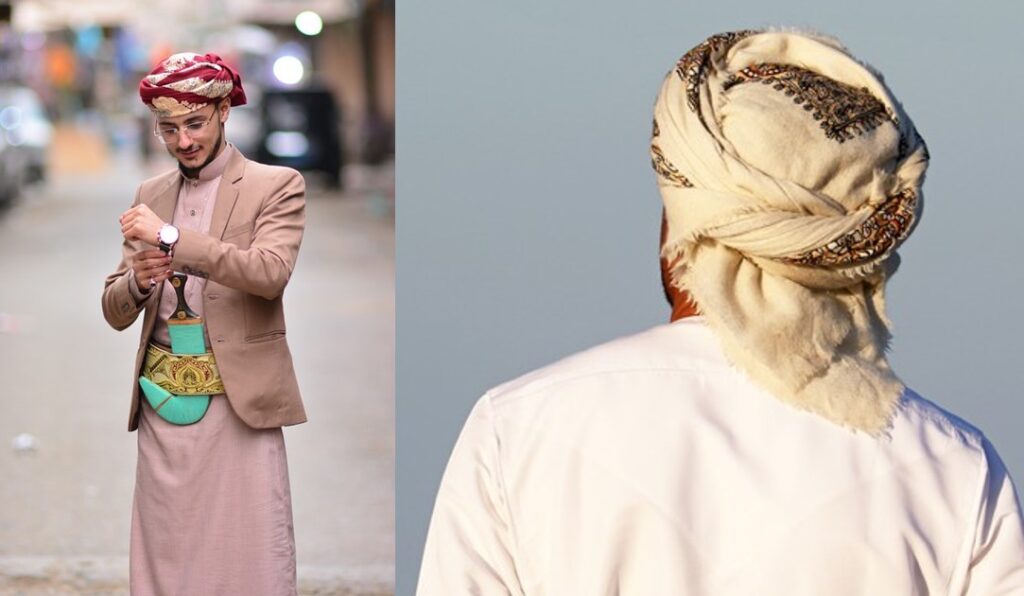
Modest fashion in the Middle East is a vibrant statement of culture intertwined with modern trends. Women opting for long skirts, loose trousers, and flowing tops find themselves seamlessly adapted to the social landscape. Scarves, beyond their protective role, act as cultural touchstones—essential for mosque visits or blending into street life. For men, lightweight long-sleeve shirts and trousers balance tradition and practicality, while head coverings like the keffiyeh or ghutrah shield against sun and sand.
International brands such as Uniqlo and COS have recognized the need for breathable, modest apparel, offering collections that blend functionality with understated style suitable for Middle Eastern climates. Meanwhile, local stores and online platforms like Modanisa provide traditional yet fashionable garments, enabling travelers and residents alike to celebrate heritage with flair.
Layering: The Practical Secret to Handling Diverse Middle Eastern Weather
Weather in the Middle East varies dramatically, from blistering desert days to chilly winter nights. Mastering the art of layering becomes essential. Lightweight fabrics such as the ones found in H&M and Marks & Spencer collections are perfect for this strategy, allowing you to shed or add layers as temperatures fluctuate. This technique also prepares travelers for the air-conditioned interiors common in shopping malls and hotels, which can feel quite cool after the outdoor heat.
Layering serves more than just comfort; it enables cultural adaptability. For example, wearing a modest tunic over pants during Ramadan or slipping a light jacket over traditional clothes during the winter provides both practical and respectful attire aligned with local expectations. Recognizing this fluid dynamic enhances your journey, inviting you to explore both urban landscapes and desert expanses comfortably.

Selecting Footwear That Balances Durability and Elegance
Footwear carries a vital role in your travel wardrobe. Exploring ancient ruins or navigating vibrant souks demands shoes built for support and endurance. Brands like Columbia and The North Face are renowned for their practical, sturdy selections perfect for desert hikes or city walks. For casual days, breathable sandals make a stylish yet convenient choice, especially when frequent shoe removal is customary at religious sites.
Meanwhile, staying away from high heels or tight shoes can prevent discomfort during your culturally immersive and often foot-intensive adventures. Pairing your outfit with the right footwear bridges the gap between functionality and respect, amplifying the pleasure of discovery in the Middle East.