Embarking on a journey to Muslim-majority countries invites travelers into a world rich with heritage, spiritual depth, and social customs that reflect centuries of cultural evolution. Understanding the nuances of Islamic etiquette goes beyond mere politeness; it opens the door to genuine connection and enriches the travel experience by fostering mutual respect and appreciation. In 2025, as global travel expands and platforms like HalalTrip and Muslim Pro guide millions through their spiritual and leisure journeys, embracing respectful cultural practices has become more crucial than ever. Whether admiring the architectural marvels of ancient mosques or sharing a meal during Ramadan, being attuned to Islamic customs ensures that your presence honors local traditions and deepens your personal growth.
When visiting Muslim countries, it is essential to appreciate that etiquette stems not only from religious guidelines but also from deep-rooted cultural sensitivities that vary from one nation to another. Actions as simple as the way you greet, dress, or eat can convey respect or inadvertent offense. Travelers who prepare by learning about local expectations—perhaps through resources similar to what one finds on cultural etiquette in Japan or expert travel advice on travel tips for Paris—find their interactions smoother and more rewarding. Moreover, leveraging apps like Muslim Travel Girl or platforms like CrescentRating can streamline access to halal-friendly accommodations and activities, effectively blending faith with convenience.
The powerful synergy of cultural awareness and spiritual mindfulness creates a travel experience that resonates on multiple levels. From greeting with both hands or using the right hand alone, to observing careful dress codes that honor local modesty standards, each detail contributes to a meaningful dialogue between visitor and host. In regions where language can be a barrier, simple gestures and learning local expressions, as recommended in guides for navigating language barriers, help bridge understanding while demonstrating humility and goodwill.
Mastering Islamic Etiquette for a Respectful Visit to Muslim Countries
Islamic etiquette, often referred to as “adab,” is an intricate blend of spiritual obligation and social grace deeply embedded in daily life and travel. In Muslim-majority countries, travelers who embrace these etiquettes show respect not only for Islam but also for the diverse cultures shaped by it. For instance, starting interactions with greetings such as “As-Salamu Alaykum” and responding appropriately signifies goodwill and opens doors to warm exchanges. Incorporating knowledge from trusted sources like Muslim Pro enriches your cultural competence, helping you navigate mosque visits, Ramadan observances, or even business meetings with confidence and reverence.
Maintaining punctuality may carry different weight depending on context; while professional settings require strict adherence, social occasions tend to be more relaxed. Knowing these subtleties signals cultural literacy and helps avoid misunderstandings. Similar care extends to dress codes—women often opt for modest attire like those offered by Modanisa or Hijab House, while men ensure they avoid overly casual or provocative clothing that may be seen as disrespectful. Such thoughtful preparation showcases a traveler’s commitment to positive engagement.

Proper Conduct and Etiquette in Communal and Religious Spaces
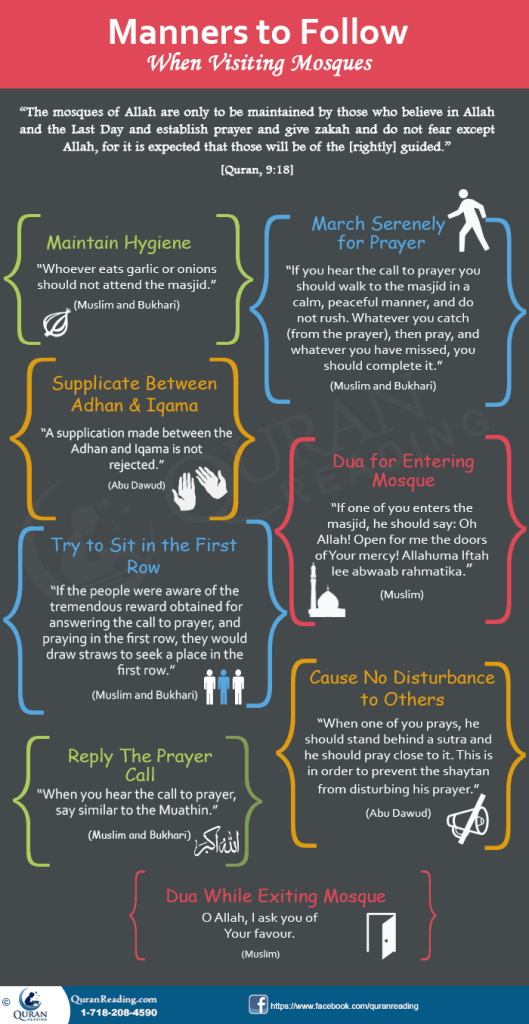
Visiting mosques and religious sites requires mindfulness and adherence to specific protocols. Ritual cleanliness, appropriate attire, and removal of shoes are prerequisites, showing reverence for these sacred spaces. Engaging in travel with platforms like HalalTrip can direct visitors to facilities equipped for Muslim travelers, facilitating access to prayer spaces and halal meals. Additionally, understanding the sensitive nature of gender interactions—such as avoiding unnecessary physical contact and respecting segregated areas—reflects cultural wisdom and Islamic teachings.
In communal settings, offering and accepting hospitality carries its own set of etiquette rules. Hosts often extend multiple invitations and insistence to accept is seen as a gesture of sincerity. Gestures like sharing coffee with dates symbolize warmth and friendship, while phrases like “Mashallah” are commonly uttered to ward off envy and honor compliments. Travelers who engage in these customs express humility and openness, creating bonds that transcend language and culture.
Practical Tips for Ethical Dining and Interaction in Muslim Countries
Dining customs are deeply symbolic, with halal dietary laws and fasting during Ramadan shaping mealtime experiences. Asking politely about halal options or choosing vegetarian dishes when uncertain not only respects dietary requirements but also showcases cultural sensitivity. Saying “Bismillah” (in the name of Allah) before eating and “Alhamdulillah” (praise be to Allah) afterwards aligns with Islamic tradition while fostering a spiritual connection during shared meals.
Social decorum often emphasizes communal harmony; avoiding discussions on contentious topics like religion or politics, especially with strangers, preserves peaceful interactions. Financial dealings should embody honesty and fairness, while tipping, though appreciated, is not obligatory if charges are included. Being mindful of such nuances complements the traveler’s role as a respectful guest.
Handling Cultural Challenges with Grace and Adaptability
Language diversity and regional customs can initially feel daunting. However, learning key expressions, polite gestures, and engaging local Muslim communities through mosques or cultural centers bolsters confidence and enriches the travel narrative. Challenges like locating prayer spaces or halal food are increasingly mitigated by digital tools such as Muslim Pro or Zabihah, whose updated databases guide travelers to suitable options even off the beaten path.
Engagement with local artisans and purchase of souvenirs that uphold Islamic values support sustainable tourism and help forge meaningful cultural exchange. Avoiding items like alcohol-based products or those depicting imagery contrary to Islamic teachings exemplifies respect and thoughtfulness. Embracing this ethos transforms potential obstacles into opportunities for intercultural dialogue and personal growth.
By mastering these cultural and religious etiquettes, travelers unlock a profound appreciation for diverse Muslim societies and embody a spirit of respectful exploration. The harmonious blend of preparation, humility, and genuine curiosity enriches visits, whether in Saudi Arabia’s majestic majlises or the bustling streets of Morocco—destinations highlighted for their unique dynamics in guides about stress-free Morocco trips. This conscious approach, embraced by modern Muslim globetrotters and facilitators like DinarStandard and The Muslim Vibe, defines a new era of mindful travel rooted in faith and cultural respect.