
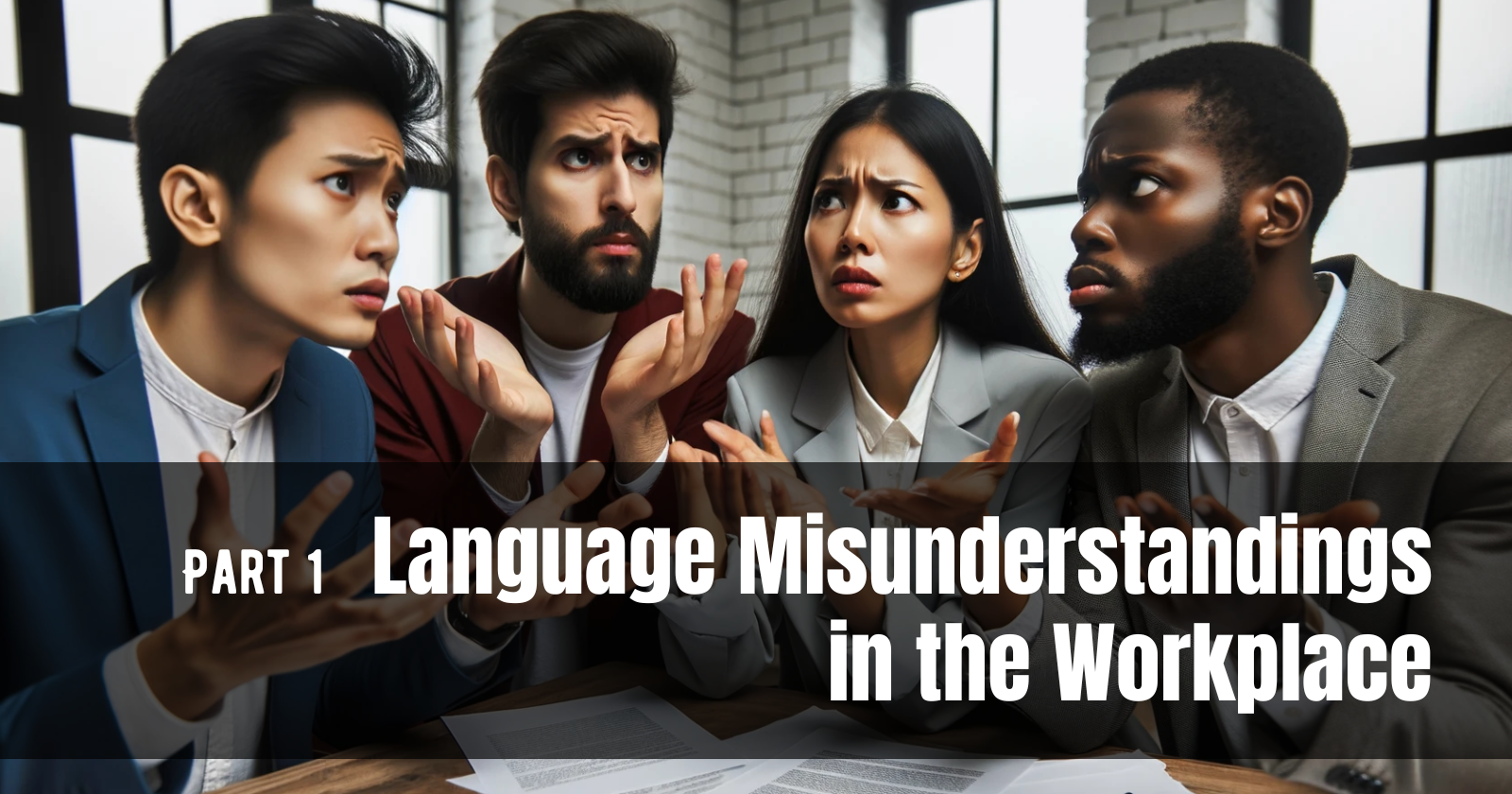
Language misunderstandings are inevitable when we step into conversations that cross cultural and linguistic boundaries. In 2025, thanks to platforms like Rosetta Stone and Duolingo, language learning has become more accessible, yet the nuances hidden within every dialogue continue to challenge even the most proficient speakers. Miscommunications stem from differences in cultural norms, assumptions, and sometimes just a lack of clarity in expression. Recognizing these factors is the first step toward turning a potentially tense moment into an opportunity for deeper connection.
In essence, mastering the art of handling language misunderstandings relies on a blend of empathy, patience, and strategic communication tools. Whether you’re using apps like Google Translate or seeking real-time conversations through HelloTalk and Tandem, the approach remains grounded in active listening, flexibility, and respect. Understanding how to assess a situation calmly, adapt your style accordingly, and, when needed, engage linguistic experts or mediators can pave the way to resolving conflicts gracefully and fostering meaningful exchanges.
Effective Approaches to Assess and Understand Language Conflicts
In the dynamic environment of intercultural communication, the first crucial step to resolving misunderstandings is to accurately assess the situation. Ask yourself if the conflict arises from cultural differences, language clarity issues, or possibly from misconstrued expectations. Such reflections help set the tone for resolution—whether diplomatic or practical. For instance, knowing if a disagreement is personal or professional guides how formally or informally you should engage the other party. This deliberate assessment mirrors advice found in comprehensive guides on navigating language barriers, illustrating that clarity in perception leads to clarity in conversation.

The Transformative Power of Active Listening in Bridging Language Gaps
Active listening stands at the heart of resolving language conflicts. By truly focusing on the speaker and demonstrating respect and empathy, you foster an environment where misunderstandings can be gently cleared. Techniques such as paraphrasing the other’s message or summarizing key points help confirm mutual understanding. Even digital tools like Babbel or Memrise emphasize practicing conversations that cultivate these skills. Consider the case of a multinational company in 2025 implementing Lingoda’s interactive lessons to train its staff, resulting in a notable decrease in miscommunication incidents. The impact of such listening extends beyond words — it builds trust and uncovers common ground essential for collaboration.
Adaptability and Flexibility: Keys to Navigating Language Conflicts
Language conflicts often arise from rigidity or defensiveness in communication. In contrast, embracing adaptability allows you to transform challenges into enriching cultural exchanges. Being open to compromise, accepting diverse viewpoints, and demonstrating curiosity invite constructive conversations. For example, users of Reverso and Busuu frequently share stories of how flexible approaches enabled smoother interactions despite initial language hiccups. This adaptive mindset not only eases tension but also strengthens relationships by showing genuine respect for different cultural etiquettes, an approach supported by thoughtful resources on cultural etiquette in Muslim countries and beyond.
Communicating with Precision: The Role of Clear Language
At the root of many misunderstandings is ambiguous language. Using simple, positive, and unambiguous terms helps avoid confusion. Avoiding jargon or idiomatic expressions unfamiliar to the listener is particularly important when communicating across languages. Platforms such as Google Translate can be helpful, yet relying on clear, empathetic speech remains irreplaceable. For travelers or professionals using key Spanish phrases or engaging with diverse audiences, incorporating clear language according to context improves understanding and expresses enthusiasm effectively. This clarity fosters inclusivity and demonstrates thoughtfulness in every exchange.
Knowing When to Seek Support: The Value of Expert Assistance
Despite individual efforts, some language conflicts require external support. Engaging mediators, language experts, or supervisors reflects a commitment to effective communication rather than weakness. Tools like HelloTalk and Tandem facilitate connecting with native speakers or language mentors who can guide resolution. In work environments, involving trusted colleagues or professional translators can ease tensions and guide clearer dialogue. Embracing assistance enhances learning and paves the way for future success in multilingual interactions, echoing the collective wisdom shared by communities dedicated to overcoming language barriers.
Effective handling of language misunderstandings involves continuous learning, patience, and the right mix of technology and human connection. Resources like Rosetta Stone and Babbel offer structured learning paths, while communication platforms provide real conversation practice. Together, these tools empower individuals to not only avoid conflicts but also turn each linguistic challenge into an inspiring journey of cultural appreciation and personal growth.
Navigating language barriers equips every communicator with skills to transform potential conflicts into opportunities. Meanwhile, understanding key phrases for travelers or respecting cultural etiquette in Muslim countries further sharpens contextual awareness, ensuring that each conversation is a step toward mutual respect and clearer understanding.