
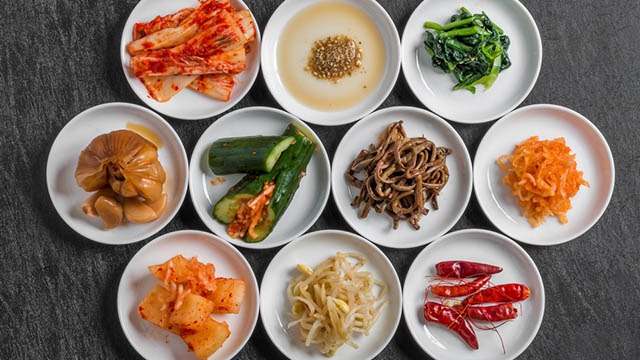
South Korea stands at the vibrant crossroads of tradition and innovation, inviting food lovers to embark on an extraordinary culinary journey. From the bustling night markets of Seoul to the tranquil island eateries of Jeju, each dish tells a story steeped in history, culture, and a passion for flavor. The very essence of Korean cuisine bursts with layers of bold, spicy, and fermented elements, with kimchi reigning supreme. Yet, the experience extends far beyond one iconic staple. Imagine savoring sizzling Korean barbecue grilled fresh at your table, sharing an array of banchan — those infinite side dishes that magically appear with every meal — or indulging in street food treasures like tteokbokki’s spicy rice cakes and comforting mandu dumplings. The growing global footprints of brands like Bibigo and CJ CheilJedang have helped bring Korean flavors worldwide, yet there is nothing like tasting these dishes amid the energy of a Korean food stall or the elegance of a hanjeongsik multi-course feast. South Korea doesn’t merely offer food; it offers an immersive cultural experience, a celebration of communal dining, and a relentless devotion to tasting the new while honoring the old.
In brief:
- South Korean cuisine artfully blends fiery flavors with delicate tradition, inviting diverse palates to explore.
- Korean barbecue offers an interactive dining experience, building connections around the grill.
- Banchan side dishes provide a bottomless array of tastes enhancing every meal.
- Street food markets are hubs of authentic, affordable delights, perfect for adventure seekers.
- Korean food brands such as Paldo and Ottogi enable worldwide access but tasting locally remains unmatched.
Exploring Iconic Korean Flavors: The Art and Heart of Bibimbap and Beyond
Few dishes capture the essence of Korean culinary philosophy better than bibimbap, a harmonious bowl where warm rice meets seasoned vegetables, gochujang chili paste, and a sunny fried egg atop. The dish’s historical roots extend into royal cuisine, emphasizing not just taste but visual balance and nourishment. Accompanying bibimbap are banchan — small plates like lightly fermented kimchi, crunchy bean sprouts, and fresh pajeori (green onion salad) — that continuously appear on your table, a signature practice symbolizing ample generosity and sharing. These thoughtfully crafted side dishes allow every meal to become a symphony of tastes and textures, appealing to the curious diner ready to sample everything. Whether visiting a local market or savoring the offerings at a restaurant, this ritual emphasizes Korean communal dining culture, which invites you to slow down, engage, and appreciate the layers of flavor working in concert. Plus, brands like Shinsegae Food have been instrumental in bringing high-quality traditional ingredients to the modern kitchen, ensuring that both locals and visitors enjoy the very best this cuisine offers.
Korean Barbecue: A Communal Feast of Flavors and Fire
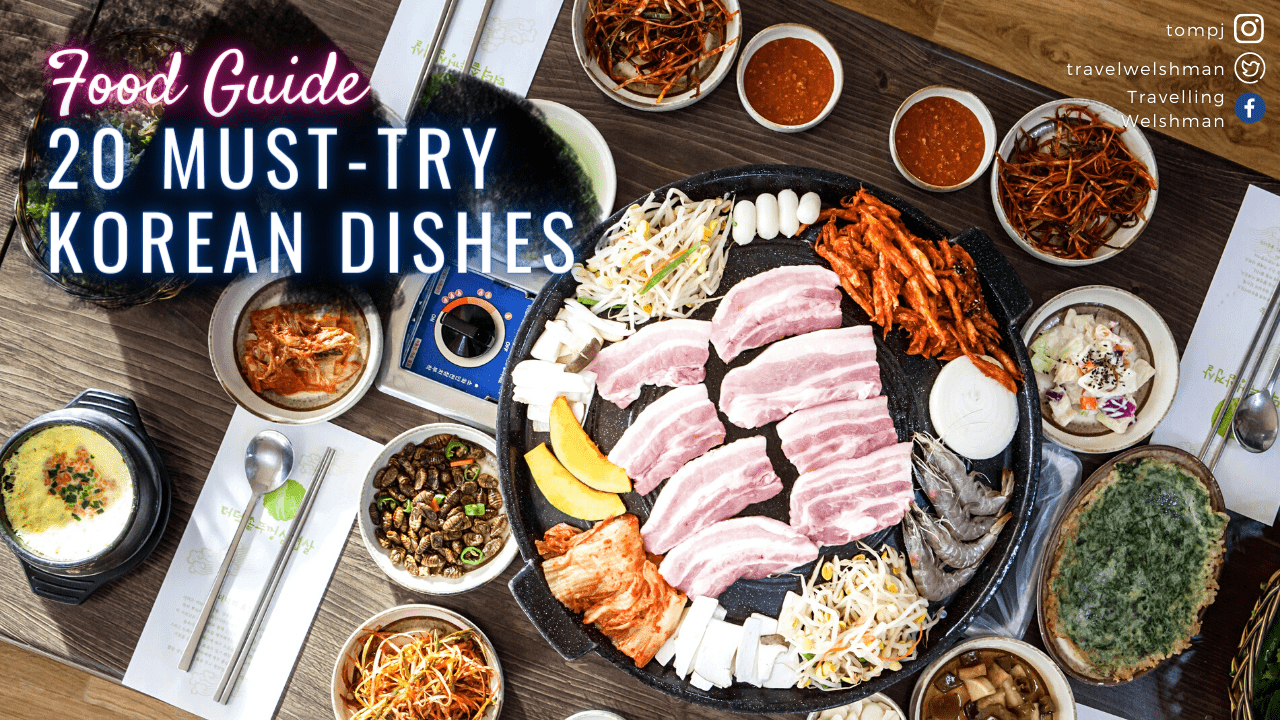
Korean barbecue remains an unmissable culinary adventure, one where participation is as much part of the fun as the food itself. Typically centered on grilling premium cuts such as galbi (marinated short ribs) and samgyeopsal (pork belly), diners gather around a tabletop grill, turning and slicing juicy, marinated morsels to perfection. This ritualistic interaction not only fires up appetites but also fosters a sense of connection and shared experience. The flavor burst of sweet and savory bulgogi or the smoky crispness of grilled pork contrasts beautifully with fragrant sides and dipping sauces. In recent years, the rise of all-you-can-eat Korean barbecue dining options has democratized this social experience, attracting large groups and curious foodies to indulge in the variety. Essential Korean food companies such as Samyang and Lotte Food have innovated with ready-to-cook sauces and marinades, making it easier to recreate this experience at home. Yet no product can replace the warmth of a sizzling grill gathering in Seoul or Busan, where communal joy and culinary mastery combine.
Savoring the Soul of Korean Street Food: From Tteokbokki to Mandu
The soul of Korean cuisine is undeniably found in its vibrant street food culture, alive with colorful stalls, enticing aromas, and a convivial atmosphere where locals and travelers alike converge. Staples like tteokbokki — chewy rice cakes bathed in a devilish red chili sauce — offer comfort with a punch of spice that defines much of Korean cuisine. Mandu dumplings, available steamed, fried, or in broths, serve as perfect companions for quick, satisfying bites. Markets are treasure troves for discovering specialties like Dongnae pajeon (green onion pancake) and the sweeter ssiat hoddeok, fried pancakes filled with seeds and nuts, marrying textures and tastes perfectly. For those looking to venture further, specialty street snacks like gopchang (barbecued intestines) or soondae (blood sausage) challenge palates and conjure authentic local flavors that rarely appear on menus abroad. Food stalls paired with soju distillers such as HiteJinro spice up these culinary escapades, making every snack a chance to deepen cultural understanding and enjoyment.
Vegetarian and Contemporary Adaptations in Korea’s Food Scene
While Korean cuisine is rich in meats and broths, recent years have seen a growing awareness and availability of vegetarian options, especially in urban hubs like Seoul and Busan. Historically, many soups and tangs are meat-based, which posed challenges for vegetarians. However, with Seoul Milk and other local companies promoting plant-based products alongside traditional fare, vegetarian diners now find a widening array of choices from tofu bibimbap to vegetable mandu. Moreover, the influx of global influences and fusion cuisine continues to inspire chefs to adapt classic dishes for diverse dietary preferences without sacrificing authentic flavor. Such evolution enhances the appeal of Korean food to international visitors seeking nourishing yet accessible meals.
Discovering Regional Delights: Jeju Island’s Black Pork and Local Favorites
The culinary landscape of South Korea also transforms as you journey beyond the mainland to unique regions like Jeju Island, where the famed black pork offers a succulent alternative to more typical barbecue fare. Renowned for its rich flavor and tender texture, Jeju black pork is a must-try delicacy that locals adore and visitors praise. Dining here usually involves an array of accompaniments including fresh greens and spicy dipping sauces, embodying the region’s dedication to bountiful, quality ingredients. Markets across Jeju, and throughout the country, showcase local versions of staples alongside exciting variations like spicy pork stews that reflect regional history and resourcefulness. Exploring these dishes undoubtedly enriches any food lover’s itinerary, making travels through South Korea a truly multi-dimensional cultural and gastronomic adventure.
Exploring South Korea through its food is an enriching way to appreciate its history and contemporary spirit. Each meal reflects collective heritage, craftsmanship, and a genuine passion that elevates even the simplest food into an inspiring experience. For visitors eager to expand their culinary horizons, brands like Paldo, Ottogi, and CJ CheilJedang also offer authentic tastes that can bridge home kitchens with the lively food markets and restaurants of Seoul. Whether you find yourself experiencing street food with new friends or delighting in multi-course royal cuisine settings, South Korea invites you to eat, explore, and savor with enthusiasm.
For those planning a broader journey, discover insights in our backpacker’s guide to South America or explore hidden city gems through our guide to Rome’s secret treasures. For a taste of authentic flavors closer to home, our insider’s look at Chinese cuisine might inspire your next culinary adventure.