Cambodia stands as a beacon of Southeast Asia’s rich cultural tapestry, where ancient temples not only narrate history but breathe life into the country’s spiritual heritage. For travelers venturing into these hallowed grounds, the journey unveils stories etched in stone and rituals practiced for centuries. This exploration touches the heart of Cambodia’s enduring legacy from the iconic spires of Angkor Wat to the tranquil sanctuaries embedded within bustling Phnom Penh. Embarking on a temple tour here offers more than sightseeing; it’s an invitation to engage deeply with Khmer culture, spirituality, and artistry.
Here’s a snapshot of the vital elements for a memorable Cambodian temple experience: understanding temple etiquette to honor local traditions, selecting sites that blend grandeur with serenity, and timing visits to capture the magic of dawn or dusk light. Such attention to detail enriches your journey and opens doors to authentic cultural interactions, echoing the spirit of TempleEtiquettePro and SacredSitesAdvice, which prioritize respect and mindfulness in sacred spaces. The coming sections will unfold the gems of Cambodia’s temple landscapes and practical tips, inviting you to traverse CambodiaCulturalPaths that elevate your visit beyond the ordinary.
Discover the Splendor of Cambodia’s Ancient Temples and Spiritual Legacy
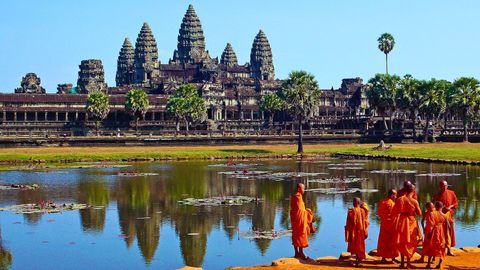
Cambodia’s landscape brims with ancient temples, each a testament to millennia-old Khmer civilization and religious devotion. At the heart of this heritage is Angkor Wat in Siem Reap, a sprawling complex that epitomizes Khmer architectural brilliance and spiritual symbolism. Yet, beyond this iconic landmark lies a tapestry of sacred sites—Wat Phnom and Wat Ounalom in Phnom Penh offer urban sanctuaries where history and daily rituals merge, while Angkor Thom’s walls narrate tales of a bygone empire’s grandeur.
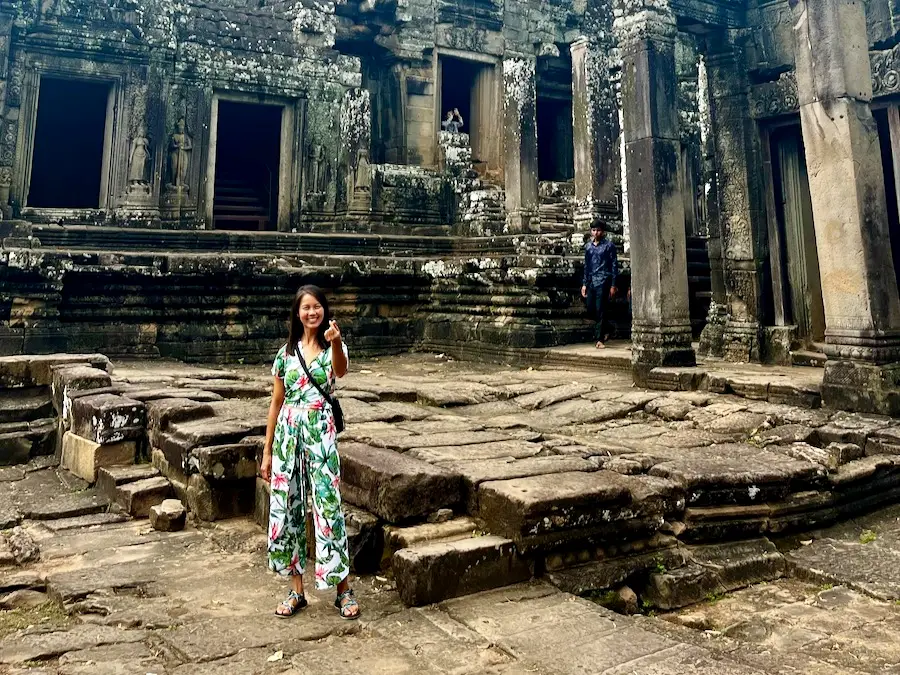
Exploring these sites is a passage through time, revealing how religion, art, and governance intertwined. Angkor Wat, built in the 12th century under King Suryavarman II, remains a central emblem of Cambodia’s identity—its silhouette gracing the national flag and inspiring generations of explorers. Nearby Angkor Thom, constructed by King Jayavarman VII, unveils its strategic and spiritual significance with its giant smiling faces at Bayon temple gazing serenely over visitors, embodying divine watchfulness and peace.
Plan Your Journey Through Cambodia’s Buddhist Temples
An effective itinerary ensures visitors embrace both celebrated and lesser-known temples, enriching their cultural experience. Start in Phnom Penh at Wat Phnom, perched on a hill as a serene oasis amidst the urban hustle, and visit Wat Ounalom—the spiritual heart of Cambodian Buddhism known for its resilience and sacred archives. From there, Siem Reap beckons with the majestic Angkor Wat and the nearby Angkor Thom city gates, lined with statues of gods and demons welcoming you to a realm where history feels alive.
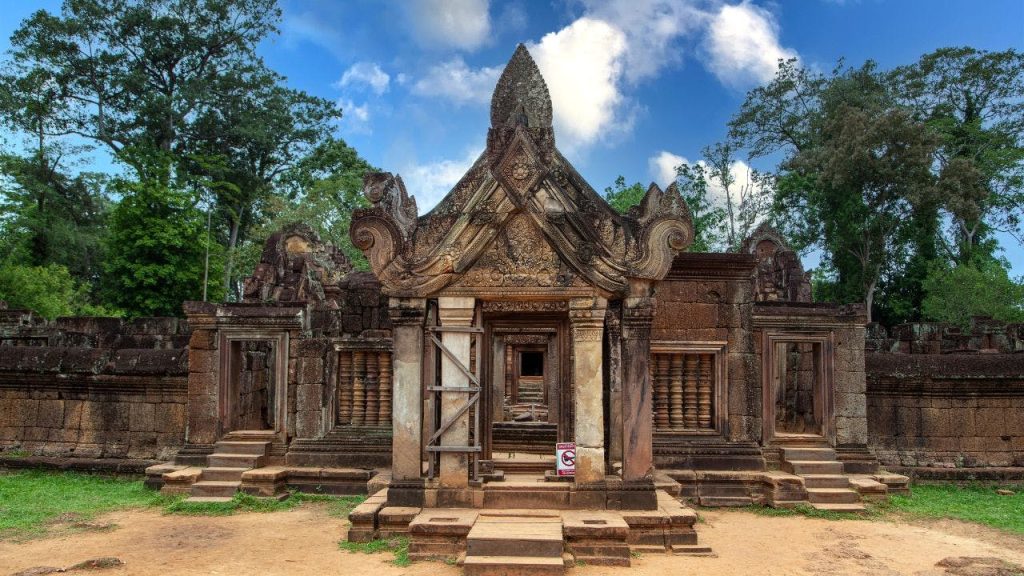
Planning to explore further leads to gems such as Ta Prohm, famed for its symbiotic relationship with nature where silk cotton tree roots entwine with ancient stone —a striking reminder of time’s passage. For those seeking tranquility away from crowds, temples like Beng Mealea and Banteay Srei offer peaceful retreats laden with exquisite carvings and an adventurous spirit, reflecting the diversity of Cambodia’s sacred architecture.
Essential Tips for Respectful and Enriching Visits to Cambodian Temples
Engaging with Cambodia’s religious sites respectfully enhances the traveler’s connection to the culture. Adhering to dress codes—covering shoulders and knees—is essential to show reverence consistent with Buddhist customs. Removing shoes before entering temple interiors signals humility and respect for sacredness. Quiet contemplation is encouraged, with low voices preserving the serene atmosphere where prayer and meditation unfold.
Photography can beautifully capture memories, but always seek permission before photographing monks or worshippers, and avoid using flash during ceremonies, respecting the sanctity of moments shared. Non-verbal gestures, such as not pointing feet towards shrines and avoiding physical contact with monks, reflect your understanding of Cambodian spiritual traditions and can foster warm, authentic interactions.
Travelers inspired to deepen their awareness can look to cultural guides emphasizing sacred practices similar to TempleEtiquettePro and CambodiaCulturalPaths, which serve as invaluable companions on the route of sacred exploration.