

Embarking on a visit to a Buddhist temple offers more than a glimpse into beautiful architecture; it invites a profound journey into centuries-old traditions rooted in respect, reverence, and mindfulness. Across the globe, Buddhist temples embrace diverse cultural nuances ranging from the Theravada serenity witnessed in Southeast Asia to the intricate Vajrayana rituals of Tibet. As we navigate this sacred space in 2025, understanding and honoring the unspoken rules of conduct ensures not only a respectful experience but also a deeper connection with the essence of Buddhist teachings.
Visitors often arrive with curiosity and reverence but may not always be aware of the subtle yet significant cultural expectations such as the necessity of modest dress, the importance of silence, and the appropriate gestures like bowing. These practices are not mere formalities; they embody the core Buddhist values of humility, generosity, and mindfulness. Whether stepping into a tranquil meditation hall, participating in a teaching, or simply observing the serene environment, being mindful of these etiquettes transforms your visit into a meaningful encounter that honors the legacy and sanctity of Buddhist traditions.
Mastering Respectful Conduct and Reverence within Buddhist Temples
When you enter a Buddhist temple, respect forms the foundation of every interaction. This manifests in various ways, from the mandatory “shoes off” policy to maintain purity within sacred precincts, to the silence that fosters meditation and contemplation. The reverence shown through bowing and the thoughtful approach to photography rules exemplify a humble acknowledgment of the temple’s spiritual significance.
The greeting of monks and nuns, collectively known as the Sangha, invites a mindful approach where gestures such as the “lotus hands” prayer position combined with a slight bow convey respect and acknowledgement of their spiritual dedication. Understanding these rituals is vital, as the Sangha adheres to strict precepts that govern their daily lives, reflecting an unwavering commitment to discipline and ethical conduct.
Observing Modesty and Dress Code with Mindful Presence
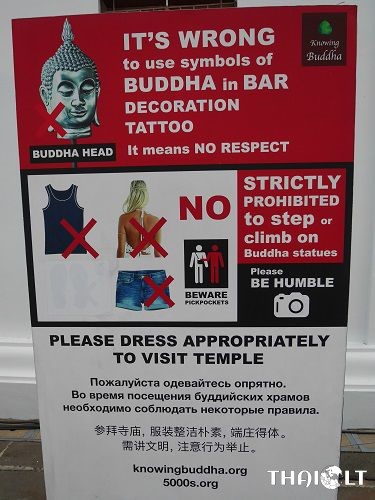
Modesty in attire is essential when visiting Buddhist temples. Both men and women are expected to dress in clean, tidy, and conservative clothing that covers the knees and shoulders, avoiding shorts, mini-skirts, or revealing garments. This dress code is a visual expression of the respect owed to the sacred environment and the people within it. It invites visitors to embody mindfulness in both appearance and demeanor.
For many visitors, understanding dress expectations can be a gateway to appreciating the cultural depth of the temple. In Thailand, for instance, the dress code extends beyond mere coverage: it supports the ambiance of reflective silence and humility prevalent in Thai temples—a consideration equally significant when visiting ancient temples in Cambodia, where tradition and spirituality intertwine seamlessly with national culture.
Practicing Silence and Mindful Communication for Deeper Connection
Silence is a powerful element in Buddhist temples, embodying an environment conducive to meditation and introspection. Visitors are encouraged to lower their voices, refrain from inappropriate conversations, and switch off electronic devices to maintain an atmosphere of tranquility. This mindful silence not only honors the monks’ practices but invites personal reflection and a genuine immersion into the temple’s spiritual energy.
Engaging in mindful communication also involves body language and proximity. For example, it is customary to avoid touching monks or nuns, respecting their celibate and contemplative lifestyle. Such boundaries safeguard the sanctity of interactions and underscore the deep respect inherent in Buddhist teachings. Where doubt arises, observers should embrace humility and simply ask for guidance, enhancing mutual respect among all temple attendees.
Understanding Generosity through Donations and Offerings
Generosity is a cornerstone of Buddhist practice, beautifully expressed through offerings to the temple or monks. Visitors often bring gifts such as flowers, fruit, or incense as symbolic gestures of respect and devotion. Monetary donations, ideally placed in envelopes and handed to a lay attendant, support the temple’s upkeep and its charitable activities.
This act of giving transcends mere charity; it exemplifies the Buddhist virtue of Dana, which fosters a cycle of goodwill and spiritual merit. Knowing the appropriate time and manner to make offerings enriches the visitor’s experience, transforming it into an opportunity to partake in the sacred rhythm of temple life, linking the ancient with the present.
Embodying Proper Behavior in Meditation and Teaching Settings
Attending a meditation session or teaching in a Buddhist temple entails a set of practices designed to cultivate mindfulness and harmony. Arriving early respects others’ meditative preparation, while remaining seated during the monks’ entrance signifies honor and attentiveness. Should one need to exit, the custom of backing away from the Buddha statue without turning the back directly to it illustrates deep reverence.
In these settings, visitors should avoid disruptive behaviors like leaving early or engaging in distractions. The awareness that Buddhist texts and sacred objects are handled with care, never placed on the floor or stepped over, reinforces a culture of respect that permeates all temple activities. Such mindfulness honors not only the temple’s physical space but also its spiritual essence, making every visit a step toward inner peace and cultural appreciation.
Navigating Gender Sensitivities and Appropriate Interactions
Gender distinctions in interactions with monastics hold profound importance in many Buddhist traditions. For instance, physical contact such as handshakes or hugs between men and Buddhist nuns, or women and Buddhist monks, is generally discouraged to maintain boundaries aligned with monastics’ celibate and disciplined lifestyles.
Understanding these gender-based etiquettes avoids potential discomfort and respects the spiritual vows upheld by the Sangha. When offering or receiving items, using both hands or the right hand alone is considered proper etiquette, underlining the ceremonious nature of exchanges within temple grounds. These nuances affirm the temple as a space where cultural sensitivity and spiritual devotion coexist harmoniously.
For travelers fascinated by the intersection of spirituality and cultural immersion, exploring the cultural etiquette in Japan further broadens understanding of sacred site visits, highlighting shared threads of respect and mindfulness across traditions. Embracing these guidelines not only enriches your journey but fosters meaningful connections with the sacred landscapes and communities you encounter.